Auburn is inviting volunteers to plant trees at Lincoln Playground on Oct. 31 as the city works to replace lost canopy and address dangerous trees.
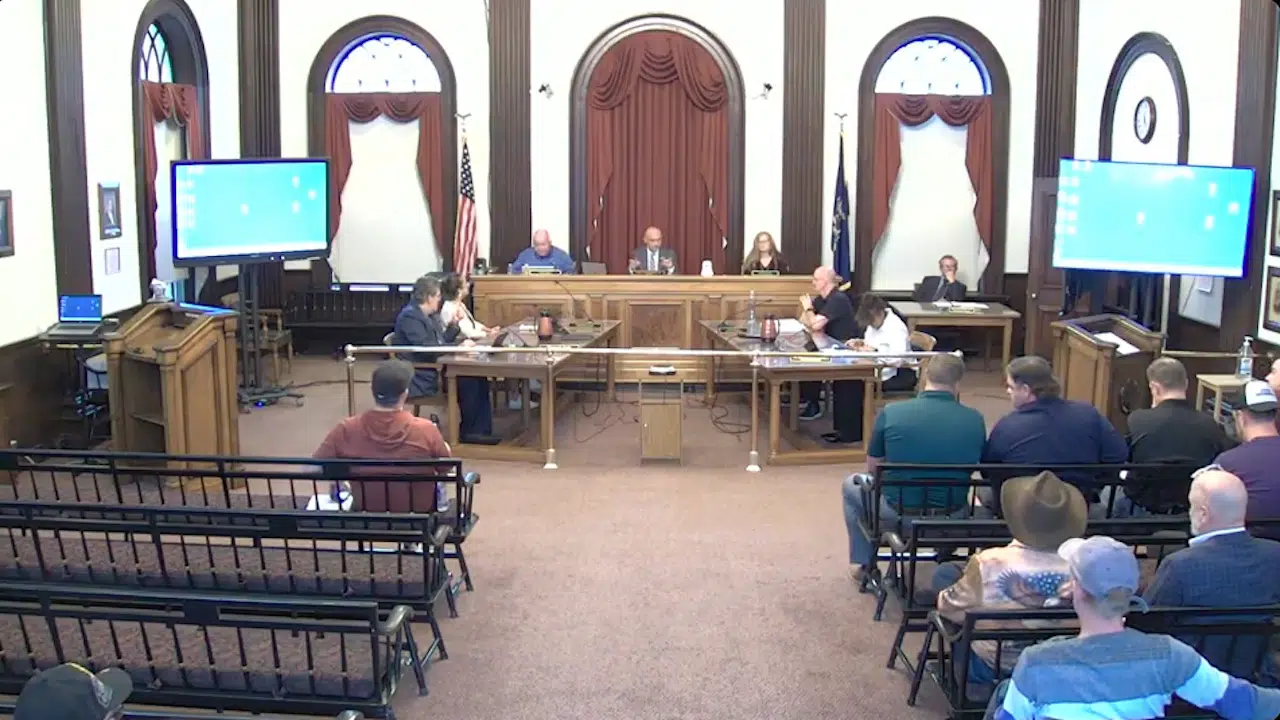
City arborist Rich Seamans outlined the fall planting during Thursday’s City Council meeting. Volunteers should arrive at 8 a.m. and bring rakes, shovels and gloves if they have them.
Seamans said he hopes to add trees around the playground walkway, where removals over the years have left the area increasingly bare.
He reported purchasing 80 trees through the city’s grant program for 2026. His presentation identified support from the state Department of Environmental Conservation and federal urban and community forestry funding involving the Trust for Public Land and the city.
Recent plantings show improving survival

Seamans reviewed several years of planting records, describing both the number of trees added and losses after planting.
The city planted 130 trees in 2022, with 12 lost. Seamans attributed those losses largely to heat and drought during the following summer.
In 2023, Auburn planted 80 trees and lost four, a 95% survival rate. The 2024 planting added 100 trees, with six lost.
Last year, the city planted 150 trees and lost four, for a reported survival rate of about 97.3%. Of those trees, 50 were purchased through the Department of Public Works and 100 through the grant program.
Seamans said survival information for the 2026 trees was not yet available.
Last year’s volunteer planting took place at Casey Park and drew participation from Girl Scouts, community groups and other residents.
Grant boundaries limit where money can be used
Seamans showed council a map of areas eligible for grant-supported planting and said the funding requires the city to concentrate work within those boundaries.

The restrictions have already affected discussions about other parks.
FingerLakes1 previously reported that officials could not use the federal forestry grant for work at Hoopes Park because it falls outside the eligible census areas. At the September meeting, staff said they would look for other funding and evaluate dangerous trees for work through normal city operations.
Thursday’s presentation also showed areas where canopy loss has left more pavement exposed.
Seamans identified heavily paved commercial areas as a challenge because there is less room for planting. He pointed to an Orchard Street area as one example.
City links planting with shade and tree safety
Seamans described shade as one reason to rebuild Auburn’s canopy, saying trees can help cool streets and homes. He also discussed their role in absorbing water and improving environmental conditions.
To show how small plantings can develop over time, he displayed earlier and recent photographs of two red maples planted by volunteers. The newer images showed the trees extending shade over the street.
City Manager Jenny Haines said the arborist’s responsibilities extend beyond planting. She identified trees as one of the city’s largest sources of claims and praised work to address dangerous trees and prioritize removals.
Mayor James Giannettino also thanked Seamans for the presentation and his work since returning to the position.
Council adopted no new tree funding resolution Thursday. The next public planting opportunity is scheduled for Oct. 31 at Lincoln Playground.

FingerLakes1.com is the region’s leading all-digital news publication. The company was founded in 1998 and has been keeping residents informed for more than two decades. Have a lead? Send it to news@fingerlakes1.com.