Auburn officials are exploring whether to give the public more access to property records and introduce ratings for rental properties and landlords as residents press for stronger oversight of unsafe housing.
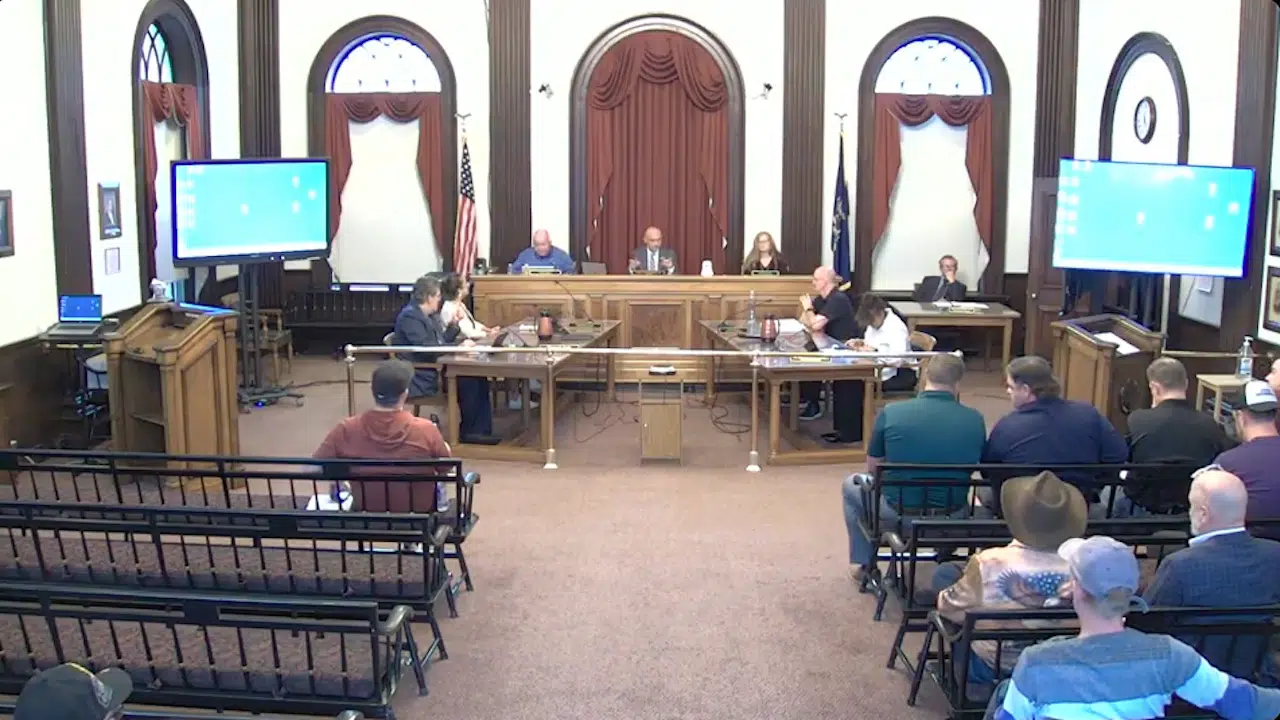
The discussion at Thursday’s City Council meeting connected complaints about rental conditions and code enforcement with a demonstration of Building Blocks, an existing city website that brings together property ownership information and records from several municipal departments.
Senior Planner Tiffany Beebe said Auburn could explore offering rental-property and property-manager ratings similar to those available in Rochester without an additional charge to the city’s current software subscription.
Council members did not approve a ratings system or new rental regulations. But Councilor Craig Diego said the demonstration showed the potential to provide information residents have been requesting.
“Being able to go on there and you’re going to rent a property or look at a property, and you can see there’s 15 code violations. The police have been there 10 times. That’s what the people are asking for,” Diego said.
Residents seek stronger rental oversight

James Udall, an Auburn landlord and resident of Osborne Street, urged the city to address what he described as gaps in rental oversight, including the absence of a rental registry, incomplete electronic records and insufficient inspection staffing.
“Too many Auburnians are living in substandard, hazardous, and unhealthy rental properties with little or no value for money,” Udall said.
He questioned the exemption of single-family rentals from certificate-of-occupancy inspections and argued that the city needs a better way to identify rental properties and track their compliance.
Udall also warned that tenants may hesitate to report unsafe conditions because a condemnation could force them to leave their homes.
In a written statement supporting his remarks, he called for a formal rental registry, completion of the digitization of code enforcement files and restrictions on problem landlords’ ability to manage properties.
Other speakers offered different assessments of the city’s enforcement efforts.
Landlord Brett Tracy said staffing and hiring difficulties complicate inspections and proposed monthly public workshops where landlords, residents and city officials could work through housing problems together.
“Even the bad landlords I think should be steered towards compliance by learning together in this type of a meeting,” Tracy said.
Several speakers expressed interest in participating in a proposed housing committee. The discussion reflected both frustration with rental conditions and interest in creating a continuing forum to develop solutions.
Existing website could offer more information
City Manager Jenny Haines said Building Blocks already combines information on more than 9,000 Auburn properties in a public, map-based website. Available records include information from police, fire, code enforcement, tax and assessment systems.

Corporation Counsel Nate Garland demonstrated the difference between the public website and the more extensive tools available to city staff.
The internal version allows additional filtering and analysis, including searches involving vacant properties, ownership connections and other property characteristics. Garland described expanding public access as a policy question for the council.
Beebe pointed to Rochester’s use of the software as one possible model. Rochester provides renter tools and ratings for rental properties and property managers, she said.
She plans to contact Rochester officials to learn how the ratings are calculated, what challenges arose when the tools became public and whether Auburn already collects the necessary information.
Some of Rochester’s information comes from its rental registry, Beebe said. Auburn would need to determine whether its existing code enforcement records provide comparable data.
The city could also choose a narrower approach, such as allowing additional public searches or identifying properties that use substantial code enforcement, police or fire resources.
Beebe recommended explaining the available data fields so residents understand what they are viewing.
Officials also cautioned that information needs to be checked for accuracy and timeliness. Haines said tax records in the city’s older software require manual updates to Building Blocks. A replacement tax system is expected to make more frequent updates possible.
Housing studies and other initiatives continue
Mayor Jimmy Giannettino said the city should do more to explain housing work already underway, including rehabilitation programs, changes to the sale of tax-foreclosed properties and efforts to return vacant properties to productive use.
The city now reviews prospective buyers’ code violations and outstanding taxes when considering sales of surplus properties, he said.
Giannettino also said Auburn had discussed a rental registry before the COVID-19 pandemic. More recently, officials have considered coordinating with the county’s lead-related rental registry work to avoid duplicating efforts.
Beebe said the city is working with the Cayuga County Health Department toward connecting lead inspection information with its property database.
Meanwhile, Auburn and Cayuga County are conducting housing market studies. Haines said staff had received training for exterior condition surveys of residential properties in Auburn and the county’s nine villages.
Giannettino said those studies could help guide future decisions on housing oversight.
“There is a lot of work going on,” he said, “and I do think we just need to continuously talk about it.”
Haines said the planning director would provide more details on the city’s housing initiatives at an upcoming council meeting.

FingerLakes1.com is the region’s leading all-digital news publication. The company was founded in 1998 and has been keeping residents informed for more than two decades. Have a lead? Send it to news@fingerlakes1.com.