Currier Plastics has become Alentra, bringing a new name to an Auburn-headquartered manufacturer that has expanded from making plastic components into designing, developing and assembling products for health care and life sciences companies.
The rebranding announced Thursday unites Currier with three acquired businesses: California manufacturers Springboard Manufacturing and MOS Plastics, and Massachusetts-based Sage Product Development. Auburn remains the combined company's corporate headquarters, with its Columbus Street operation serving as a manufacturing campus within a network spanning both coasts.

For Auburn, the change connects an established local manufacturer to a broader range of work, from early product concepts and engineering to commercial production and finished-device assembly. The company is presenting that combination as a way for customers to use one organization through more stages of a product's development.
Auburn remains the headquarters and a manufacturing center
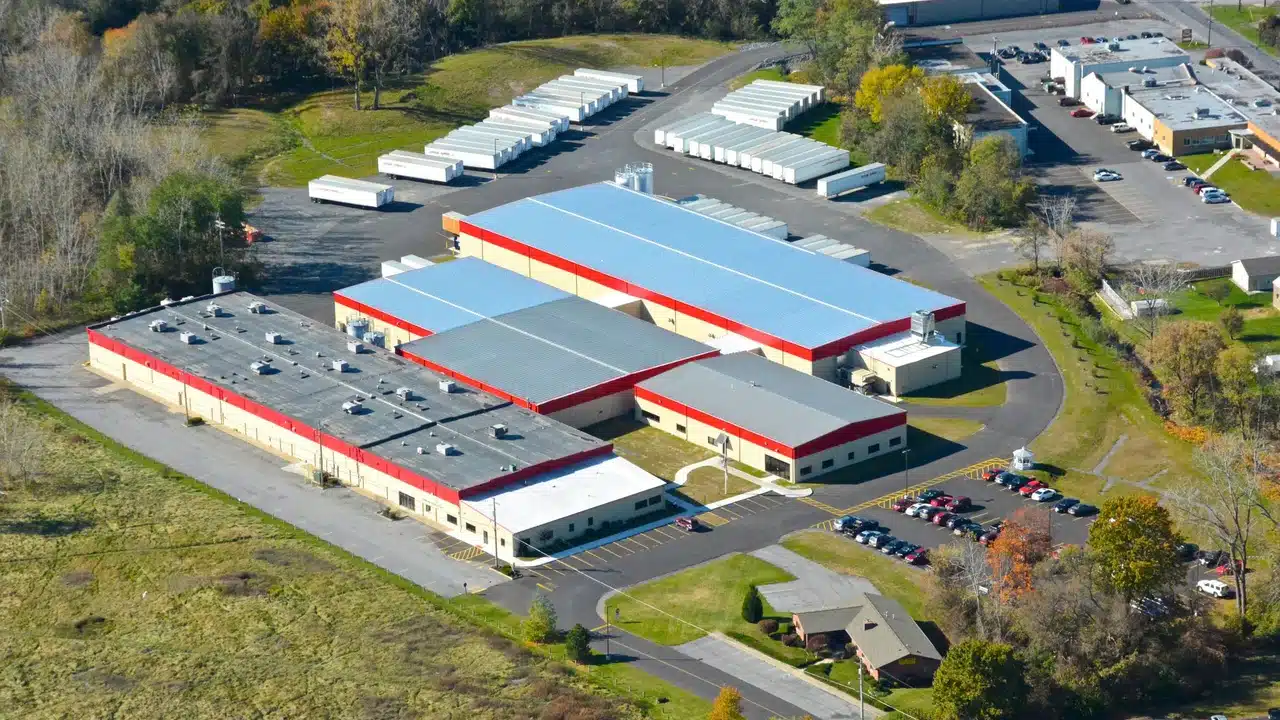
Alentra identifies 101 Columbus St. in Auburn as its corporate headquarters and flagship manufacturing campus. The site combines injection and blow molding, tooling support, cleanroom manufacturing and assembly.
The company lists 100,000 square feet of molding space at the Auburn location. Its services there include tool maintenance, manual and automated assembly, labeling and kitting, supporting medical and life sciences programs from tooling through commercial production.
Auburn's ISO Class 7 and Class 8 cleanrooms provide controlled environments for manufacturing regulated components. Alentra says the site operates with an ISO 13485:2016-certified quality system and production controls intended to maintain consistent, traceable output.
That is the local manufacturing foundation behind the broader organization. Alentra's other listed locations contribute different capabilities: molding, tooling and assembly in Rancho Cordova, California; cleanroom molding and subassemblies in San Jose, California; and product design and engineering in Foxborough, Massachusetts.
The company describes itself as a contract development and manufacturing organization, or CDMO. In practice, that means helping other companies design, engineer and manufacture their products.
Private-equity investment set up the expansion
The new name follows a series of ownership, leadership and acquisition announcements over the past year.
Sheridan Capital Partners announced its investment in Currier in September 2025. The health care-focused private equity firm described a business built around precision plastic components and services including design engineering, material selection and assembly.
Andrew McLean became chief executive as part of that transition. His earlier leadership roles included SteriPack Group, a product design and contract manufacturer, and Sirtex, a medical technology company. FingerLakes1 reported on the ownership and leadership change at the time.
The investment positioned Currier for both growth within the business and acquisitions. Financial terms were not disclosed.
The company also added manufacturing experience to its board. A Jan. 20 announcement from Sheridan named Steve Bohnet and John Weber as directors. Bohnet brought more than 35 years of molded-plastics and medical-device operational experience, while Weber had led Springboard Manufacturing before it became part of Currier.
California acquisitions added capacity and a West Coast presence
Currier acquired Springboard and MOS in December 2025, according to the rebranding announcement. The purchases were publicly announced in January 2026 and reported by FingerLakes1.
The acquisition announcement described Springboard's custom precision components, tooling and assembly business in Rancho Cordova. At the time, Sheridan said Springboard had more than 200 employees across two facilities totaling 140,000 square feet, including Class 8 cleanroom space.
MOS added precision components, tooling and subassemblies for pharmaceutical, medical technology and diagnostic customers. Sheridan described the San Jose business as having more than 120 employees in a 55,000-square-foot facility with Class 7 and Class 8 cleanrooms and device assembly capabilities.
Those figures described the acquired California operations. Their importance to the Auburn-headquartered business was additional manufacturing capacity, complementary services and a West Coast presence within the same organization.
The transactions also brought Weber onto Currier's board and made Springboard's previous owner, HC Private Investments, a material shareholder in Currier. Terms of the acquisitions were not disclosed.
Sage added work that happens before manufacturing
The August acquisition of Sage Product Development expanded a different part of the business: helping customers develop devices before they are ready for large-scale production.
Sage's engineers work on early concepts, feasibility, product development and project management, along with contract manufacturing. Its projects include disposable and reusable devices, implants, electro-mechanical products, flexible endoscopes, catheter-based systems and other minimally invasive technologies.
In announcing the transaction, the company said Sage had worked with more than 100 clients and contributed to more than 220 issued patents. Those capabilities gave the combined business a more direct role in designing products that could later move into manufacturing.
FingerLakes1 reported the Sage acquisition in August. Sage co-founder Jeffrey Cerier said joining Currier would give his team more resources while combining its engineering expertise with Currier's manufacturing capabilities.
That sequence explains the Alentra name: the organization now includes the engineering and development work of Sage alongside the molding, cleanroom and assembly operations built by Currier, Springboard and MOS.
A new name built on Auburn's manufacturing history
Currier was founded in 1982. Its shift toward medical manufacturing developed over years, with cleanroom investments, automation and additional production capabilities preceding the recent acquisitions.
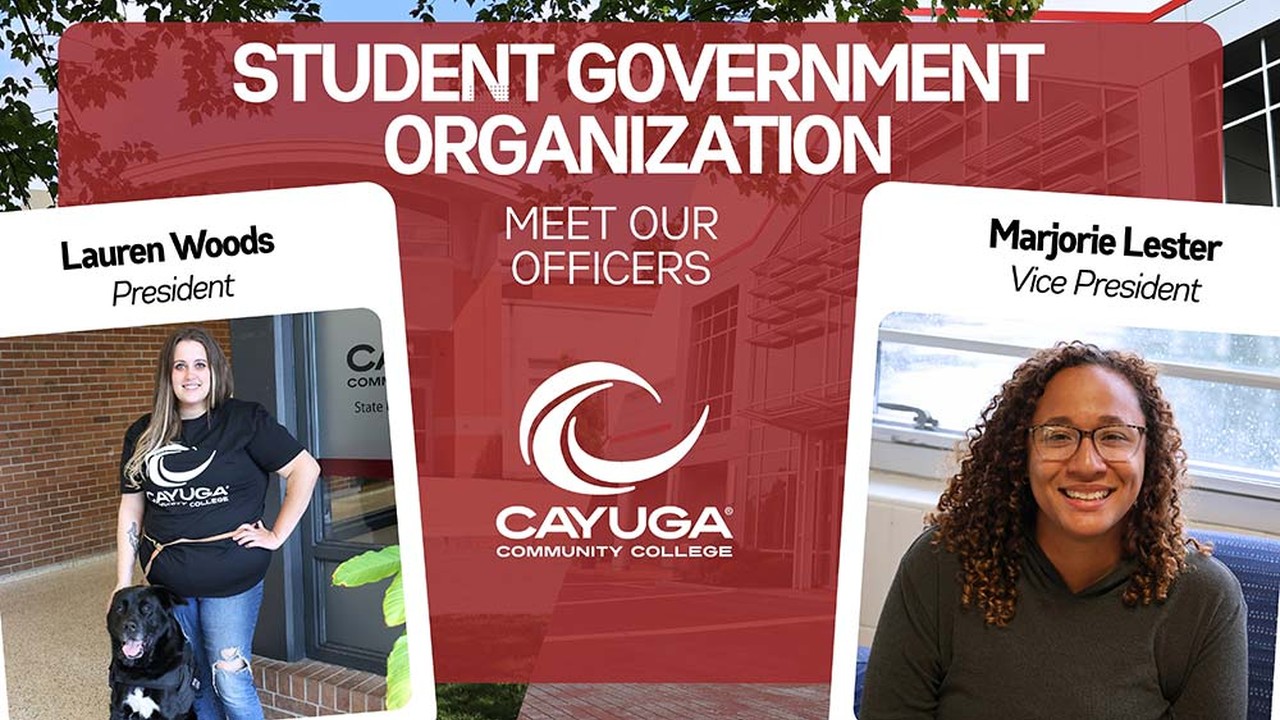
The company's history describes a 2013 expansion that added 40,000 square feet for blow molding and 10,000 square feet of warehouse space. It also credits Currier with helping create a plastics degree program at Cayuga Community College in 2016, where a laboratory was dedicated to Ray Currier.
Later investments included modular molding and assembly cleanrooms, a 9,000-square-foot Class 8 cleanroom, and a second location that added 25,000 square feet of cleanroom space in 2023, according to the company. Its 2025 milestones included a larger injection blow molding machine and an expanded quality-certification scope covering sterilization management.
Alentra's current services extend from product design and prototyping to molded components, assembly, packaging, sterilization support and logistics. Its markets include medical devices, pharmaceuticals, diagnostics, life sciences and consumer packaging.

FingerLakes1.com is the region’s leading all-digital news publication. The company was founded in 1998 and has been keeping residents informed for more than two decades. Have a lead? Send it to news@fingerlakes1.com.