A Cornell-led research center has won nearly $22.5 million from the National Science Foundation for five more years of work on crops that can signal when they need resources — and, eventually, respond to signals from growers.
The Center for Research on Programmable Plant Systems, known as CROPPS, is renewing work that began with a $25 million NSF award in 2021. Its researchers combine plant biology, engineering and computing to study two-way communication between plants and people. The new money funds research, not a farm-ready product or a service now available to growers.

Cornell engineering professor Abraham Stroock, the center's director, said the goal is to carry signals from a plant's internal biology to people through digital tools and, in the other direction, enable people to influence plant responses. The center includes Cornell, the Boyce Thompson Institute and universities in Illinois, Arizona, Colorado and Alabama.
Tomatoes that signal nitrogen needs
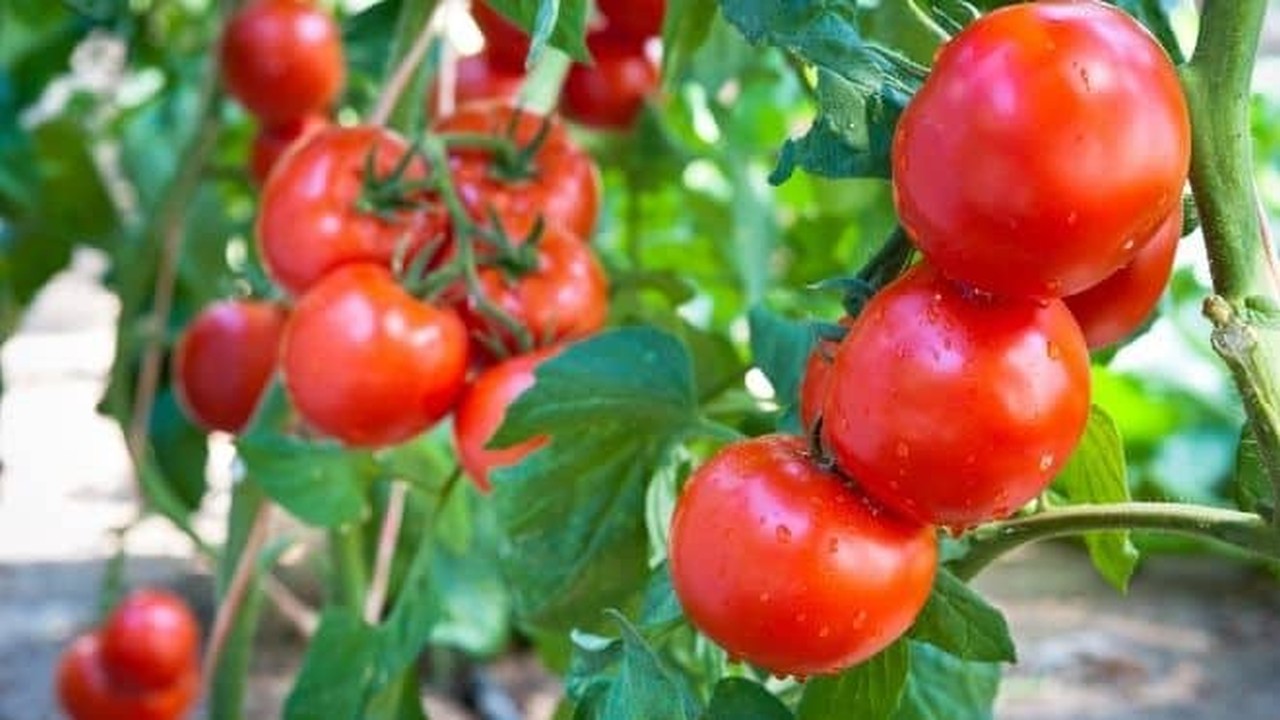
One project has produced tomato plants whose leaves turn red when their roots detect low nitrogen. Margaret Frank, a Cornell plant biology professor and co-principal investigator, leads that work. Researchers first tested the plants in an automated greenhouse hydroponic system that supplied nitrogen when needed.
In 2025, the team moved to field trials at Cornell and the University of Arizona. Researchers say the color change can be detected in drone images, giving them a way to monitor the plants across different climates. They have also begun talking with small New York high-tunnel tomato growers and large California growers about the possibility of using the plants as sensors among other crops; the announcement does not say they are in commercial use.
Frank said scheduled applications can waste nitrogen and water because they may not match a plant's immediate needs. The center is also developing plants that report water stress detected in their roots through visible signals in the canopy. Researchers hope more precise information could eventually reduce inputs, but the grant announcement does not measure savings on a commercial farm.
Tracking faster plant responses
A second project studies signals that plants naturally send within minutes or hours after environmental changes. The work has been done almost entirely in Arabidopsis, a laboratory model plant, rather than commercial crops. Researchers are examining whether those signals can help growers manage the trade-off between opening leaf pores to take in carbon for growth and closing them to retain water during heat or drought.
The group is also studying the immediate responses plants make after damage from pests. Its longer-term aim is to track those responses and potentially use them to guide crop management. Controlling such responses in a field crop remains a research goal, not an established farming method.
An educational version, called CROPPS in a Box, shows students how a stressed plant can produce a phone message. Engineered Arabidopsis plants glow when they release calcium in response to damage; a microscope and computer interpret the signal and convert it into a text alert. The classroom demonstration illustrates the biology and computing involved, not a consumer device for farmers.
Changing plant growth midseason
A third project explores whether information from models or weather forecasts could guide changes in root systems or leaf arrangement during a growing season. Deeper roots might help crops reach limited water, while changes in leaf shape or distribution could affect how a crop competes with weeds and captures light. Researchers are studying how to trigger those changes; the release does not say the approach has been deployed in farm production.
The renewed grant will support the move from initial laboratory work toward automation, drone monitoring and field testing under farm, environmental and regulatory constraints. The center is also training graduate students and postdoctoral researchers across the participating institutions. Its first five years have produced demonstrations in greenhouses and field trials, while the practical value and limits of programmable crops remain to be tested.

FingerLakes1.com is the region’s leading all-digital news publication. The company was founded in 1998 and has been keeping residents informed for more than two decades. Have a lead? Send it to news@fingerlakes1.com.