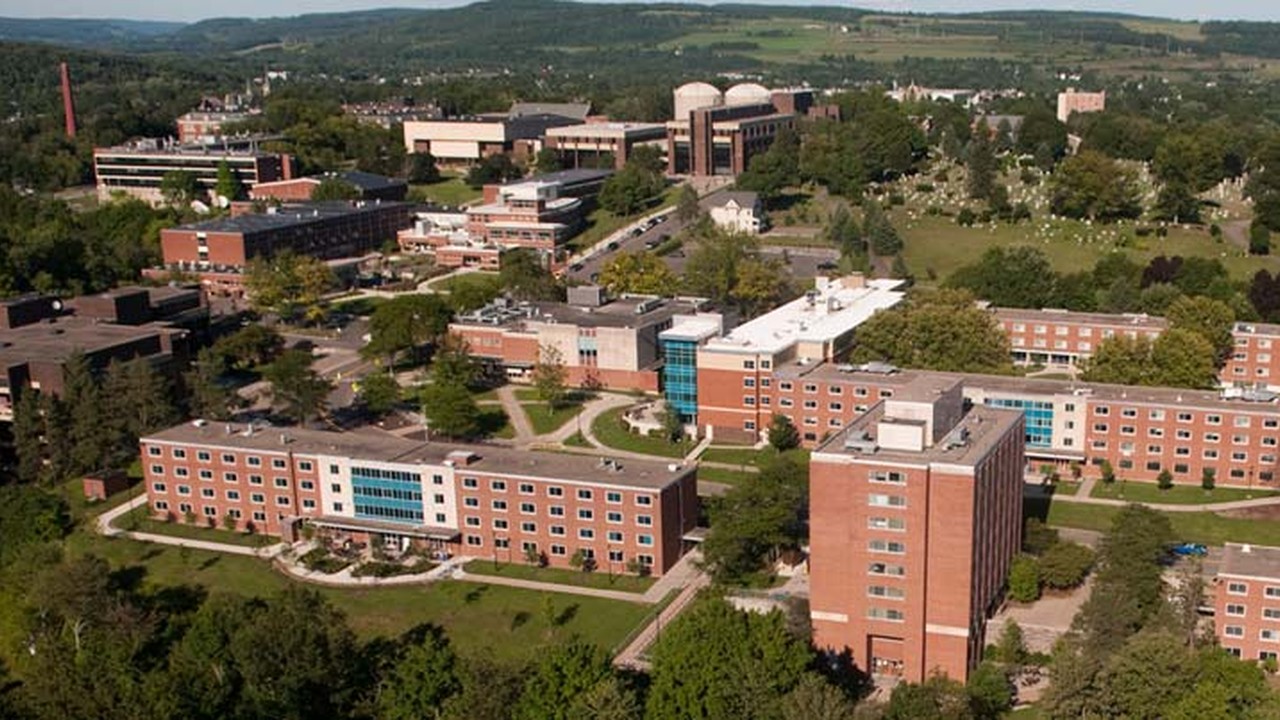
SUNY Cortland has launched a bachelor's degree in environmental science that combines biology, chemistry and geology with required fieldwork and an internship.
The new major broadens the university's environmental studies options beyond its existing environmental geoscience program, which is more focused on earth science and geology, according to a SUNY Cortland announcement. Students can select upper-level science courses that reflect their interests while building a foundation across disciplines.

Gayle Gleason, associate professor and chair of the Geology Department, said students had asked for a program with more room to study biology and chemistry. The environmental geoscience major will remain available.
"It gives students a lot of choices (with upper-division science courses) so they can do what they're interested in," Gleason said in the university's announcement.
The program is intended in part for students who have taken Advanced Placement Environmental Science or other courses about environmental health. The university said its departments in the sciences, geographic information systems and mathematics helped develop the major. Li Jin, a geology professor, will coordinate it.
Field stations give students places to investigate
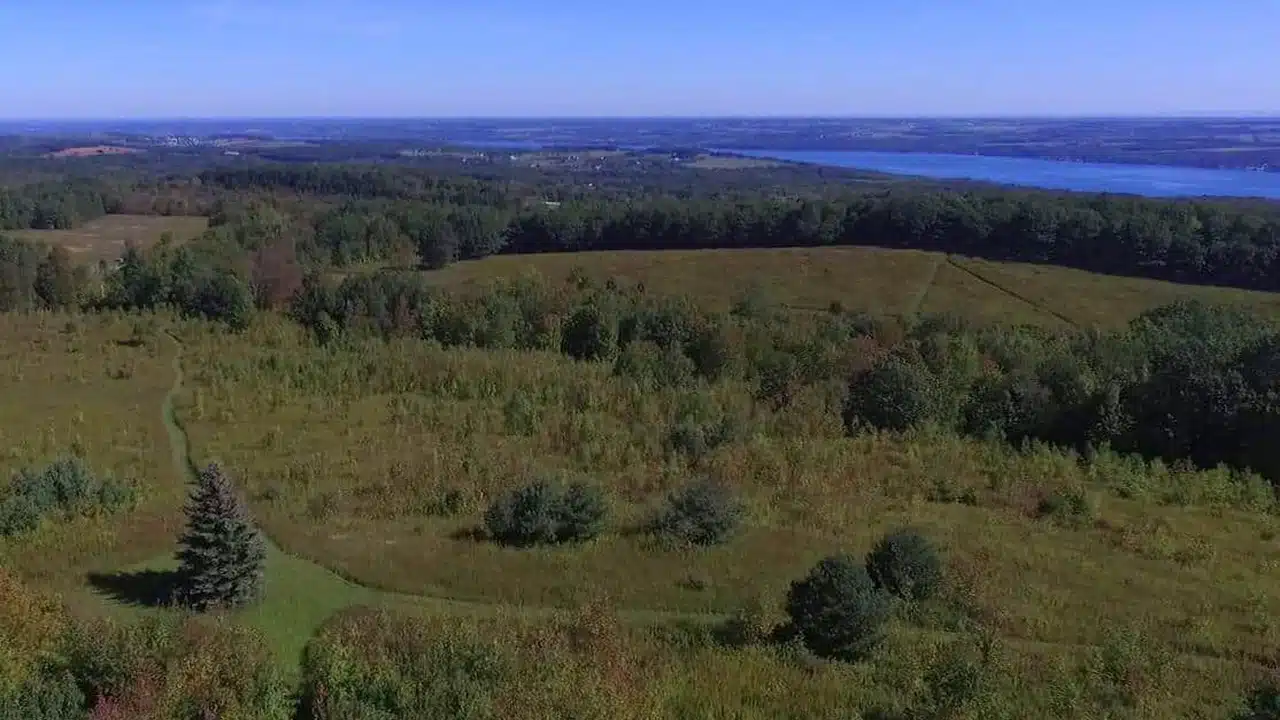
All students in the major will complete fieldwork through SUNY Cortland's W.H. Parks Family Center for Environmental and Outdoor Education. Its sites include Hoxie Gorge, about seven miles from the Cortland campus; Brauer Field Station near Albany; and facilities at Raquette Lake in the Adirondacks.
The Raquette Lake property covers more than 440 acres and is the only National Historic Landmark in the SUNY system, the university said. At Brauer Field Station, new monitoring wells will let students conduct pump tests and study groundwater movement. The site also offers a range of plant life for research.
Potential research topics include road salt's effects on water quality in the Tioughnioga River, soil health and development, and nitrates and other pollutants. The university described these as examples, not projects assigned to every student.
Students may also work across biological sciences, chemistry and geology to examine environmental systems. Gleason said the interdisciplinary approach would allow them to consider animal behavior alongside soil, groundwater and surface-water conditions.
Internships are part of the degree
The new major requires an internship, following the model of SUNY Cortland's environmental geoscience program. Potential placements include the state Department of Environmental Conservation and local soil and water conservation districts; the university did not announce specific partners or guaranteed positions.
Gleason said internships have helped students gain experience and confidence before entering the workforce. The university also named the U.S. Geological Survey among potential employers for graduates, not as a confirmed internship site.
The announcement did not specify a first graduating class, enrollment target or additional tuition for the program. Prospective students can review the environmental science major through SUNY Cortland's academic information.

FingerLakes1.com is the region’s leading all-digital news publication. The company was founded in 1998 and has been keeping residents informed for more than two decades. Have a lead? Send it to news@fingerlakes1.com.