


Moving to Houston County brings the charm of Middle Georgia, warm weather, and a bustling community near Robins Air Force Base, with the city’s near 88,000 residents sure to provide a warm welcome. However, the region’s equally warm subtropical climate also creates an ideal environment for native insects and structural pests.
New residents often find themselves dealing with uninvited household invaders shortly after unpacking their boxes. Understanding which species are common in the area helps homeowners protect their property and maintain a comfortable living space year-round.
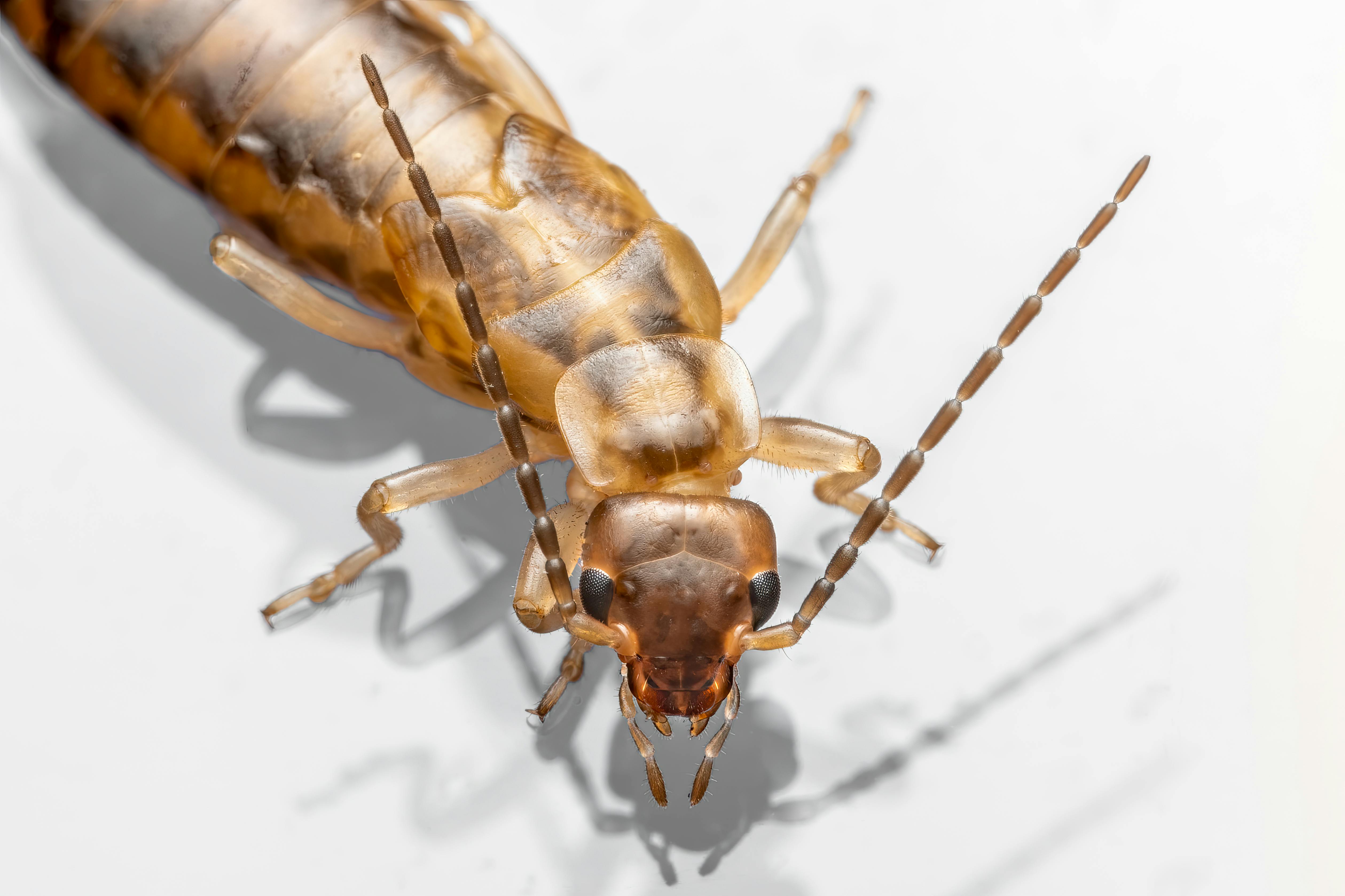
The First Unwelcome Guests in Middle Georgia
Relocating to Middle Georgia means getting used to a warm, moisture-rich environment where insects thrive. Red imported fire ants are among the most persistent outdoor pests in the region, constructing visible mounds across yards and posing a threat with their painful stings. Outdoor spaces require consistent maintenance to prevent these colonies from spreading near foundational walls.
Indoors, various cockroach species quickly seek out dark, damp areas such as crawl spaces, basements, and under sinks. German cockroaches prefer kitchen environments where food and water sources are abundant, while larger American cockroaches often enter from outdoors through minor structural gaps. Keeping food sealed and minimizing standing moisture around the home are essential first steps for keeping these invaders outside.
Addressing an active infestation often requires professional treatment to ensure long-term control. Utilizing pest control in Warner Robins, GA offers strategic barrier applications and targeted treatments designed to protect local residences throughout every season. Local specialists know how to tackle entrenched issues and make your new home a haven rather than a pest-riddled headache.
Subterranean Termites and Structural Protection
Subterranean termites represent a major consideration for property owners across Georgia. These insects nest underground and construct mud tubes to travel above ground in search of cellulose material, making home foundations a prime target. During spring, swarming termites leave established colonies to start new populations, making seasonal vigilance crucial for homeowners.
Because structural damage often occurs deep inside wooden framing before visible signs appear, preventative inspection is vital. Routine monitoring helps identify subterranean activity early, saving homeowners from costly structural repairs down the road.
Property owners should watch for specific indicators of activity around the home:
- Mud tubes running along foundation walls or support piers
- Discarded insect wings near window sills and entry doorways
- Blistered or soft wood surfaces that sound hollow when tapped
Taking preventative action before swarming season limits potential exposure and keeps wood-destroying organisms away from your foundation. Combined with other home maintenance must-dos, you’ll be protecting your property for the long term and ensuring your life in Warner Robins is free from unnecessary costs and complications.
Seasonal Mosquito Activity and Vector Control
Middle Georgia experiences extended warm seasons, which prolong mosquito activity from early spring well into late autumn. The combination of heat and summer rain creates ideal breeding grounds in residential yards, particularly in areas with standing water.
According to reports, mosquito activity and West Nile risk factors remain a primary focus for public health during peak summer months. Females require only a tiny amount of stagnant water in gutters, birdbaths, or flowerpots to lay eggs, leading to rapid population growth around residential neighborhoods. Controlling these pests requires eliminating standing water weekly and trimming dense foliage where adult mosquitoes rest during the hottest parts of the day.
Native Ant Species and Wood-Damaging Pests
In addition to fire ants, several other ant species frequently establish pathways into local homes. Odorous house ants and Argentine ants form large, interconnected colonies that forage indoors for sweets and greasy foods. When disturbed, these species can divide into multiple sub-colonies, making basic DIY sprays largely ineffective against established nests.
Research on native subterranean termite swarm cycles shows that understanding regional pest behavior is critical when managing structural and nuisance insects. Carpenter ants present another challenge, as they excavate galleries inside damp or decaying wood to build their nests, potentially weakening structural timber over time.
State regulations and risk profiles emphasize integrated pest management strategies to effectively manage both nuisance ants and wood-destroying organisms. Combining physical exclusion techniques with professional treatments keeps these invasive colonies away from your living space.
Establishing an Effective Home Defense Strategy
Protecting a home in Warner Robins starts with routine structural maintenance and pest prevention habits. Sealing gaps around utility lines, replacing worn weather stripping, and repairing leaking pipes eliminate the entry points and water sources that attract pests. Keeping perimeter boundaries clear by moving mulch and tree branches away from exterior walls further reduces pest pressure.
Partnering with a licensed local specialist provides comprehensive pest defense tailored to Middle Georgia’s unique climate and pest populations. Scheduled perimeter treatments create a lasting barrier, allowing you to enjoy your new home with total peace of mind. For tips on seasonal upkeep, explore our internal blog resources to keep your property protected year-round.

This content is brought to you by the FingerLakes1.com Team. Support our mission by visiting www.patreon.com/fl1 or learn how you send us your local content here.