

Sitting for many hours at a desk can cause tension in the back, shoulders, neck, and hips. Sitting in the same position for extended periods of time can reduce the amount of natural movement and heighten the perception of discomfort. Stretching is a very easy method to release tension throughout the day at work, without making the workday a workout. An ergonomic chair that encourages supported movement can make these changes more accessible by providing back support, adjustable reclining, and space for a bit of stretching.
Why Stretching Matters During Long Periods of Sitting
The body was designed to move, but when we sit at a desk all day, we don’t move very much. Sitting for long periods of time can add to stiffness as muscles and joints are not given enough chances to move. By incorporating regular movement breaks, you can break that cycle and offer a chance to relax areas that are active when you’re typing, reading, or gazing at a screen.
Stretch is applicable in the workplace as it needs little equipment or space. Using gentle movements to relax muscles, improve blood flow, and refresh the mind between challenging activities. Stretch should be controlled, not forced. It’s not about extreme flexibility; it’s about the comfortable flexibility within a day spent mostly sitting.
Why Supported Stretching Can Be More Effective
A regular office chair will support sitting, leaning forward, and leaning back. While those movements can be beneficial, stretching is more than simply altering the position of the torso. A comfortable stretch can include movement in the spine, waist, shoulders, neck, and upper body.
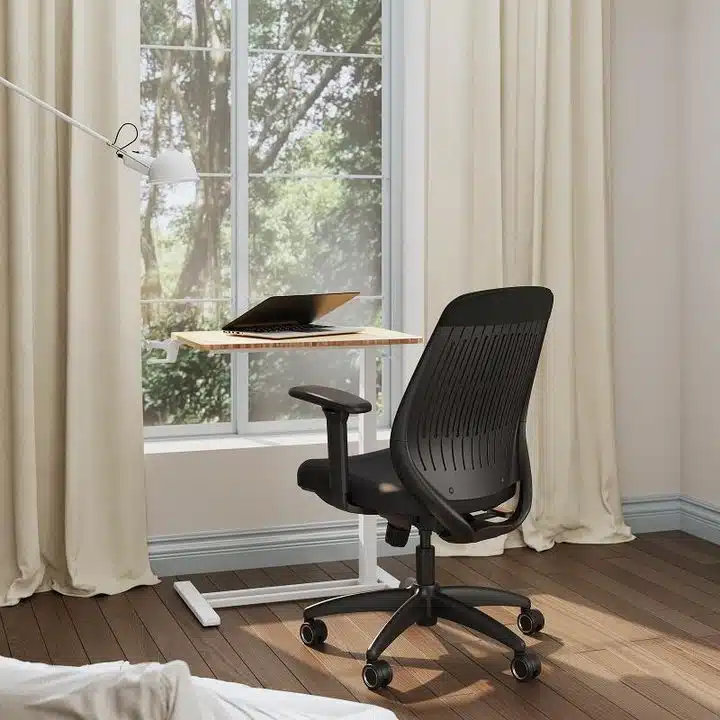
It is here that support from stretch office chair is vital. The lack of a stable surface may result in another part of the body being used for compensation or the application of unequal force when attempting to extend. A supportive backrest can offer constant contact while you slowly move. It can also help make reclining and extending feel like a natural transition and not separate activities.
Slow and steady is the key. Change position, relax muscles, and move within a comfortable range. Stop the movement if it leads to sharp pain, numbness, dizziness, or other signs or symptoms of concern.
Use Reclining to Create More Movement
Reclining is not just a method of resting. Adjusting the back angle will change the way the body reacts to the chair and help minimize the sensation of being locked in an upright position. This allows for more flexibility when switching between work and quick rest with a chair that has an adjustable backrest. The office chairs for back pain offer just that feature.
The more reclined, the more room for the gentle extension of the spine and opening of the front of the body. This position can be used following long typing sessions, while reading, or between meetings.
Let the Backrest Move With You
When the chair allows for a change of posture rather than hindering it, it becomes more comfortable to stretch. A flexible backrest can offer supportive contact when leaning, reclining, or extending. This makes a smoother transition between sitting positions.
A biomimetic backrest conforms to the curvature of the spine. This
method will let the back move instead of remaining in one form. This can be helpful if you have a job that requires you to focus on the computer for extended periods of time, but then take breaks for short periods.
Coordinate Movement Across the Upper Body
Stretching at the workplace isn’t just for the lower back. The shoulders, neck, chest, and top of back can also be tight after spending time at the computer. There are simple changes in posture that can allow these areas to move rather than remain fixed.
Arm support may help in this process. Adjustable armrests let your arms rest at various angles depending on your body position. With the right kind of support for your shoulders, you won’t have to keep your arms in the same position constantly.
Experiment with a slight angle, relaxed shoulders, and a comfortable neck position. It’s also possible to modify the position of your arms during the reading or brief pause.
Make Stretching Part of the Workday
It is consistency, not intensity! If you feel stiff, there’s no need to run through a long stretching program. Instead, create short movement opportunities during natural breaks, when you are done with an email, when you’re done with a meeting, or when you’re waiting for a file.
The first step is to identify tension areas. If shoulders are tight, alter the position of arm and relax them gently. Change posture and recline with support if your back feels stiff. If you are feeling tension in the neck, go back to a neutral position and do not push the range of motion.
These habits can feel like working, not like interrupting work! They also help to remind you to make changes to your stiffness sooner rather than later, before it gets distracting.
Create a Workspace That Encourages Movement
The ideal movement-friendly chair is one that is used in a workspace where there is enough space to naturally vary one’s posture. Your desk, monitor, keyboard, and other equipment should enable you to sit comfortably and without reaching or twisting constantly.
Adjust the chair so that the body feels supported before stretching. The ease with which you can change your posture is affected by the seat position, arm support, and backrest movement. If the basic setup is comfortable, move the chair during the day, instead of holding it stationary.
A single chair based on this concept is the ErgoStretch. Its flexible, supportive backrest, reclining feature, seat position adjustability, and movable armrests are designed to provide working, leaning, relaxing, and gentle stretching in one workspace.
Stretch Safely and Listen to Your Body
Stretch should be a feeling of release and not pain. Go at your own pace, with your natural breath, and do not bounce or push a joint into an uncomfortable position. If you are already injured or experiencing chronic pain, you may want to consult an experienced healthcare provider about which exercises to perform.
Conclusion
It’s not necessary to be stationary for long workdays. Practical ways to relax tense areas while working include gentle stretching and regular changes of posture. Those changes are easier to make with an ergonomic chair that supports movement and can be reclined, particularly one that has a backrest to support coordinated movement of the spine, shoulders, neck, and upper body. Supported Stretching plus an active work routine equals a more flexible way to work at the desk.

This content is brought to you by the FingerLakes1.com Team. Support our mission by visiting www.patreon.com/fl1 or learn how you send us your local content here.