

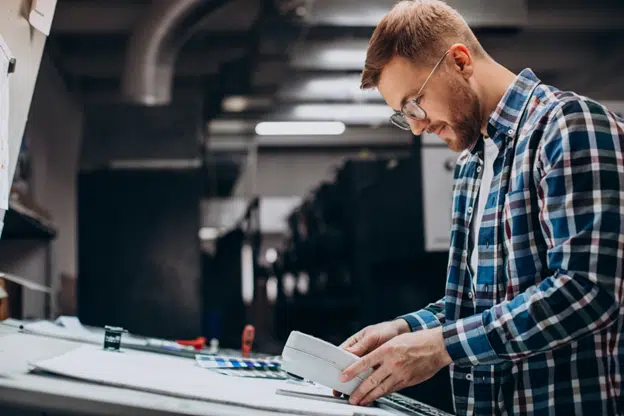
Packaging lines don’t look like they used to – and thank goodness for that. Gone are the days of churning out millions of identical boxes with zero room for error (or creativity).
Today’s lines juggle tiny batches, last-minute design swaps, and a mountain of must-print info like dates, barcodes, and batch codes.
That’s where industrial thermal inkjet printers come in. They’re the quiet heroes letting brands print directly onto packaging as it zooms down the line – no extra labels, no bottlenecks, no headaches.
Printing isn’t some add-on step anymore. It’s baked right into the action.
Why Packaging Lines Are Getting a Flexibility Upgrade
Let’s be real: consumers are fickle. They want limited-edition flavors, seasonal designs, and packaging that feels like it was made just for them. For manufacturers, that means ditching the “print a million and pray” model for something way more nimble.
Oh, and packages aren’t just pretty wrappers anymore. They’ve got to carry expiration dates, track-and-trace codes, ingredient lists, and more – all printed clearly, accurately, and on the fly.
Old-school printing rigs were built for marathon runs, not quick pivots. Digital tech flips that script. Now you can swap designs or update info without grinding the whole line to a halt.
Flexibility isn’t a nice-to-have. It’s how you stay in the game.
How Industrial Thermal Inkjet Printers Fit Into Modern Packaging
So, what do industrial thermal inkjet printers actually do? Simple: they slap variable info right onto moving packages – fast, clean, and without breaking stride.
Best-by dates? Check. Batch numbers? Yes. Barcodes, QR codes, even little branding touches? All of it.
Here’s the kicker: you don’t need a separate label for every single thing. Print it live, right on the package, as part of the main event. Fewer steps, less clutter, fewer chances to mess up.
And because these printers can talk to your production software, they’ll auto-pull the right data for each batch. No more manual entry. No more “oops, wrong date.” Just smooth, consistent printing that keeps pace with your line.
Digital Printing Is Changing What Packaging Can Look Like
Remember when trying a new package design meant ordering 50,000 units and hoping for the best? Yeah, those days are fading. Digital printing lets brands test wild ideas, launch regional variants, or drop seasonal packs without betting the farm.
Snack companies are rolling out limited-edition artwork. Retailers are tweaking designs by store. Brands are A/B testing packaging like it’s a Facebook ad. And because swapping designs between runs is so easy, you’re not stuck committing to one look forever.
Packaging isn’t just protecting product anymore; it’s part of the conversation with customers, and digital printing makes that conversation way more interesting.
Smarter Packaging Lines Mean Less Waste and Fewer Headaches
On the floor, faster changeovers mean less downtime between products. And because you’re printing variable data live, you can ditch piles of pre-printed stock or separate labels. Less storage, less clutter, less stress.
The numbers back it up, too. In flexible packaging and label production, printing often ranks among the top waste generators on the line.
Industry benchmarking from the Flexographic Technical Association shows setup and start-up alone can burn through 8–12% of substrate on short runs.
In flexible packaging, up to 37% of all process waste can come from printing alone. Switch to newer digital or eco-friendly flexo systems, and you can cut that scrap by 22–41% on short-to-mid runs. That’s not just better for the planet – it’s better for your bottom line.
AI and Automation Are Pushing Packaging Printing Further
Packaging lines are getting smarter, and printing’s coming along for the ride. AI and automation now help manage everything from job scheduling to design swaps, with printers working in sync with fillers, labelers, and cameras.
Boring, repetitive stuff, like updating batch codes or switching label templates, can run on autopilot. That frees up your team to focus on the important stuff. And because the system’s constantly pulling data from the line, it can spot issues before they become problems.
The end result? A packaging operation that rolls with the punches instead of freezing up every time something changes. As the tech keeps evolving, expect even tighter links between printing, automation, and your whole production setup.
The Bottom Line
Let’s cut through the noise: industrial printing isn’t some boring back-office task anymore. It’s the secret ingredient letting brands move fast, stay flexible, and keep every date, code, and design pixel-perfect.
Industrial thermal inkjet printers are right in the thick of it, turning packaging lines from rigid assembly belts into agile, responsive systems that actually meet what modern manufacturing demands.
Brands that lean into this shift, treating printing as a core part of their packaging strategy, not an afterthought, will stay ahead. The rest? They’ll be stuck playing catch-up, one outdated label at a time.

This content is brought to you by the FingerLakes1.com Team. Support our mission by visiting www.patreon.com/fl1 or learn how you send us your local content here.