


A Keuka College Constitution Day presentation examined how first ladies have shaped a highly visible White House role that is not defined in the U.S. Constitution.
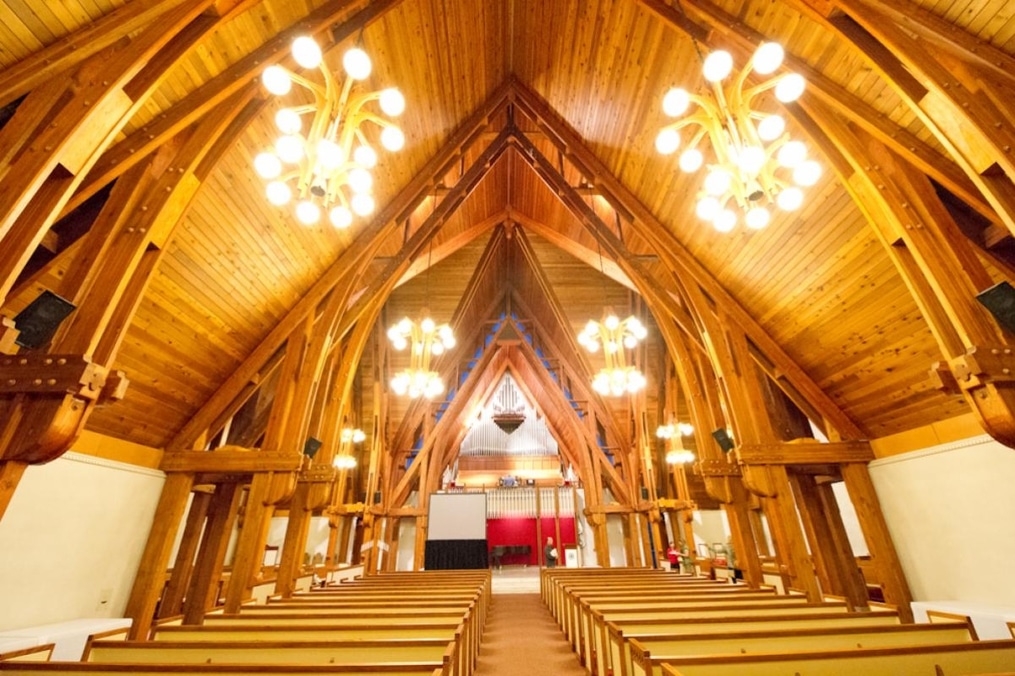
History professor Christopher Leahy and independent scholar Sharon Williams Leahy spoke to more than 150 students, employees and community members Sept. 17 in Norton Chapel. Their talk focused on the precedents first ladies created and on Julia Gardiner Tyler, the subject of their new biography, “Presidentess: The Life of First Lady Julia Gardiner Tyler.”

The presentation marked the anniversary of the Constitution's signing in 1787. The speakers noted that the document describes executive power in detail but assigns no duties to a president's spouse, leaving generations of first ladies to define the position through custom, personality and public expectations.
Sharon Leahy said Martha Washington established an early model by making presidential social events formal enough to represent the new national government while distinguishing them from European royal courts. Abigail Adams later helped establish the presidential spouse as a political adviser, while Dolley Madison made White House gatherings important political and social occasions.
Madison also helped save Gilbert Stuart's portrait of George Washington before British forces reached the White House during the War of 1812, the speakers said.
Julia Gardiner Tyler's influence
Julia Gardiner Tyler spent only eight months in the White House, but the Leahys said she left a lasting mark on the role. A 23-year-old Long Island native when she married President John Tyler in 1844, she had been educated and had traveled in Europe before entering Washington society.
Christopher Leahy said she built influence through presidential ceremonies, access to the president, use of the press and efforts to shape her legacy after leaving the White House. He emphasized that a first lady's informal influence was not the same as constitutional authority.
That influence also drew criticism. The speakers discussed a 19th-century political cartoon that blamed Julia Gardiner Tyler for the president's decision to abandon his reelection bid, which Christopher Leahy described as the first direct link between a first lady and a presidential campaign.
A role that kept changing
The Leahys also traced the role through the 20th century. Eleanor Roosevelt expanded its public reach through advocacy, press conferences, a syndicated newspaper column and extensive travel, including a visit to Keuka College.
Sharon Leahy said Mamie Eisenhower managed the White House's domestic and social sphere, served as a sounding board for presidential speeches and built a large direct correspondence network. She also used her public profile to form relationships with people in fashion, design, manufacturing and the arts.
Lady Bird Johnson developed a public agenda centered on conservation and beautification. Modern first ladies now oversee staffs that can include communications employees, schedulers, policy advisers and speechwriters, but the Constitution still provides no formal direction for the position.
About a dozen people participated in a question-and-answer session after the talk. Keuka College said the presentation was recorded for a future C-SPAN broadcast.

FingerLakes1.com is the region’s leading all-digital news publication. The company was founded in 1998 and has been keeping residents informed for more than two decades. Have a lead? Send it to news@fingerlakes1.com.