


Evolutionary cell biologist Edgar Medina Tovar will join Cornell University's Weill Institute for Cell and Molecular Biology this month to study how fungi evolved and how pathogenic species cause disease.
Medina Tovar will begin as an assistant research professor before becoming an assistant professor in January 2027, Cornell said.
Research connects evolution and disease
His laboratory will focus on chytrid fungi, an ancient group that includes species responsible for major amphibian declines. Chytrids occupy an important position on the evolutionary tree and can help scientists study traits shared by fungi and animals.
Medina Tovar uses cell biology, genetics and evolutionary approaches to examine how fungal cells move, reproduce and interact with hosts. The work could clarify how disease-causing mechanisms emerged over time.
Cornell said the research also may inform the study of antifungal resistance. Fungal infections are difficult to treat because fungi and humans share many cellular features, limiting the number of drug targets that can be attacked safely.
By comparing diverse species, Medina Tovar's group aims to identify biological processes that are distinctive to fungi. Those differences could eventually point researchers toward new diagnostic or treatment strategies.
Fellowship supported early research
Medina Tovar is a Hanna H. Gray Fellow of the Howard Hughes Medical Institute. The program supports early-career scientists as they move from postdoctoral work to independent research positions.
His appointment will connect the Weill Institute with Cornell programs in molecular biology and genetics. He is expected to collaborate with researchers studying cell structure, evolution, microbes and host-pathogen interactions.
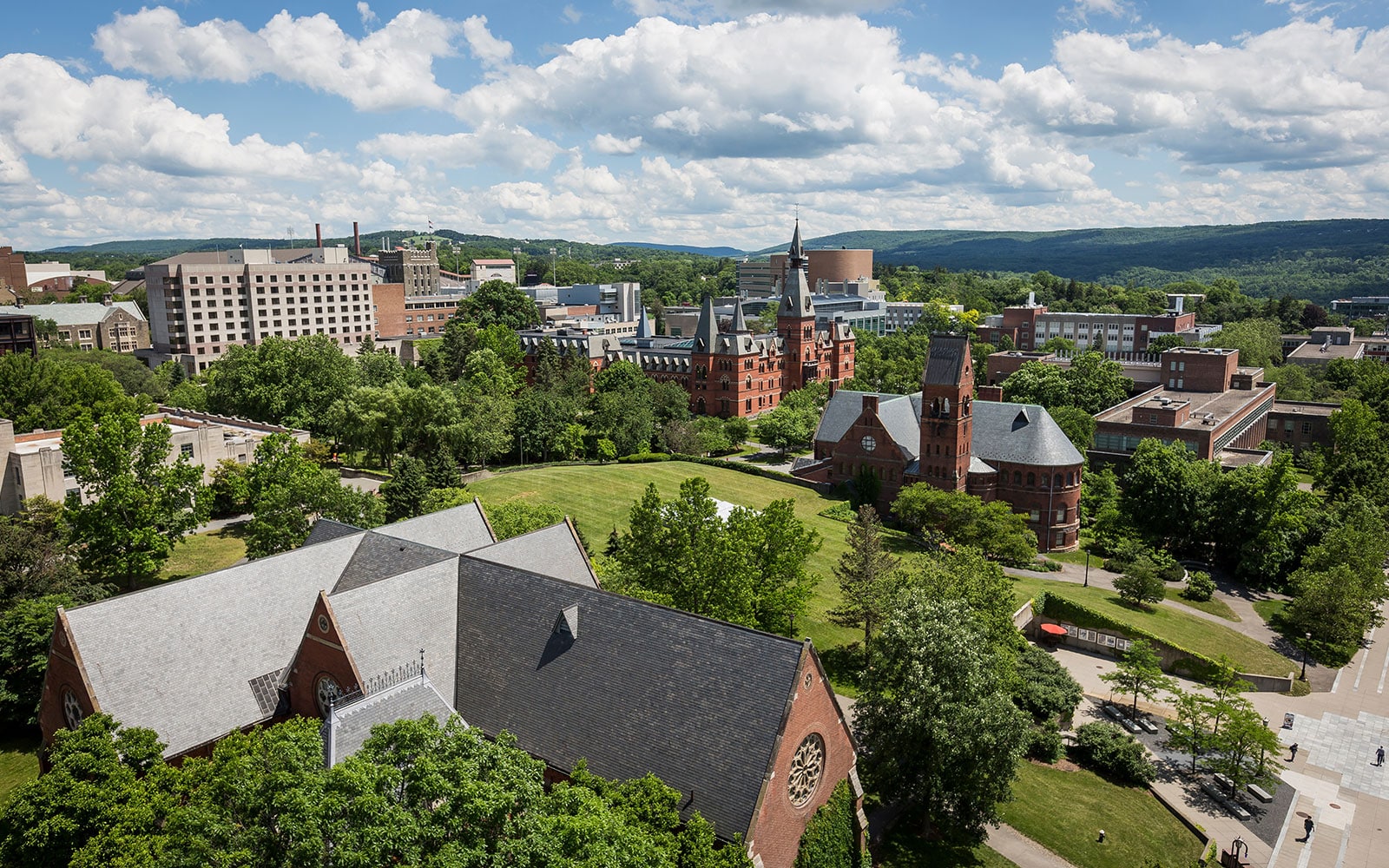
The Weill Institute brings together faculty from several departments to investigate fundamental cellular processes and their links to health and disease. Its laboratories are based on Cornell's Ithaca campus.
Cornell said Medina Tovar's work adds a fungal model that is not widely represented in cell-biology research. That perspective may help researchers distinguish features inherited from a distant common ancestor from adaptations that arose later.
The appointment also expands Cornell's work on emerging fungal threats. Scientists have warned that warming temperatures, habitat change and drug resistance are increasing the need for a better understanding of fungal pathogens.
Medina Tovar is expected to begin building his research group during the fall semester, with the faculty appointment taking effect at the start of 2027.

FingerLakes1.com is the region’s leading all-digital news publication. The company was founded in 1998 and has been keeping residents informed for more than two decades. Have a lead? Send it to news@fingerlakes1.com.