

When it comes to choosing the perfect tiles for your home improvement project, understanding the durability of different materials is key. Zellige Tiles and ceramic tiles each bring distinct qualities to the table, making them popular choices in interior design. This article will delve into the unique characteristics of Zellige Tiles, compare them with ceramic tiles, and help you determine which material offers better durability for your specific needs.
Zellige Tiles: Characteristics and Unique Features
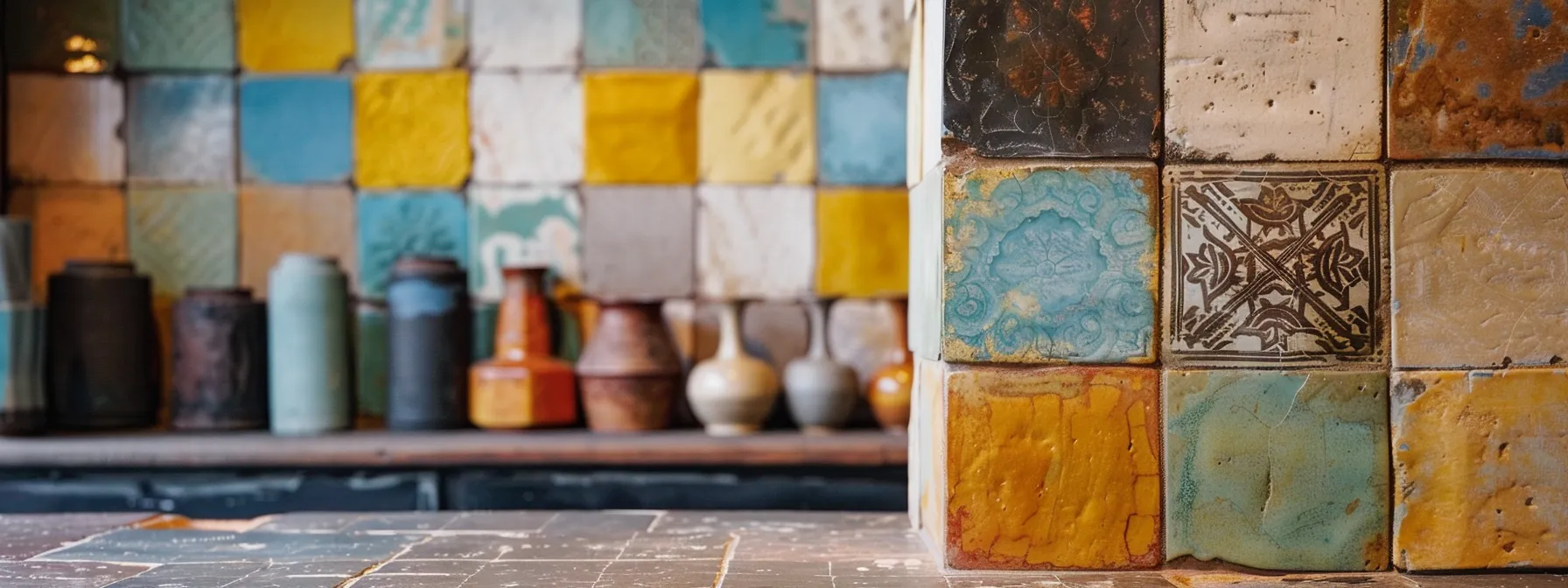
Zellige Tiles are renowned for their handcrafted nature and vibrant, glossy finishes. Originating from Morocco, these tiles are made from non-refined natural clay, which is hand-shaped and glazed in a traditional kiln. This process gives each tile a unique texture and a slightly uneven surface, contributing to their artisanal charm. Zellige Tiles are often featured in mood boards and color palette consultations due to their ability to add character and warmth to any space. Their unique charm includes Zellige Tiles, which can transform a room’s ambiance.
The irregularities in Zellige Tiles are not just aesthetic but also functional. Their non-uniform surface can add depth and a dynamic play of light, especially in areas requiring specific spatial planning. Despite their beauty, it’s important to note that their handcrafted nature can make them more susceptible to chipping under heavy wear, which is a consideration for their durability.
Ceramic Tiles: Composition and Versatility
Ceramic tiles, on the other hand, are mass-produced and made from refined clay that is fired at high temperatures. The result is a hard, dense tile that is more uniform in appearance. These tiles are available in a wide range of colors, patterns, and finishes, making them a versatile choice for various applications in the home improvement industry. Their adaptability is often highlighted in the design development phase and when creating detailed spec sheets.
The durability of ceramic tiles is generally higher than that of Zellige Tiles, primarily due to their consistent manufacturing process. They are less prone to chipping and can withstand high traffic, making them ideal for floors and countertops. Additionally, ceramic tiles often feature a protective glaze that enhances their resistance to stains and moisture, a crucial factor in long-term durability.
Comparative Analysis of Durability in Zellige and Ceramic Tiles
Durability is a critical factor when selecting tiles for home improvement projects. Zellige Tiles, with their artisanal appeal, are best suited for areas where aesthetic value is prioritized over heavy wear. Their handcrafted nature, while beautiful, can lead to more frequent maintenance needs compared to ceramic tiles. In contrast, ceramic tiles are engineered for durability, making them suitable for high-traffic areas.
A recent site analysis revealed that ceramic tiles tend to last longer in environments subject to frequent use, such as kitchens and bathrooms, due to their resistance to chipping and moisture. Nevertheless, the unique look of Zellige Tiles often justifies their use in spaces where visual impact is desired, such as feature walls or in combination with specific FF&E (Furniture, Fixtures, and Equipment) elements.
For those interested in a balance between beauty and durability, exploring Zellige Tiles can offer insights into how these tiles can be integrated into modern design while considering their longevity.
Choosing the Right Tile for Your Space: Zellige vs Ceramic
Deciding between Zellige and ceramic tiles involves evaluating your space’s specific needs and the intended usage of the area. For example, a ceramic tile’s robustness might be more suitable for a high-traffic kitchen, while the unique aesthetic of Zellige Tiles could enhance a living room’s focal point. During the installation schedule, careful consideration of the tile’s intended location and expected wear should guide your choice.
Furthermore, zoning compliance and site-specific factors like humidity and foot traffic should influence your decision. For instance, ceramic tiles offer better performance in areas with high moisture levels due to their water-resistant properties. In contrast, Zellige Tiles can be a unique design statement in less demanding environments.
Conclusion
Selecting between Zellige and ceramic tiles ultimately depends on your design priorities and durability needs. While ceramic tiles provide greater durability and versatility, Zellige Tiles offer unmatched artisanal beauty. For home improvement projects, evaluating these factors against the scope of work and desired aesthetic will ensure a satisfying and long-lasting choice.

This content is brought to you by the FingerLakes1.com Team. Support our mission by visiting www.patreon.com/fl1 or learn how you send us your local content here.