

Trucking keeps the world moving by delivering goods every day of the year. Drivers spend long hours on the road to make sure stores have what people need. The engines inside these trucks are the most critical part of the whole operation.
They must be powerful and tough enough to handle thousands of miles every month. Newer designs are making these trips more efficient and cleaner than they were in the past.
The Growth Of Modern Diesel Tech
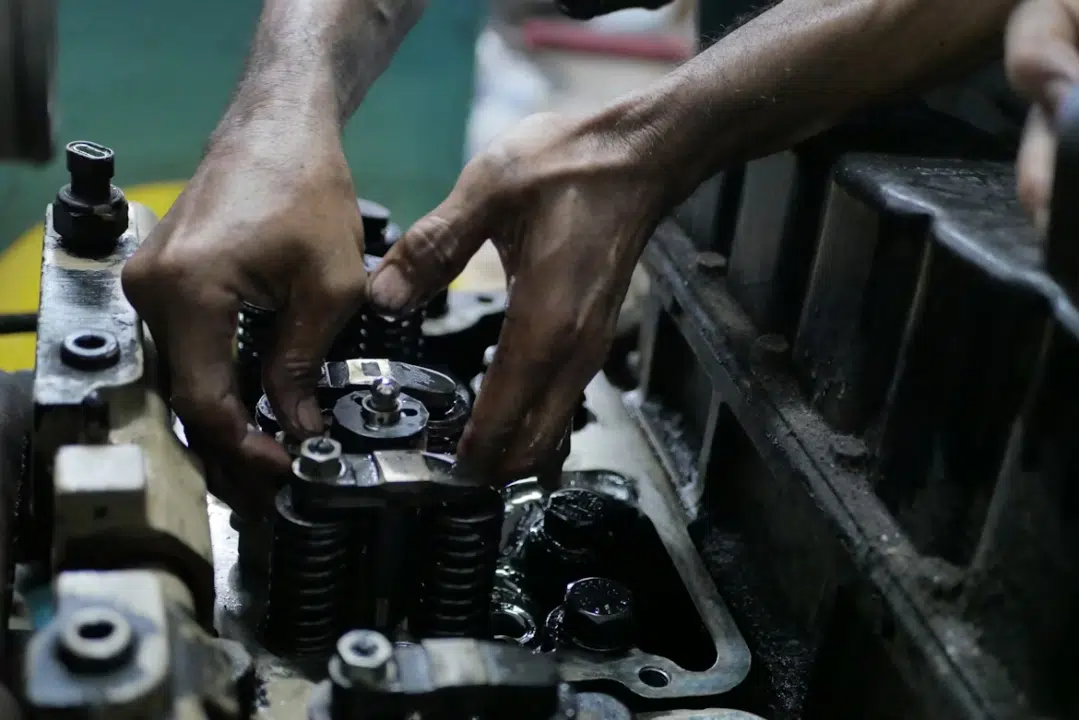
The technology behind heavy-duty engines has changed a lot over the years. Many fleet owners buy remanufactured Cummins engines when they need a reliable replacement that fits their budget. This choice allows them to keep their trucks running without the high cost of a brand-new vehicle.
Mechanics often prefer working on these familiar platforms. The parts are easy to find, and the repair steps are well-known.
Engineers focus on making these machines last as long as possible. A well-maintained engine can run for over 1,000,000 miles before it needs major work.
The materials used today are much stronger than those available 20 years ago. High-tech coatings reduce friction and help the parts stay cool during long hauls.
Legislative Impacts On Freight
The government plays a big role in how these engines are designed and built. A recent project summary from the National Academies notes that fuel use and emissions from heavy trucks are now a main focus of new laws.
Every new model must meet these strict targets to stay on the road. Manufacturers must follow these guidelines to sell their equipment in different states. Meeting these goals requires a lot of testing and expensive research.
It is a long process that starts years before a truck hits the showroom. Engineers spend years perfecting systems that can trap tiny particles before they leave the exhaust.
States are setting their own targets for cleaner transportation. Some areas have much stricter rules than the national average. Staying up to date with these changes is a full-time job for some managers.
Meeting Stricter Emission Targets
The industry is preparing for a new set of rules that will start very soon. A research paper notes that upcoming standards for 2027 are demanding a 90% cut in certain pollutants to reach very low levels. This is a massive shift for the companies that build these power plants.
Small changes to the pistons and valves can make a big difference. These updates help the fuel burn more completely inside the cylinder.
Exhaust systems are becoming more complex to handle these requirements. New filters can catch almost all of the soot that used to come out of the tailpipe. These systems require regular cleaning and care to work correctly.
Technicians are learning how to fix these new parts using specialized tools. Training is a big part of keeping a modern fleet on the road. The engines are now as much about software as they are about metal and oil. Keeping the computers updated is just as key as changing the filters.
Economic Factors In Fleet Management
Deciding which engines to use is a major financial choice for any business. A pricing report from late 2024 showed that specific 400-horsepower ISX models were listed for use in public transit growth.
Fuel costs are usually the biggest part of the budget for a long-haul company. Even a 2% improvement in fuel economy can save $5,000 a year for a single truck. When you multiply that by 100 trucks, the savings become very large. High performance is closely tied to efficiency.
Resale value is another thing that owners think about when picking an engine. Some brands hold their value better than others.
A truck with a reliable reputation is easier to sell when it is time for an upgrade. Having a good history of maintenance makes a huge difference in the final price.
Advanced Engineering Components
Modern engines use a lot of high-tech parts to get the job done. The turbocharger is one of the key pieces of the puzzle. It forces more air into the engine to create a bigger explosion and more power.
Fuel injectors have become much more sophisticated recently. They can spray fuel at incredibly high pressures to make sure it burns completely. Every drop of fuel is used as effectively as possible. The spray pattern is designed to hit the center of the piston exactly right.
- Variable-geometry turbochargers that adjust to different speeds
- High-pressure common rail systems for better fuel delivery
- Hollow camshafts that reduce the total weight of the engine
- Precision sensors that monitor oil quality in real-time
- Advanced cooling systems that prevent overheating on steep hills
- Electric fans that only run when the temperature gets too high
The cooling system is critical for engines that work hard in hot climates. Fans and radiators are now controlled by the computer to save energy. They only run when they are needed to keep the temperature steady.
Future Trends In Transportation
The world of trucking is looking at many different ways to move goods. Some companies are testing engines that run on natural gas instead of diesel. Drivers say these trucks are often quieter than the old diesel models.
Electric trucks are another area of interest for short trips. These vehicles use big batteries and motors instead of an internal combustion engine. They are very quiet and do not produce any exhaust at the tailpipe.
But they are still not ready for the longest trips across the country. Charging times and battery weight are the biggest hurdles for long-distance work.
- Hydrogen fuel cells that provide long range with zero emissions
- Automated driving systems that help reduce fuel waste
- Better aerodynamics for trailers to cut down on wind resistance
- Smart tires that monitor pressure to keep the truck efficient
- Biofuels made from plants that can work in existing engines
- Solar panels on trailer roofs to power the cooling units
Using data is becoming a huge part of being a successful truck driver. Computers can suggest the best speed to drive to save the most fuel. They can look at the weather and the hills ahead to plan the trip.
Reliability In Long Distance Hauls
Drivers need to know that their truck will start every single morning. Being stuck on the side of the road is expensive and dangerous for the driver. Reliability is the main reason why certain engine brands have stayed popular for so long.
Manufacturers put their engines through millions of miles of testing. A reliable engine gives the driver peace of mind during a long trip. No one wants to worry about an engine failure in the middle of a desert.
Good maintenance is the secret to making any engine last. Changing the oil and filters on time prevents small problems from becoming big ones. Mechanics use digital diagnostic tools to find issues before they cause a breakdown.
The future of high-performance engines is all about balance. Companies want power that does not come at the cost of the environment. The progress made in just the last 10 years shows what is possible with smart engineering.

This content is brought to you by the FingerLakes1.com Team. Support our mission by visiting www.patreon.com/fl1 or learn how you send us your local content here.