


I was recently invited to present on Trauma-Informed Care at the West Bloomfield Day of Curiosity 2026.
As I drove from Irondequoit toward West Bloomfield, I found myself rehearsing my opening remarks. I knew I wanted to begin with a land acknowledgment. The church stands on the ancestral lands of the Haudenosaunee. Land acknowledgments are often framed as ceremonial gestures to honor Indigenous peoples—and for some, that is their entire purpose. Some even criticize them as performative, a way to check a box or signal virtue. I understand that critique. But if we are serious about trauma-informed practice, we must do more than gesture politely. We must be honest.
Being honest means recognizing not only the human suffering inflicted upon these lands, but also the trauma the land itself has endured—and its resilience. Trauma-informed care teaches us that trauma is not only individual; it is collective, generational, and environmental. The land carries memory. The land carries scars. And just as we cannot fully support human healing without acknowledging the full scope of pain and endurance, we cannot honor the land without recognizing its suffering and its survival.
During the Sullivan Campaign of 1779, thousands of acres across Haudenosaunee territory were deliberately destroyed. Villages were burned. Orchards were cut down. Fields of corn, beans, and squash—the sacred “Three Sisters”—were annihilated. This was not simply military strategy; it was ecological warfare, designed to sever a people’s connection to food systems, economy, spirituality, and identity. It was an attack on life itself, and the damage resonates centuries later.
Earlier conflicts, including the Beaver Wars, layered additional ecological trauma on this landscape. Millions of beavers were hunted nearly to extinction to feed the European fur trade. Beavers are a keystone species, critical to the health of watersheds. Their disappearance reshaped entire ecosystems: wetlands dried, streams shifted course, and forest landscapes were permanently altered. The violence was not confined to human bodies; it extended to rivers, forests, and the intricate web of life.
Warfare itself left enduring environmental marks. Cannon fire churned and compacted soil, flattening vegetation and altering drainage patterns. Musket balls embedded themselves in the earth, leaving lead residues that could linger for decades, affecting plants, invertebrates, and animals. Black powder and gunpowder residues deposited chemicals in soil and water, subtly altering nutrient balances. Troop encampments trampled vegetation, felled trees for fuel, and sparked fires that reshaped forests. Gunfire, smoke, and deliberate destruction were not isolated human acts—they were assaults on the ecosystems that sustained life, leaving wounds that lingered long after battles ended.
The 19th century brought another wave of ecological devastation, this time through widespread deforestation. Forests were cleared to make way for farms, towns, and railways. Habitat loss, combined with commercial hunting, drove species like the passenger pigeon to extinction. While Native Americans had hunted sustainably for centuries, the arrival of European settlers turned hunting into a commercial enterprise. Pigeon meat became cheap food, and the birds were hunted on an unprecedented scale for decades. Deforestation destroyed their nesting habitats, while overhunting decimated breeding populations. Between 1800 and 1870, the decline was gradual; between 1870 and 1890, it became catastrophic. By 1900, the last confirmed wild passenger pigeon had been shot in southern Ohio. Martha, the final captive individual, died in 1914 at the Cincinnati Zoo. The passenger pigeon’s extinction is a stark reminder that human violence and ecological disruption are inseparable.
These examples show that the land has been a silent witness to centuries of human conflict and exploitation. Its scars are physical, chemical, and biological. Its trauma is real. And yet, like people, the land demonstrates resilience. Forests regrow, wetlands recover, rivers change course but continue to flow. Species adapt, ecosystems regenerate, and life persists even amid profound disruption. Recognizing that resilience is not a token gesture—it is an invitation to act with care, with responsibility, and with humility.
Acknowledging the trauma of the land is not about assigning guilt. It is not about blaming those alive today for centuries of violence. Rather, it is about cultivating responsibility and a sense of stewardship. Trauma-informed practice teaches that healing begins with truthful recognition. The same principle applies to place. When we recognize the wounds carried by the land, we open ourselves to possibilities for restoration, conservation, and sustainable engagement.
Land acknowledgments, when practiced thoughtfully, can evolve beyond ceremony into acts of truth-telling and reflection. They can remind us that our collective history is intertwined with the natural world: that human actions have consequences not only for other humans but for entire ecosystems. The forests, rivers, wetlands, and species that surround us today bear the imprint of that history. They carry memory. They carry loss. They carry resilience.
For example, consider the forests that were burned and cleared during the Sullivan Campaign. Today, some of those lands have regrown. The trees that stand now are not the same as those cut down centuries ago, but they continue to sustain life, stabilize soil, provide shelter for wildlife, and offer a living connection to history. The rivers that shifted due to the Beaver Wars continue to flow. The soils that once absorbed gunpowder and musket residue now nurture new growth. Even in the extinction of the passenger pigeon, we see a lesson about limits, responsibility, and the enduring impact of human choices.
When I shared this perspective with attendees, it was met with deep gratitude. It resonated with something people intuitively understood but rarely had language for. If land acknowledgments are to be more than ceremonial, they must evolve. They must honor not only human suffering but ecological suffering. They must recognize the scars of violence, the consequences of overexploitation, and the enduring resilience of life itself.
The land is not a passive backdrop to human history. It is an active participant, a witness, and, in many ways, a survivor. Its trauma is part of our shared story. Its resilience is a model for hope, teaching us that life persists even after profound disruption. By acknowledging both, we create the conditions for a deeper understanding of trauma, a more honest reckoning with history, and a commitment to act responsibly in the present.
In this way, trauma-informed care extends beyond the individual. It encompasses communities, systems, and the environments that sustain them. It challenges us to see that healing is interconnected: we cannot fully heal ourselves while ignoring the wounds of the land, and we cannot honor Indigenous peoples without recognizing how the land has been affected by centuries of human violence. Acknowledging ecological trauma invites us to participate in restoration, not as saviors, but as responsible stewards. It invites us to listen, to learn, and to act with care.
Ultimately, honoring the land in a trauma-informed way is about truth, responsibility, and resilience. It is about seeing the full story—human and ecological—and allowing that story to guide how we engage with place today. The land, like people, bears witness to suffering. The land, like people, carries scars. And the land, like people, continues to survive, to recover, and to teach us how resilience can take root even in the most damaged soil.


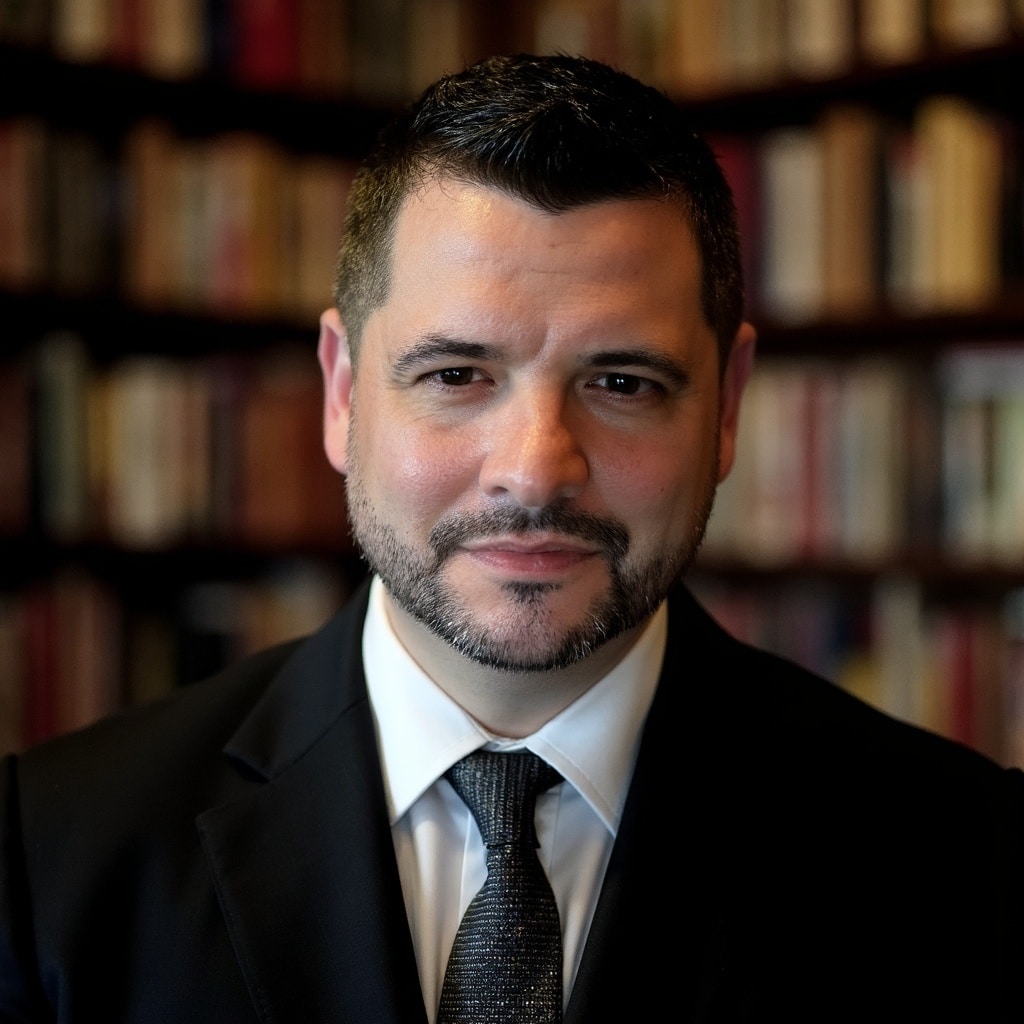
George Cassidy Payne is a Rochester-based nonprofit leader, educator, and advocate for sustainable economic development. With a philosophy and social work background, George has spent over two decades addressing issues of equity, public policy, and crisis intervention. His community development and environmental sustainability expertise informs his commitment to strengthening Rochester’s regional economy.