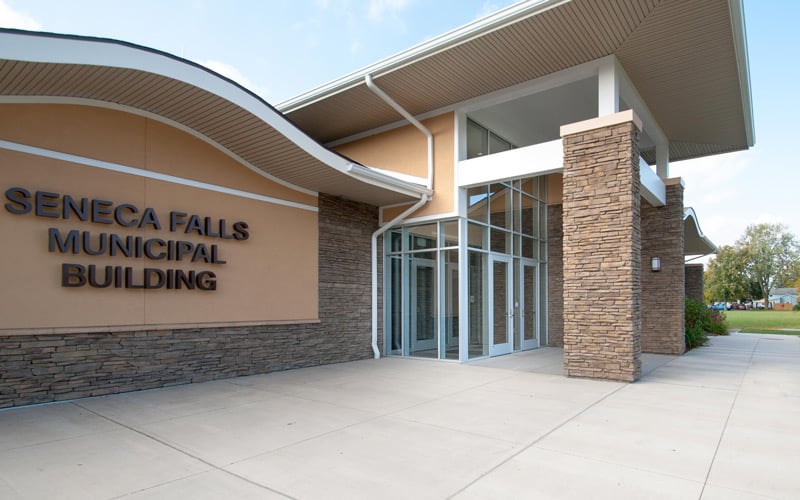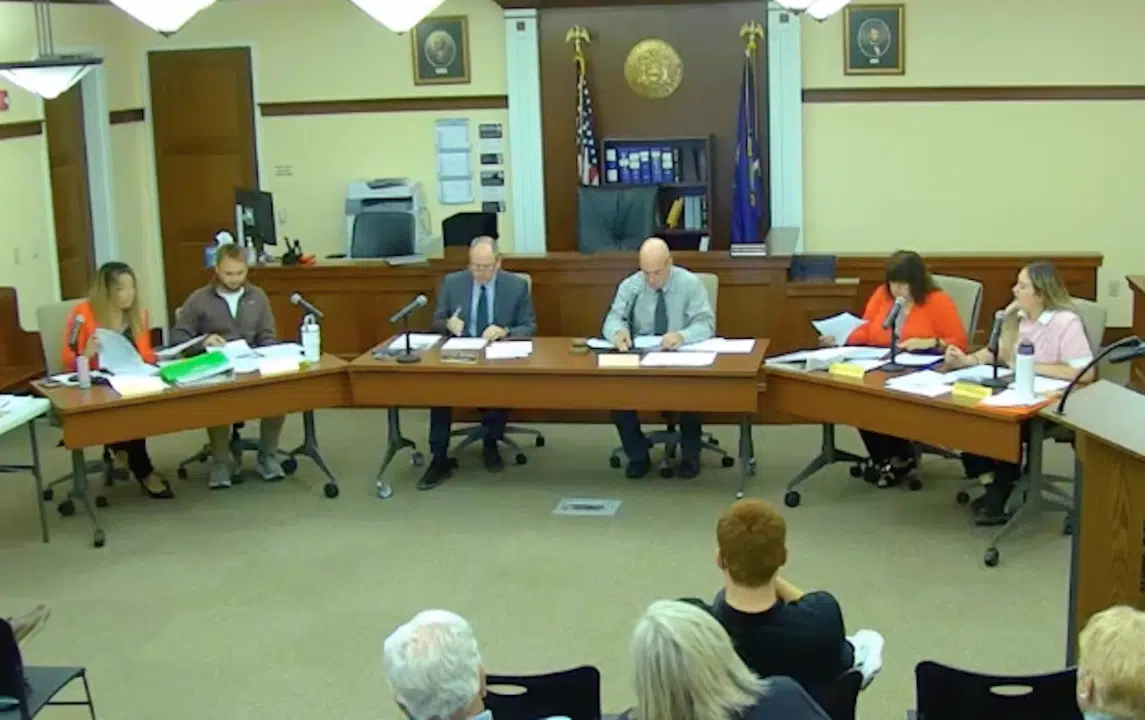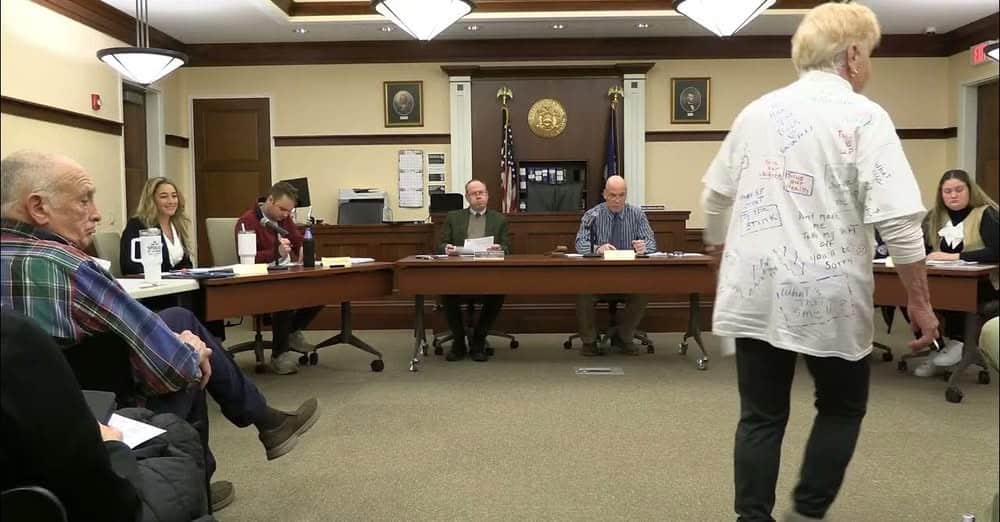
The Seneca Falls Town Board’s February meeting held on Tuesday laid bare three issues that now define the political and financial moment in town government: An 18% tax increase that continues to draw backlash, uncertainty surrounding landfill revenue, and the board’s decision to pursue a forensic financial audit.
While the agenda included dozens of routine resolutions — from equipment purchases to personnel actions — it was those three themes that shaped the tone of the night and exposed clear divisions among electeds and residents.
The 18% tax increase: Who’s responsible? How did we get here?
Residents used privilege of the floor to question how the town landed on what many described as a staggering 18% tax hike.
Several speakers argued that taxpayers were blindsided by the size of the increase and demanded accountability. Questions were raised about fund balance levels, prior budgeting decisions, and whether town leadership acted aggressively enough to avoid the spike.
Supervisor Frank Schmitter pushed back, arguing that he had proposed significant cuts during budget discussions but did not receive enough support from other board members to enact them. He maintained that responsibility for the final tax levy rests with the full board, not solely with the supervisor’s office.
The exchange quickly became tense, with interruptions from the floor and visible frustration on both sides.
At its core, the dispute reflects a broader reality: Seneca Falls is confronting structural financial pressure. Rising costs, staffing demands, and uncertainty over major revenue sources have narrowed the town’s options.
For residents, though, the math is simple — tax bills went up sharply, and they want to know why.
Landfill revenue: Stability or risk?

Landfill revenue emerged as one of the most pointed areas of confusion and concern during the meeting — particularly regarding how it was treated in the adopted budget.
Town officials clarified that landfill revenue was not included as a line item in the adopted 2026 budget. However, the town will be receiving revenue under the newly signed host community agreement with Seneca Meadows. That distinction became central to public frustration: if the board knew revenue would be coming in, residents asked why it was not factored into the budget to potentially offset the tax increase.
Public speakers questioned whether the town is too reliant on revenue from Seneca Meadows, especially given ongoing political and regulatory battles surrounding the landfill’s future. One resident described the situation as losing a “fifth of revenue” if landfill income were to disappear and warned that services could be at risk without a clear contingency plan.
Seneca Meadows District Manager Kyle Black addressed the board directly to counter claims that the company had threatened to withhold payments. He said the town and the landfill signed a new host agreement in late December 2025 and presented a $1 million “success fee” check tied to that agreement.

Black described a revised quarterly payment structure based on tonnage, framing the relationship as stable and contractually sound.
Even with that assurance, the broader financial question remains: why structure a budget without formally incorporating revenue that is expected to be received? Some residents suggested the omission reflects caution in case payments fluctuate. Others see it as a budgeting decision that deserves clearer explanation, particularly given the size of the tax increase.
The larger issue lingers: What happens if landfill revenue changes dramatically — whether due to regulatory shifts, legal outcomes, or operational limits? Even residents who say they are not firmly pro- or anti-landfill are asking for a realistic plan to offset the financial impact if that revenue stream weakens.
For now, the town will receive landfill payments under the new agreement. But the debate underscored just how central — and politically sensitive — that revenue has become.
Forensic audit RFP: Is more scrutiny needed?

The board also voted to move forward with a request for proposals for a forensic financial audit — a step some members and residents view as necessary to restore trust.
Supporters of the audit argued that recent financial missteps, including retirement enrollment errors affecting employees and broader budget concerns, justify a deeper review. They described it as a proactive move to identify weaknesses and ensure stronger internal controls.
Critics questioned whether the town is already paying outside firms for accounting and auditing services and whether a forensic audit would duplicate existing oversight. Others asked whether specific red flags had been identified that warrant the added expense.
Ultimately, the board approved moving forward with the RFP.
The move signals that at least a majority of board members believe additional scrutiny is warranted. Whether the audit uncovers systemic issues or simply confirms that procedures need tightening remains to be seen.
What’s next?
Taken together, the tax hike, landfill revenue treatment, and forensic audit vote reflect a community wrestling with financial uncertainty and public trust.
Residents are asking harder questions about long-term sustainability. Board members are divided over past decisions and future strategy. And the town’s handling of landfill revenue — both politically and in the budget document itself — is now at the center of that debate.
The latest meeting did not resolve those tensions. If anything, it amplified them.
What’s clear is that the coming months — particularly as landfill payments continue under the new agreement and the forensic audit process unfolds — will play a major role in determining how Seneca Falls stabilizes its finances and rebuilds confidence among taxpayers.

FingerLakes1.com is the region’s leading all-digital news publication. The company was founded in 1998 and has been keeping residents informed for more than two decades. Have a lead? Send it to news@fingerlakes1.com.