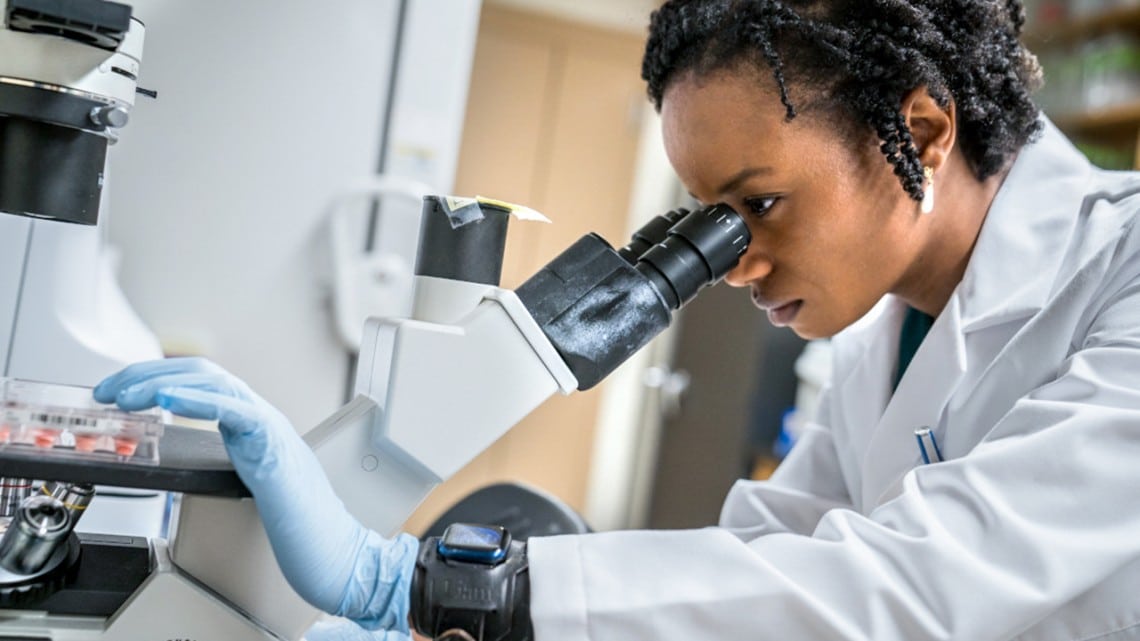
A new research center led by Weill Cornell Medicine and Cornell’s Ithaca campus is aiming to boost trust in autism science — by making sure it’s accurate and reliable.

Backed by a $5.1 million grant from the National Institutes of Health, the Autism Replication, Validation, and Reproducibility (AR²) Center will act as a scientific quality control hub. Its mission: help ensure autism research findings hold up under scrutiny, especially as they guide treatment and policy decisions.
“The AR² Center will serve as a scientific quality control hub for the ADSI teams and projects,” said lead investigator Judy Zhong, chief of biostatistics at Weill Cornell Medicine.
A deeper look at autism science
The AR² Center is one of 13 projects funded through NIH’s $50 million Autism Data Science Initiative (ADSI). The initiative focuses on how genetics, environment, and other factors affect autism risk.
Working with large datasets from sources like Medicaid claims and national research networks, the AR² team will take a three-step approach:
- Replicate the original results reported by ADSI researchers.
- Validate those findings across different patient groups and diagnostic tools.
- Ensure reproducibility by providing detailed documentation so other scientists can confirm the results.
Zhong’s co-leaders include Dr. Rainu Kaushal, senior associate dean at Weill Cornell, and Dr. Conor Liston, a professor of neuroscience and psychiatry.
Building trust through transparency
The project also emphasizes public input. A community advisory board — including parents of children with autism, researchers, and policymakers — will meet regularly with the AR² team to make sure the work reflects patient needs.
“We want patients and their families to be heard,” Zhong said. “We hope to serve as a bridge so that the patient community and policymakers can understand the science.”
Training future researchers
Cornell’s Ithaca campus will play a key role in the project through the Center for Social Sciences (CCSS), which will help replicate results and lead training workshops. Students will get hands-on experience working with real data, reviewing code, and learning what it takes to produce trustworthy science.
“It’s an amazing opportunity for students,” said Peter Enns, director of CCSS and a co-investigator on the project. “Everyone wants reproducible research — we view ourselves as independent evaluators collaborating with ADSI teams to reach that goal.”
The AR² Center officially launches this year and will run for three years, with hopes of expanding its impact far beyond autism science.

FingerLakes1.com is the region’s leading all-digital news publication. The company was founded in 1998 and has been keeping residents informed for more than two decades. Have a lead? Send it to news@fingerlakes1.com.