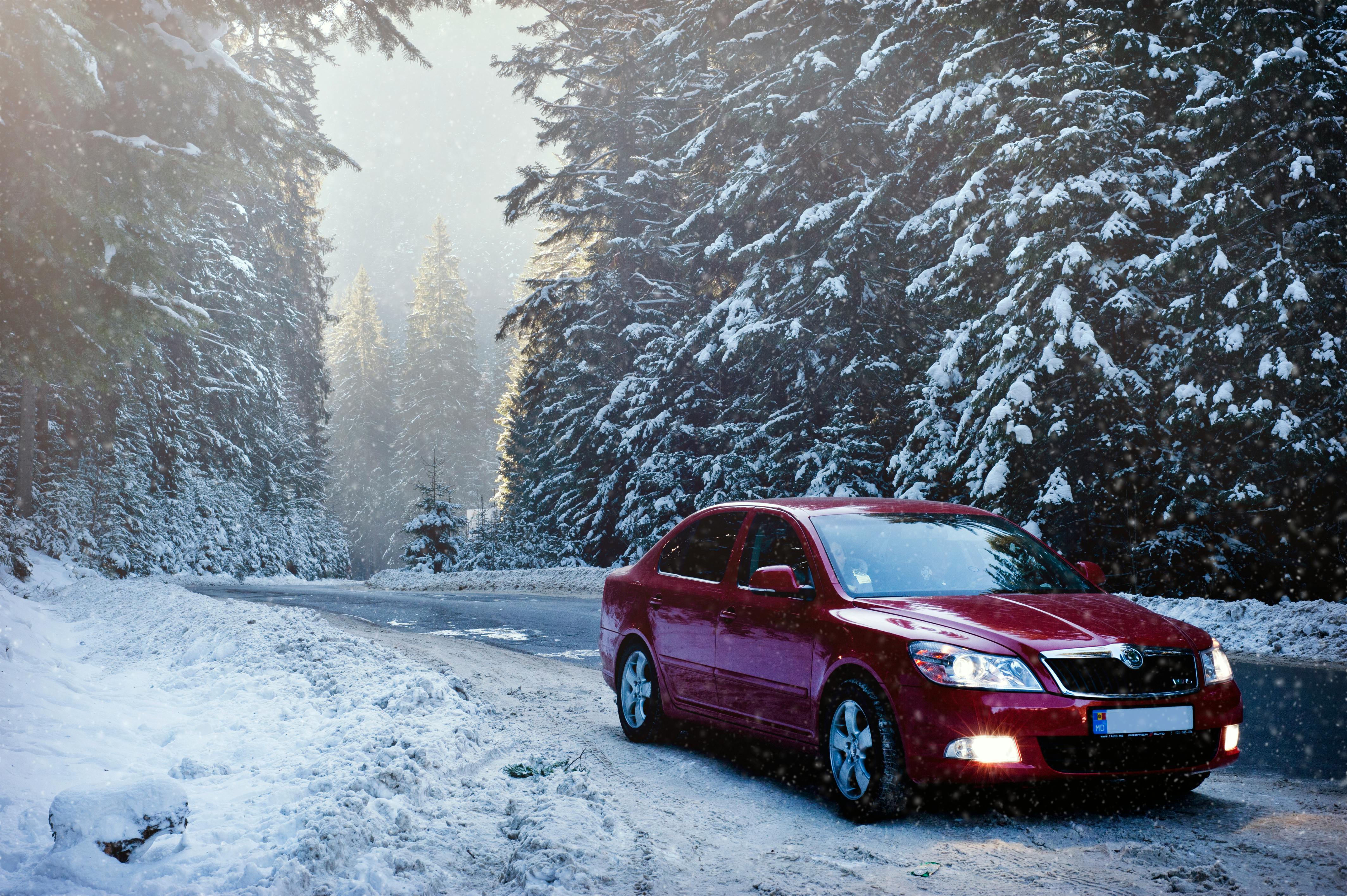
Winter transforms familiar roads into unpredictable terrain. Scenic routes that are easy to navigate in summer can become treacherous by January, with snow, ice, and wildlife crossings creating serious risks.
For residents and travelers alike, knowing what hazards to expect—and how to respond—can make the difference between a safe trip and an unexpected accident.
Why Awareness Matters
Cold-weather driving brings unique challenges wherever temperatures drop. Sudden weather changes, low visibility, and slippery surfaces can turn a routine drive into a stressful situation.
Knowing how to respond calmly can protect both your safety and your legal rights:
- Move to a safe location if possible and call emergency services
- Exchange information with other drivers and take photos of the scene
- Seek medical attention, even for minor injuries, as issues like whiplash or concussions may appear later
- If you’re unsure about the next steps or need guidance on dealing with injuries and claims, it’s wise to call a Los Angeles accident lawyer who can help you navigate the process and ensure your rights are protected
With that in mind, let’s look at five of the most common winter driving hazards and what you can do to stay safe.
1. Lake-Effect Snow Squalls
Snow squalls form quickly when cold air moves over moist air, creating bands of intense, localized snowfall. These bursts can reduce visibility to near zero within minutes.
Prevention tips:
- Check local forecasts before traveling, especially for squall warnings
- Slow down immediately when snow begins to fall heavily
- Use low-beam headlights and maintain extra following distance
2. Black Ice on Bridges and Overpasses
Because bridges are exposed to cold air from above and below, they freeze faster than regular road surfaces. The result is black ice, thin, nearly invisible sheets of ice that can cause sudden skids.
Prevention tips:
- Approach bridges and overpasses with caution, even if roads elsewhere look clear
- Avoid sudden braking or sharp turns
- Keep your steering steady and accelerate gradually
3. Deer at Dusk
Wildlife is a year-round hazard in rural upstate New York, but winter makes deer encounters more likely. Food scarcity pushes animals closer to roads, and shorter daylight hours increase twilight driving, the time when deer are most active.
Prevention tips:
- Scan shoulders and fields when driving near wooded areas
- Use high beams when safe to extend visibility
- If a deer crosses, expect more to follow, so try to avoid swerving suddenly, which can cause a worse accident
4. Steep Rural Grades
Hilly or mountainous terrain can become treacherous in snow and ice. Steep grades make it easy to lose traction going uphill or downhill, especially in less-maintained or rural areas.
Prevention tips:
- Use a lower gear when descending hills
- Carry sand, salt, or traction mats in your vehicle
- Avoid tailgating, since stopping distances are much longer on slick slopes
5. Narrowed Lanes from Snowbanks
After repeated plowing, snowbanks pile up along rural and village roads, narrowing lanes and obstructing sight lines. Passing oncoming traffic can feel tight, and visibility at intersections may be limited.
Prevention tips:
- Approach the narrowed lanes slowly and be prepared to yield
- Allow extra space when meeting large vehicles like trucks or buses
- Inch forward at blocked intersections until you can safely see cross traffic
Final Thoughts
Winter driving anywhere requires patience, awareness, and preparation. By understanding hazards like snow squalls, black ice, wildlife crossings, steep grades, and narrowed lanes, you can reduce your risk on the road. Combine prevention with knowledge of what to do after an accident, and you’ll be better equipped to handle the season’s toughest conditions.

This content is brought to you by the FingerLakes1.com Team. Support our mission by visiting www.patreon.com/fl1 or learn how you send us your local content here.