


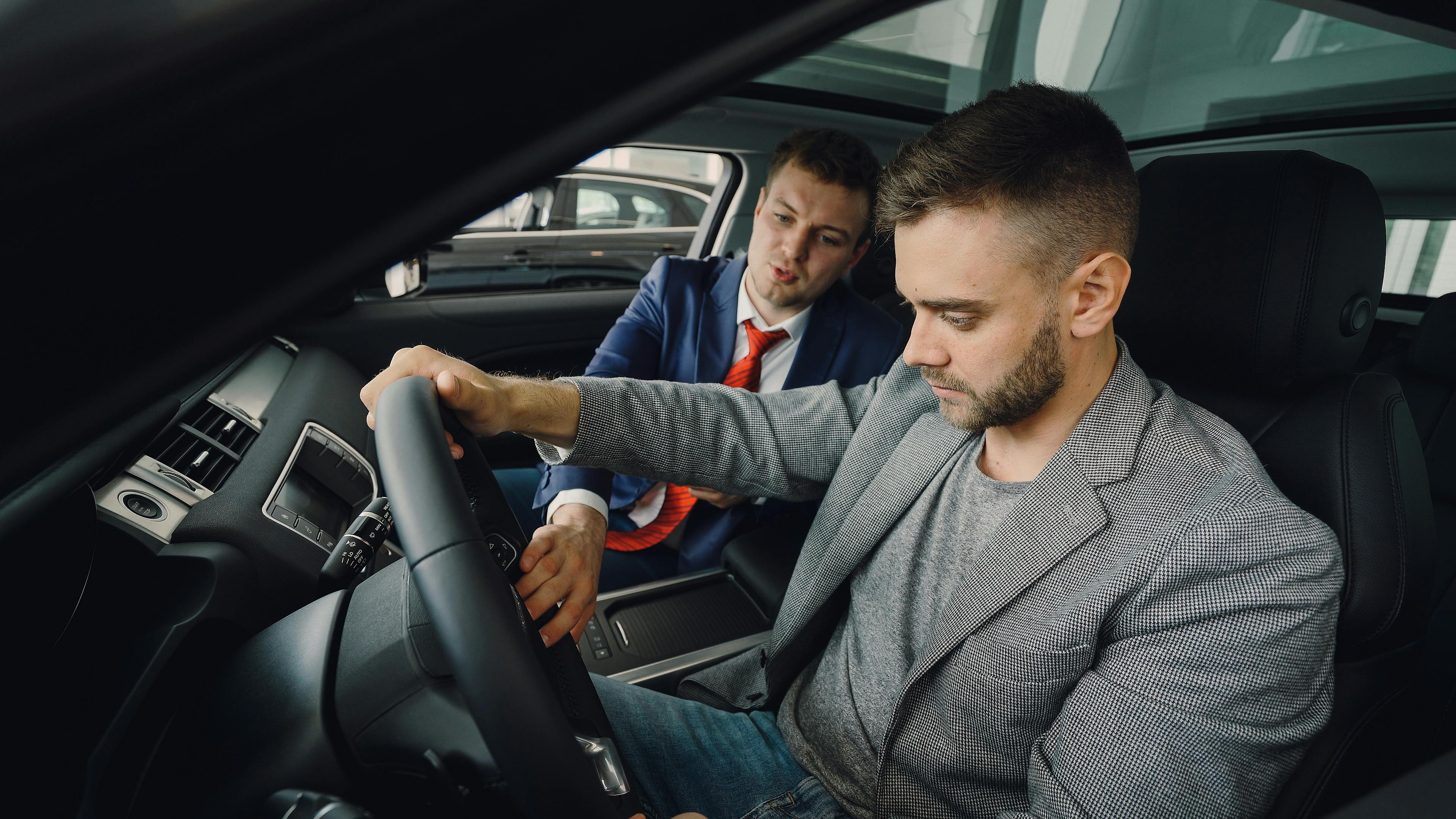
Cars are much safer today than they were a few decades ago. Stronger vehicle frames and better crash testing have all helped protect drivers and passengers. But modern car safety is no longer only about protecting people during a crash. Many new systems are designed to help prevent the crash from happening at all.
In this article, you’ll learn about the latest automobile safety innovations and how they can help you choose a safer car.
What Is Modern Automobile Safety?
Modern automobile safety includes both traditional safety equipment and newer electronic systems.
Traditional safety features include seat belts, airbags, head restraints, and a strong passenger compartment. These features are designed to protect people if a crash happens.
Newer systems focus more on preventing accidents. They use cameras, radar, and sensors to watch the road and the area around the vehicle. Some systems can warn the driver, while others can take limited action, such as braking or making a small steering correction.
These technologies are also no longer limited to expensive luxury cars. Modern safety features can now be found in many everyday vehicles.
If you’re looking for a new car with modern safety technology, you can explore https://www.oldorchardnissan.com/new-vehicles/. You’ll find models for different budgets, all designed with reliability and safety in mind.
How Does Automatic Emergency Braking Work?
Automatic emergency braking, or AEB, is designed to help when a driver does not react quickly enough to a possible collision.
The system uses cameras, radar, or other sensors to watch the road ahead. If the vehicle is getting too close to another car or object, the system can warn the driver.
If the driver does not respond, the vehicle may apply the brakes automatically. Some systems can also detect pedestrians and cyclists.
AEB cannot prevent every crash. Bad weather or blocked sensors can affect how well it works. Still, it can provide valuable extra help in situations where every second matters.
What Does Blind-Spot Monitoring Do?
Every vehicle has areas that are difficult to see in the mirrors. These are known as blind spots.
Blind-spot monitoring uses sensors to detect vehicles traveling next to or slightly behind your car.
If another vehicle enters the blind spot, a warning light often appears in the side mirror. Some systems also give an extra warning if the driver turns on the signal and starts moving toward another vehicle.
Rear cross-traffic alert uses similar technology when backing out of a parking space.
For example, if parked cars block your view, the system may warn you that another vehicle is approaching from the side.
These systems are helpful, but drivers should still check mirrors and look around before changing lanes or reversing.
How Does Lane-Keeping Technology Help?
Lane departure warning systems use cameras to watch the lane markings on the road. If the car starts to drift out of its lane without the turn signal being used, the system can warn the driver.
The warning may appear on the dashboard, make a sound, or cause the steering wheel to vibrate.
Lane-keeping assistance goes one step further. It can make a small steering adjustment to help guide the car back toward the center of the lane.
These systems can be useful on highways, especially during long drives.
However, they may not work as well when lane markings are faded, covered by snow, or difficult to see. Drivers still need to stay focused and keep control of the vehicle.
What Is Adaptive Cruise Control?
Traditional cruise control keeps the car at a selected speed. Adaptive cruise control can also watch the vehicle ahead.
The driver chooses a speed and a preferred following distance. If traffic slows down, the system can reduce the car’s speed. When traffic moves faster again, the vehicle can return toward the selected speed.
Some advanced systems can even bring the car to a full stop in traffic. This technology can make highway driving more comfortable and help maintain a safer distance from other vehicles.
Still, it does not replace the driver. The person behind the wheel must always be ready to brake or steer if needed.
How Do 360-Degree Cameras Improve Safety?
Backup cameras are now common, but many vehicles offer even more advanced camera systems.
A 360-degree camera system uses several cameras placed around the vehicle. Software combines the images to create a view that appears to show the car from above.
This can make parking easier and help drivers see curbs, nearby cars, parking lines, and other objects.
Parking sensors can also warn drivers when they get too close to an obstacle.
Some vehicles can even help with part of the parking process automatically.
These systems are especially useful in tight spaces where it may be difficult to see everything from the driver’s seat.
Can Cars Detect Driver Distraction?
Some newer vehicles can monitor the driver as well as the road. Driver-monitoring systems may use cameras or information about steering behavior to look for signs of tiredness or distraction. For example, the system may notice if the driver is looking away from the road for too long or if driving behavior suggests fatigue.
The car can then show a warning or suggest taking a break. This technology is becoming more important as vehicles gain more driver-assistance technologies. Drivers may sometimes become too comfortable and assume the car can handle more than it really can. Driver monitoring helps remind them to stay involved and pay attention.
How Is AI Being Used in Car Safety?
Artificial intelligence is becoming a bigger part of vehicle safety.
Modern vehicles collect information from cameras, radar, sensors, and other systems. AI can help software understand that information more quickly.
For example, it may help a car tell the difference between another vehicle, a pedestrian, a cyclist, or an object in the road.
AI may also be used in driver monitoring, navigation, maintenance systems, and future automated-driving technology.
The purpose is not simply to add more technology. The goal is to help the vehicle better understand what is happening around it and respond to danger more effectively.
However, AI systems still have limits. Drivers should think of them as support tools, not as a replacement for attention and good judgment.
How Can You Check Which Safety Features Your Car Has?
Many drivers do not know exactly which safety systems are installed in their vehicles.
The owner’s manual is a good place to start. It explains what each system does, how warnings appear, and when the technology may not work properly.
You can also check the vehicle’s dashboard menus and settings. Some cars allow drivers to change warning sensitivity, following distance, or lane-assistance settings.
It is also important to understand dashboard warning lights. A light may mean a system has been switched off, a sensor is blocked, or a feature is temporarily unavailable.
Tesla buyers and owners should also pay attention to how electronic safety features work in an emergency. Recent concerns about door safety have raised questions about electronic door systems and how passengers can exit a vehicle if power is lost.
What Are Some Practical Ways to Improve Road Safety?
Technology can help, but safe driving still depends heavily on the person behind the wheel.
One of the most important things drivers can do is avoid distractions. Looking at a phone for even a few seconds can take attention away from traffic and reduce reaction time.
Drivers should also leave enough space between vehicles. More distance gives you more time to react if the car ahead stops suddenly.
Vehicle maintenance is also important. Tires should have enough tread and the correct pressure. Brakes should be inspected when needed, lights should work correctly, and the windshield should provide a clear view.
Seat belts should always be used, even in cars with advanced safety technology.
Speed also matters. The posted speed limit may not always be safe in rain, snow, fog, heavy traffic, or poor visibility. Drivers should adjust their speed to actual road conditions.
Road design can also improve safety. Clear lane markings, good lighting, safer intersections, visible pedestrian crossings, and better bicycle infrastructure can all reduce risk.
The best road safety comes from a combination of safer cars, responsible drivers, good maintenance, and well-designed roads.

This content is brought to you by the FingerLakes1.com Team. Support our mission by visiting www.patreon.com/fl1 or learn how you send us your local content here.