

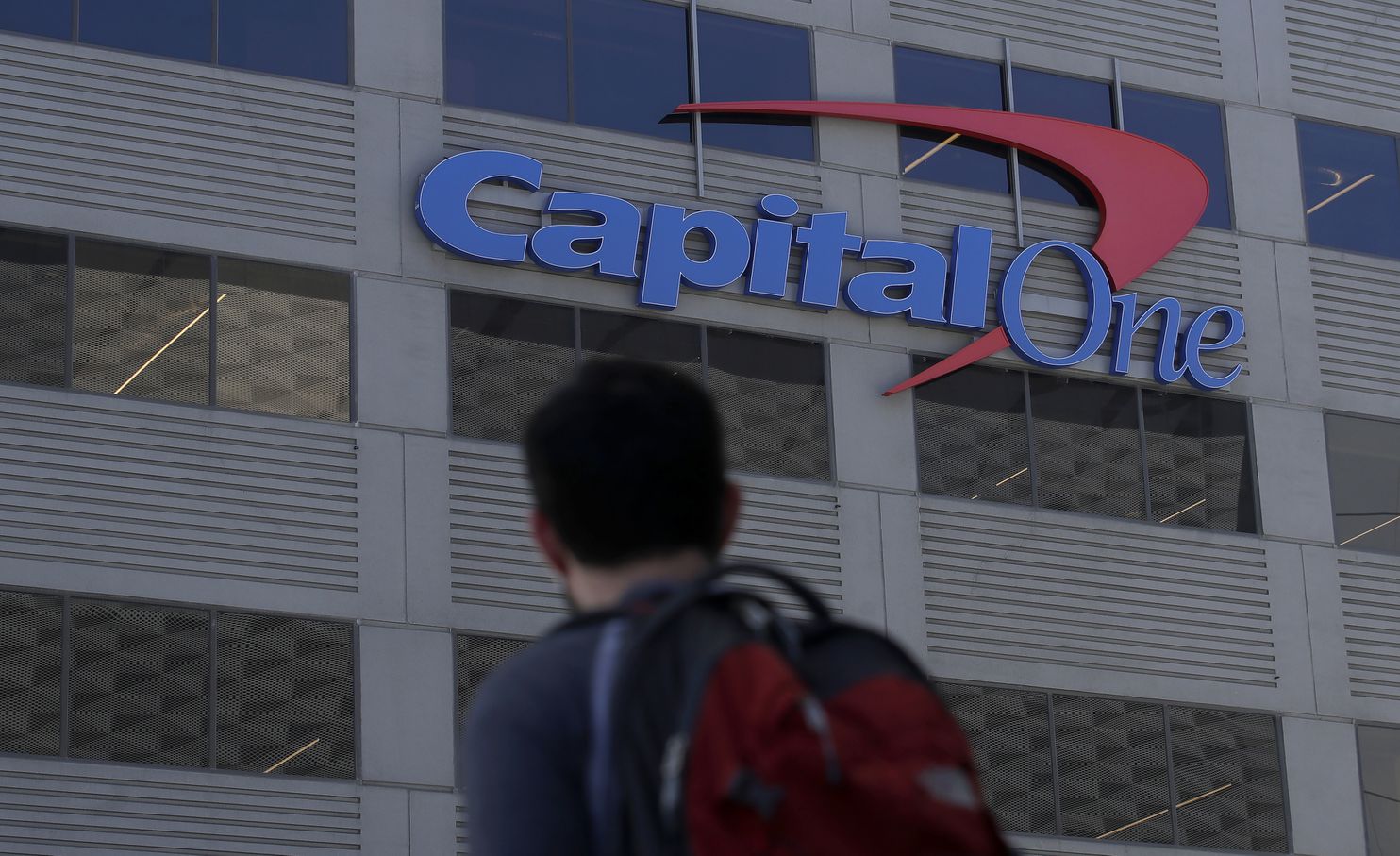
A proposed settlement over Capital One’s alleged bait-and-switch savings account scheme is under fire from 18 state attorneys general, who say the deal shortchanges millions of customers and lets the bank off the hook for more than $2 billion in unpaid interest.
Led by New York Attorney General Letitia James, the bipartisan coalition filed an amicus brief urging a federal court to reject the proposed class action resolution, which would give customers modest payouts but allow Capital One to keep the bulk of the money it allegedly owes.
Why AGs say the Capital One settlement is unfair
The issue stems from how Capital One marketed its 360 Savings accounts as “high interest” products offering some of the nation’s best rates. But while rates rose sharply nationwide beginning in 2022, Capital One kept its 360 Savings interest rates low.
Instead, the bank introduced 360 Performance Savings—a nearly identical account that offered rates up to 14 times higher.
According to the lawsuit filed by AG James in May:
- Capital One’s actions misled customers and allowed the bank to avoid paying billions in interest.
- The proposed $125 million class action settlement would still leave most customers underpaid and uninformed.
- The deal includes no requirement that Capital One change its behavior or stop the dual-rate practice.
What customers would get under the settlement
Under the proposed deal:
- Customers still holding 360 Savings accounts would get $125 million in total additional interest.
- However, Capital One would still keep over $2 billion it would have paid if all customers had earned the 360 Performance rate.
- On average, affected customers lost over $717 in interest. Under the deal, they’d receive less than $54 in direct compensation.
Attorney General James said the settlement “lets Capital One off the hook” and “fails to deliver real accountability.”
Settlement could block further restitution efforts
Adding to the controversy, Capital One has argued that the settlement should block the states’ own legal actions, including the New York Attorney General’s lawsuit.
The AG coalition strongly disagrees, calling the move an attempt to use a private agreement to undermine public enforcement.
The attorneys general argue that the class action would:
- Prevent fair restitution for millions of customers.
- Allow Capital One to continue deceptive practices.
- Undermine states’ ability to protect consumers going forward.
States taking a stand
The amicus brief was filed by attorneys general from:
- New York, California, Illinois, Maryland, New Jersey, Ohio, and 11 others
- The effort reflects bipartisan concern over the settlement’s fairness and long-term impact.

This content is brought to you by the FingerLakes1.com Team. Support our mission by visiting www.patreon.com/fl1 or learn how you send us your local content here.