

Senate Minority Leader Chuck Schumer is demanding the Trump administration reverse a 91% cut to anti-fentanyl programs as overdose deaths surge and China’s role in the synthetic drug trade remains a top concern.
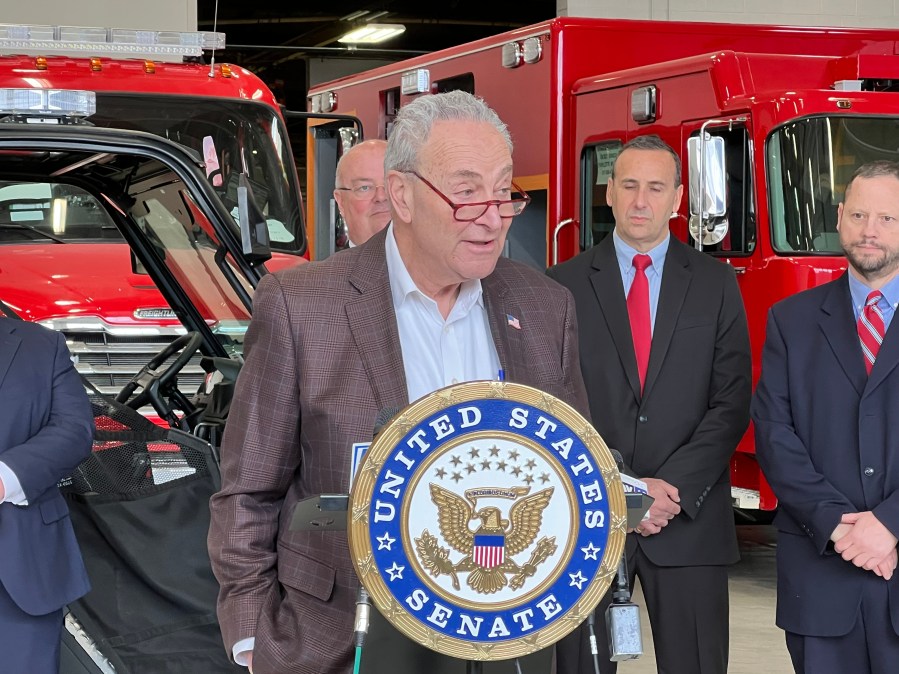
On May 20, 2025, Schumer sent a letter to Secretary of State Marco Rubio and Treasury Secretary Scott Bessent urging the administration to fully fund the State Department’s International Narcotics Control and Enforcement programs. These programs play a critical role in curbing the global fentanyl trade — especially the flow of precursor chemicals from China.
“Fentanyl is a scourge on American communities,” Schumer wrote. “Slashing funds that directly combat this crisis while claiming to be tough on China is not just hypocritical — it’s reckless.”
What’s behind the criticism?
The Trump administration’s proposed budget for fiscal year 2026 would cut 91% of funding to the State Department’s narcotics control programs, even as fentanyl remains the deadliest drug threat in the United States.
According to Schumer:
- The cuts undermine diplomatic and law enforcement efforts to stop the flow of fentanyl precursors from China.
- U.S. communities are suffering while China-based companies continue exporting chemicals used to manufacture synthetic opioids.
- A failed trade war has done little to curb the fentanyl crisis but has damaged key alliances and diplomatic tools.
A call for stronger action against China
Schumer outlined several specific steps he urged the administration to take in its dealings with China:
- Increase law enforcement pressure on Chinese chemical suppliers, online marketplaces, and traffickers.
- Schedule more precursor chemicals under Chinese law to align with international standards.
- Crack down on illicit financial networks used to move money tied to the fentanyl trade.
He emphasized that progress is possible, noting that after a 2023 Senate delegation trip to China — led by Schumer — the PRC took modest steps including:
- Launching a U.S.-China counternarcotics working group
- Issuing compliance notices to chemical companies
- Beginning joint law enforcement actions with the U.S.
- Scheduling 46 synthetic drugs and three key fentanyl precursors
Still, Schumer warned that these efforts fall short of what’s needed to stem the tide of overdose deaths in the U.S.
The bigger picture: national security and public health
Schumer framed the fentanyl crisis not just as a domestic health emergency, but as a failure of foreign policy under the Trump administration.
He criticized Trump’s China strategy as incoherent and ineffective:
- No tangible concessions from Beijing on drug enforcement
- Undermined U.S. diplomatic power by cutting international aid and soft power institutions
- Hurt American innovation by slashing research, driving talent away, and allowing key technologies to slip abroad
“The Trump administration is actively undercutting the very tools that could keep Americans safe,” Schumer said.
What’s next?
With overdose deaths still climbing, Schumer vowed to keep pressure on both the executive branch and Congress to take serious action:
“This is an all-hands-on-deck moment. Congress must keep pushing forward on bipartisan solutions while the administration uses every diplomatic lever it has.”
Among legislative priorities is continued enforcement of the FEND Off Fentanyl Act, passed in the previous Congress, which provides new tools to target the financial networks behind the fentanyl trade.

This content is brought to you by the FingerLakes1.com Team. Support our mission by visiting www.patreon.com/fl1 or learn how you send us your local content here.