


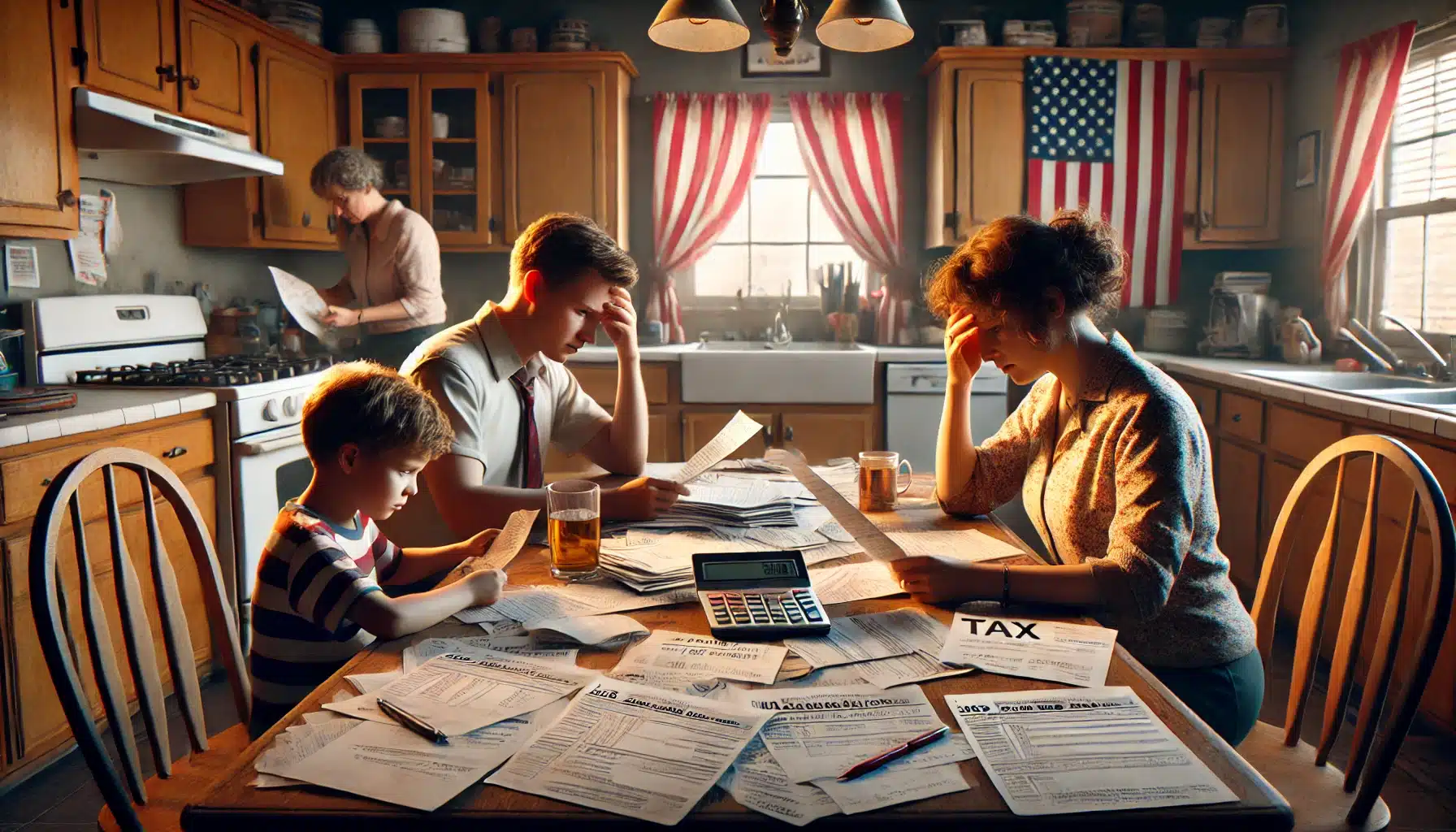
58% believe lower-income people pay too much; and 70% say corporations don’t pay enough
A growing number of Americans no longer believe the federal income tax system is fair. A new Gallup survey shows just 46% say their taxes are fair, only one point above the lowest level ever recorded.
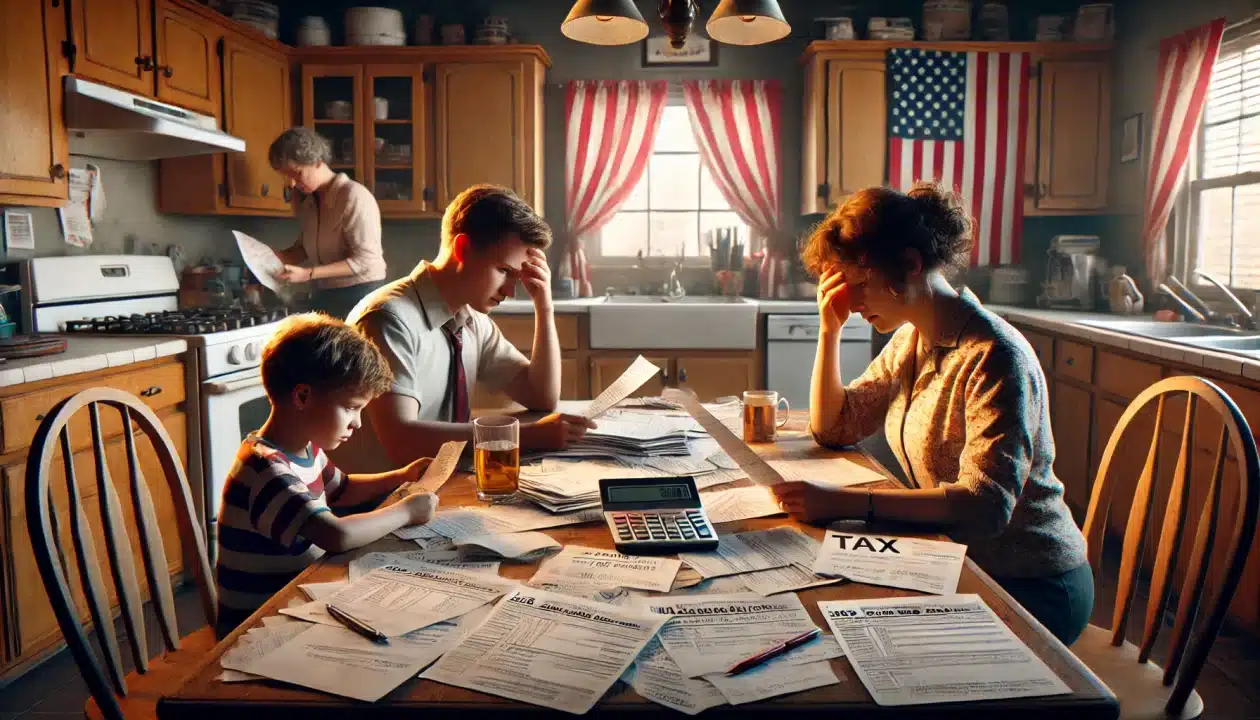
This marks a significant decline from 2022, when a slim majority still considered their tax burden fair. Historically, that figure hovered between 60% and 64% during the early 2000s. The last time public sentiment was this low was in 1999 — during the dot-com boom, despite budget surpluses.
The drop in perceived fairness is likely tied to inflation, higher prices, and a growing partisan divide over tax policy. It may also reflect concerns about who benefits from tax reforms, with many Americans feeling squeezed despite strong economic indicators.
Key Findings from Gallup’s 2025 Tax Survey
- 46% say their federal income taxes are fair, 50% say unfair
- 59% say they pay too much in federal income tax
- 58% believe lower-income people pay too much — a record high
- 54% say middle-income earners also pay too much
- 70% say corporations don’t pay enough
- 58% believe upper-income Americans pay too little — a decline from past highs
“Public frustration around tax fairness has become a persistent issue,” said Gallup’s Jeffrey M. Jones. “And it transcends income — Americans across all income brackets feel the system is broken.”
Partisan Divide Over Tax Fairness Reaches New Heights
The Gallup data shows a sharp contrast between political affiliations:
- 62% of Democrats say their taxes are fair
- Only 35% of Republicans feel the same — matching their all-time low
- Just 45% of independents believe their taxes are fair
These splits reflect how views of tax fairness correlate more with the party in power than with actual income levels. Republicans were far more likely to feel their taxes were fair under a GOP president, while Democrats have remained mostly steady regardless of who’s in the White House.
Taxes Seen as Too High — But Not Just for the Wealthy
The Gallup poll found that 59% of Americans say they pay too much in federal income tax, nearly matching long-term historical highs. Even in the booming postwar years of the 1950s, majorities felt overtaxed — including a record 71% in 1952.
But more revealing in 2025 is who Americans think bears too much of the burden:
- 58% say lower-income people pay too much
- 54% say middle-income people pay too much
- Only 12% think upper-income people pay too much
- 70% say corporations pay too little
“The idea that the rich and large corporations are getting a better deal is baked into public opinion,” said Jones. “But now, more Americans than ever also believe the poor are unfairly burdened.”
Trump-Era Tax Cuts Loom Over 2025 Debate
Many of the Trump-era tax cuts passed in 2017 are set to expire this year, and debate is intensifying over whether to extend them. Former President Donald Trump and Republican lawmakers have pushed for an extension — making it a central campaign and policy priority.
However, Gallup’s findings suggest that Americans may not back blanket extensions — especially if the cuts largely benefit upper-income earners and corporations. While people support lower personal taxes, they remain wary of reducing tax burdens for the wealthy.
Would New Tax Cuts Win Public Support? It’s Complicated.
Even if taxes are reduced across the board, rising prices could cancel out any savings. With Trump’s newly announced tariffs expected to raise consumer prices, Americans might not feel relief even if their tax bill shrinks.
Meanwhile, most Americans — regardless of income — continue to say corporations and the wealthy should pay more. That leaves Congress with a politically delicate challenge: How do you lower taxes for voters without making the system feel even less fair.
Bottom Line Questions
Are most Americans happy with their federal income taxes?
No. Only 46% say their taxes are fair, while 59% say they pay too much.
Who do Americans believe pays too much in taxes?
Most people say lower- and middle-income earners are overburdened. A majority also say wealthy individuals and corporations pay too little.
Do views on tax fairness differ by income?
Surprisingly, no. The Gallup data shows political affiliation is a stronger predictor of tax perceptions than income level.
Will tax cuts fix Americans’ views of the system?
Maybe temporarily — but if inflation and tariffs continue driving up prices, even lower taxes may not improve public sentiment.

This content is brought to you by the FingerLakes1.com Team. Support our mission by visiting www.patreon.com/fl1 or learn how you send us your local content here.