

Do I Need to File a Tax Return in 2025?
With Tax Day 2025 approaching on April 15, many Americans are asking: “Do I need to file taxes this year?” The answer depends on your income, age, filing status, and self-employment income.
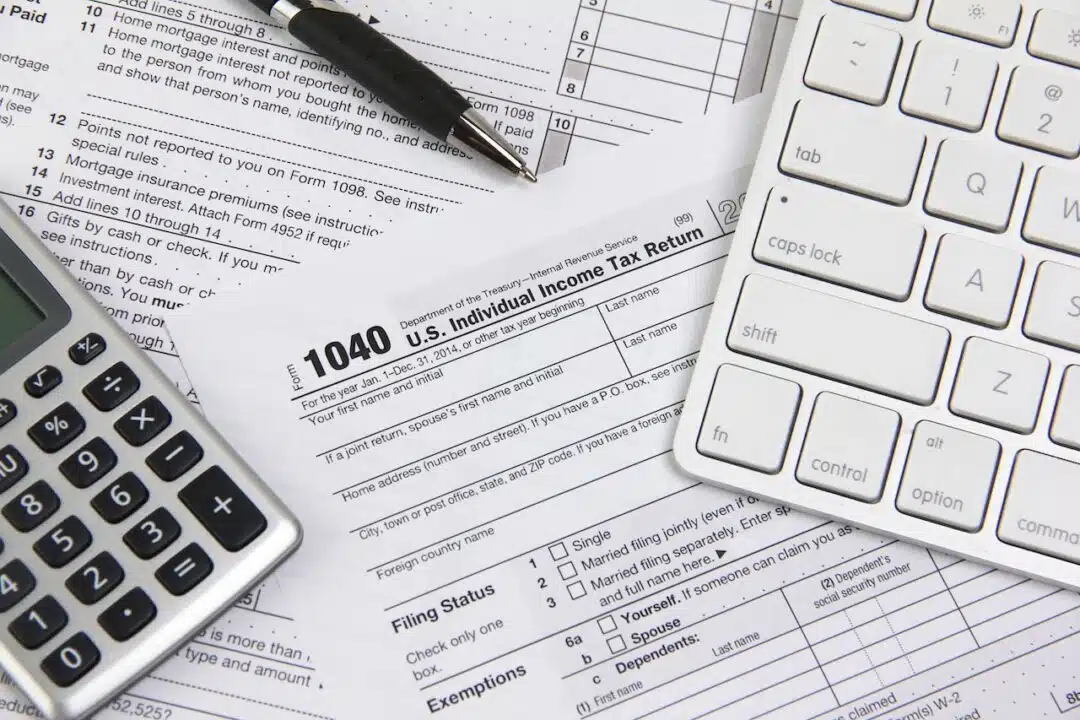
Most U.S. citizens or permanent residents who earn income must file a tax return, but there are some exceptions.
Here’s how to know if you’re required to file — and why you might want to file even if you’re not.
IRS Income Thresholds: Who Must File in 2025?
The IRS requires you to file a federal return if your gross income meets or exceeds the limits shown below:
If You’re Under Age 65
| Filing Status | File if Gross Income Is Over |
|---|---|
| Single | $14,600 |
| Head of Household | $21,900 |
| Married Filing Jointly | $29,200 (both under 65) |
| Married Filing Jointly | $30,750 (one spouse 65+) |
| Married Filing Separately | $5 |
| Qualifying Surviving Spouse | $29,200 |
If You’re Age 65 or Older
| Filing Status | File if Gross Income Is Over |
|---|---|
| Single | $16,550 |
| Head of Household | $23,850 |
| Married Filing Jointly | $30,750 (one 65+) |
| Married Filing Jointly | $32,300 (both 65+) |
| Married Filing Separately | $5 |
| Qualifying Surviving Spouse | $30,750 |
Self-Employed? You Likely Need to File
If you made more than $400 in net self-employment income — even from side gigs or freelance work — you’re required to file a return, no matter your total income.
Dependents: Special Rules Apply
If someone can claim you as a dependent in 2024, the rules are different. You may need to file if you have:
- Unearned income (like interest or dividends) over $1,300
- Earned income over $14,600
- Gross income above certain IRS thresholds based on your age and type of income
Example: A single dependent under 65 with $1,400 in unearned income must file a return.
Blind or Older? Higher Filing Limits Apply
If you’re blind or over age 65, you get a higher standard deduction, meaning your required income threshold to file is also higher.
Should You File Even If You Don’t Have To?
Yes — in many cases, you should file even if you’re not required. Here’s why:
- You might get a refund of taxes withheld from your paycheck
- You may qualify for refundable tax credits, like:
- Earned Income Tax Credit (EITC)
- Child Tax Credit
- American Opportunity Credit
- You made estimated tax payments and may be due a refund
IRS Tools: Not Sure? Use the Online Quiz
Still not sure if you need to file? The IRS offers an online tool to help you decide. You can answer a few questions to determine if you need to file based on your situation.
🔗 Start here: IRS “Do I Need to File?” Tool
Bottom Line: Know Before Tax Day
If your income is above IRS thresholds—or you had self-employment income over $400—you need to file taxes by April 15, 2025. Even if you don’t have to, filing could mean money back in your pocket.

This content is brought to you by the FingerLakes1.com Team. Support our mission by visiting www.patreon.com/fl1 or learn how you send us your local content here.