

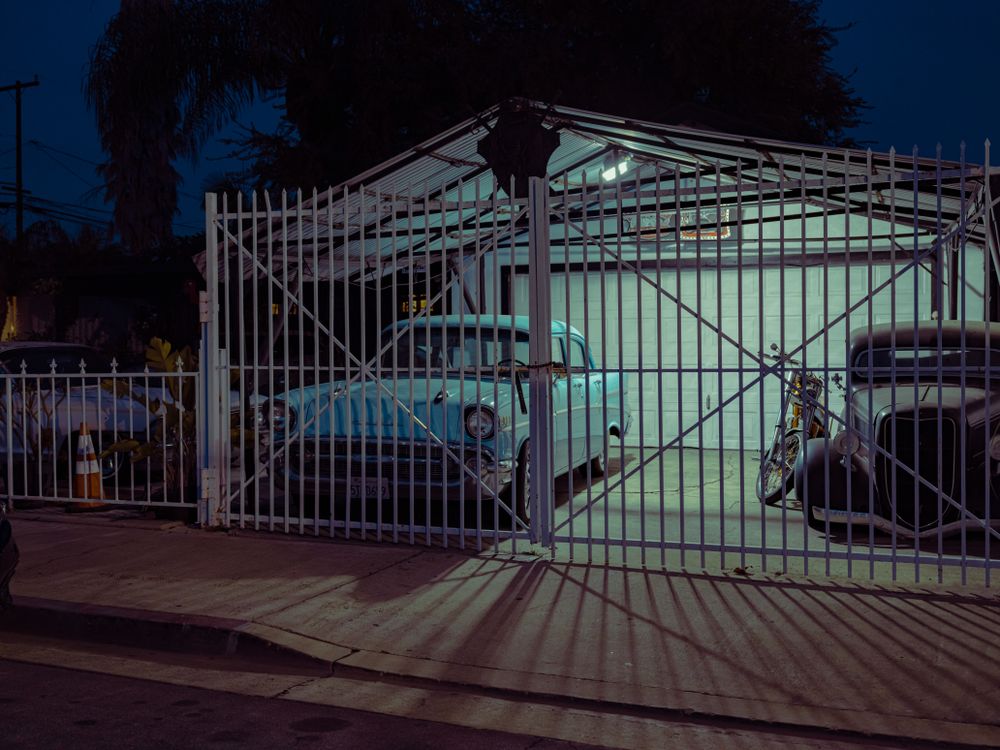
Not all homes come with a garage, especially those that are situated on larger plots of land. For this reason, many vehicles are left unprotected and exposed to the elements which can lead to a shorter lifespan for those cars. Installing a carport on your own has many benefits including providing shelter for your car, creating additional outdoor space, and even increasing your property value if you ever look to sell.
However, embarking on a DIY carport build is not for the faint of heart and requires much patience, dedication, and expertise. It will involve various steps including site preparation, construction, framing, roofing, and more. This effort will be rewarded by a deep satisfaction in building something yourself and saving more money as compared to hiring a professional for the whole job. Below are the important steps to be aware of when building your carport:
Planning Your DIY Carport
The first step in getting your carport build complete is actually planning the build yourself. This is crucial to understanding how to maintain the quality of your carport as well as it gives you the background of how it will be constructed and the materials used:
- Determine the size and location: Consider the dimensions of your vehicles, the available space in your yard, and any zoning restrictions that may be applicable based on your area.
- Choose the appropriate materials: Evaluate the pros and cons of different materials, such as wood, metal, and fabric, based on factors like durability, your budget, and aesthetics.
- Obtain any necessary permits and approvals: Check with your local building department or city to determine if you need permits for a carport and any specific requirements in your area.
- Set a budget and timeline: Estimate the costs of materials, tools, and labor to create both a realistic timeline and budget for completing the project.
Site Preparation 101
Once you have planned out all the finer details of your carport build, it’s time to get the site ready for the project. Start by clearing your intended site and remove any debris, plants, or other obstacles that may cause a problem with the construction. Also, level the ground to ensure it is stable for the installation of the foundation. Once your foundation area is level, get some wooden steaks and string to outline the dimensions of the carport. The purpose of this is to help you envision the sizing so that you know if you need to adjust the size of the site at all before you begin building.
Beginning the Foundation Construction
The foundation of your carport is arguably the most important part of the entire building process. Start by assessing different foundation types based on the conditions of the soil it will be built around along with the estimated weight of your carport. This will help you determine how strong of a foundation you will need (e.g., concrete footings, piers) along with the materials you will need. To prepare the foundation area, dig holes for the footings or piers and then consider adding gravel or sand for drainage to avoid moisture damage.
Once your foundation is prepared, follow the manufacturer’s instructions to a tee for pouring concrete or installing piers. This is the part where professional services may be needed most, so don’t hesitate to reach out to accredited help. Finally, always allow the foundation to cure before proceeding. Whether you’re building a countertop or carport, concrete takes around 28 days to fully cure, so be sure to factor this into your timeline if you use this material.
Framing Your Carport
Once the foundation of your carport is assembled, you will need to build something for your roof to sit on: the frame. Most people opt to use wood for the frame of their carport but you can certainly choose to use metal or concrete if you are using a heavier roof, such as one comprised of solar panels. Regardless, below are the following general steps required for framing your carport:
- Cut and assemble the framing members: Use a saw, or metal cutter, to cut the material to the appropriate lengths and join them together using nails or screws.
- Stand the main posts and rafters: Install the main posts vertically and secure them to the foundation, then attach the rafters to the top of the posts.
- Consider adding cross bracing for stability: Install cross bracing between the posts and rafters, running the entire length of the frame, to provide additional support.
Installing the Roof of Your Carport
Once both the foundation and frame are set, it’s time to choose the type of roof you want your carport to have. Consider factors such as durability, cost, and aesthetics when making this choice. Solar carports have been growing in popularity, due to their ability to both protect vehicles and provide a home with energy, but solar is far more expensive than alternatives such as wood or even metal. Regardless, pick a material that suits your needs most.
Follow the manufacturer’s instructions for installing the roofing material so that you can ensure proper sealing to prevent leaks, as this would defeat the purpose of the carport. After attaching the pieces of the roof and securing the structure to the frame, inspect the roof for any gaps or leaks and seal them as needed.
Finishing Touches to Consider
At this point, you have a fully assembled carport. Consider adding additional features such as gutters and drainage, storage options, a garage door, and more to increase the safety and functionality of your carport. During the DIY build, only use proper tools and equipment, and always be sure to dress for the occasion so that you don’t get hurt during the build. Follow any and all safety guidelines and regulations, especially when working with power tools, and you’ll manage to keep yourself safe while building an excellent and functional carport for your vehicle(s).
Embark on your DIY journey today
With all of the above learned, you are ready to begin building your very own carport. Try to remember, though, that saving money is never an excuse for overlooking safety. If you are out of your depth during part of your DIY carport build, reach out to accredited professionals who can help you cross the hurdle. Taking a hybrid approach to the DIY project and allowing professionals to handle the most difficult tasks is never a bad choice as it can help ensure the longevity of your carport structure.

This content is brought to you by the FingerLakes1.com Team. Support our mission by visiting www.patreon.com/fl1 or learn how you send us your local content here.