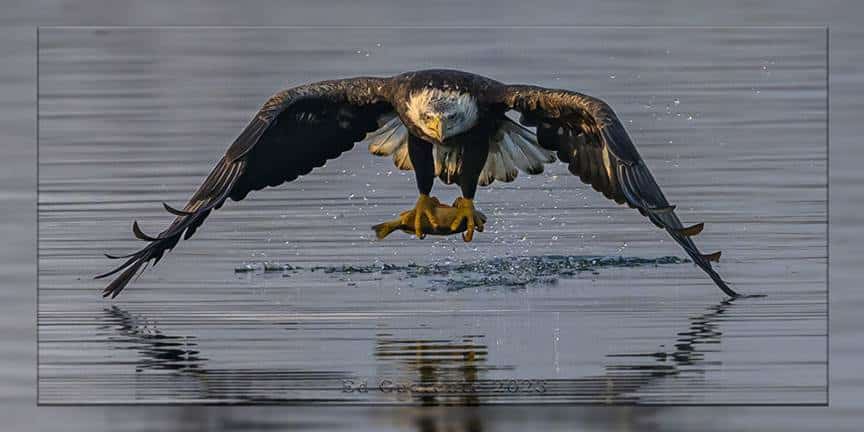
Bald eagles are the most vulnerable to lead poisoning among the more than 30 species of birds and mammals scavenging deer carcasses in New York, according to new research from Cornell University. The study, conducted by the Cornell Wildlife Health Lab and the New York State Department of Environmental Conservation (DEC), identified bald eagles as key bioindicators for monitoring lead contamination in the environment.

Researchers reviewed game camera images to identify scavengers of white-tailed deer and found that bald eagles, which often consume fragments from lead bullets used by hunters, are especially at risk. The study determined that lead poisoning has slowed bald eagles’ population growth in New York by 5%, with nearly 40% of eagles exposed to toxic levels of lead.
The findings, published in the Journal of Wildlife Management, support ongoing efforts to encourage hunters to use non-lead ammunition. The DEC has introduced a rebate program to promote safer alternatives and has incorporated lead awareness into hunting education courses.

FingerLakes1.com is the region’s leading all-digital news publication. The company was founded in 1998 and has been keeping residents informed for more than two decades. Have a lead? Send it to news@fingerlakes1.com.