

Sports are evolving at a rapid pace, driven by the latest technological innovations that are reshaping how athletes train, compete, and engage with their fans. From the field to the stadium, technology is making a significant impact, offering new tools and insights that push the boundaries of athletic performance and fan experience.
Whether it’s through advanced wearables that track every movement or immersive virtual reality that simulates game scenarios, the integration of these technologies is transforming the way we understand and experience sports.
Emerging technologies are revolutionizing modern sports, transforming how athletes train, compete, and interact with fans. This article will explore how AI and data analytics are fine-tuning training regimens, the role of augmented reality in enhancing fan interactions, and how innovations like blockchain and wearable tech are improving transparency, safety, and performance.
Let’s dive into the cutting-edge developments shaping the future of athletic excellence and fan engagement.
1. Enhancing Athletic Performance Through Technology
Emerging technologies are making significant strides in enhancing athletic performance. Advanced analytics and monitoring tools are at the forefront, offering athletes and coaches valuable insights into every aspect of training and competition. For example, cutting-edge wearables and sensors collect real-time data on an athlete’s biomechanics, movement patterns, and physiological responses. This data allows for precise adjustments to training regimens, leading to optimized performance and reduced risk of injury.
In addition to these advancements, SARMs (Selective Androgen Receptor Modulators) are gaining attention for their potential to enhance athletic performance. SARMs are experimental compounds designed to interact with androgen receptors in the body, aiming to improve muscle mass and strength while minimizing unwanted side effects.
These substances are still under investigation and are not yet approved for widespread use, but they are becoming a topic of interest in the sports community. For those looking to explore where to buy SARMs online, reputable suppliers such as Sports Technology Labs offer high-quality SARMs for sale, with rigorous quality control measures in place, including third-party testing to ensure purity.
2. The Impact of Artificial Intelligence on Training Regimens
Artificial Intelligence (AI) is transforming sports training with its ability to analyze vast amounts of data quickly and accurately. AI-driven systems create personalized workout plans by examining an athlete’s performance metrics, physical condition, and historical data. This personalized approach ensures that training regimens are tailored to individual needs, which can lead to more efficient and effective workouts.
AI is also making strides in injury prevention and recovery. By analyzing patterns in an athlete’s movement and performance data, AI systems can predict potential injury risks and recommend adjustments to training routines to prevent them. Furthermore, AI-powered tools are being used to design rehabilitation programs that are customized to an athlete’s specific recovery needs, helping to accelerate the healing process and reduce downtime.
3. Virtual Reality: Changing the Way Athletes Train and Compete
Virtual Reality (VR) is revolutionizing how athletes train and compete by providing immersive and interactive training experiences. VR simulations allow athletes to practice and refine their skills in a controlled virtual environment that replicates real-life scenarios. This technology enables athletes to experience game situations, practice strategies, and improve their reaction times without the physical strain of traditional training.
In addition to training, VR is also being used for injury rehabilitation. Athletes can engage in virtual exercises and movements that aid in recovery while minimizing the risk of re-injury. This innovative approach helps maintain an athlete’s fitness and agility during the rehabilitation process, contributing to a quicker return to peak performance.

4. Smart Equipment: The Future of Sports Gear
Smart equipment is becoming an integral part of modern sports, offering enhanced functionality and performance tracking. Innovations in sports gear now include smart sensors and connected devices that provide real-time feedback on various aspects of performance. For example, smart basketballs can track shooting accuracy and ball handling, while smart helmets can monitor impacts and detect potential concussions.
These advancements not only improve performance but also contribute to safety. Smart equipment can alert athletes and coaches to potential issues, such as overuse or incorrect techniques, allowing for timely interventions and adjustments. This proactive approach helps to prevent injuries and optimize performance.
5. Data Analytics: Revolutionizing Game Strategy and Player Scouting
Data analytics is reshaping game strategy and player scouting by providing deeper insights into team and player performance. Coaches and analysts use data to evaluate every aspect of the game, from player movements and tactics to opponent strategies. This information is used to develop more effective game plans and make strategic decisions based on empirical evidence rather than intuition alone.
In player scouting, data analytics plays a crucial role in identifying talent and potential. Teams analyze performance metrics and historical data to assess a player’s strengths, weaknesses, and suitability for their roster. This data-driven approach ensures that scouting decisions are based on objective criteria, leading to more informed choices and better team building.
6. Augmented Reality in Fan Engagement
Augmented Reality (AR) is transforming fan engagement by creating immersive and interactive experiences that bring fans closer to their favorite sports. AR applications enhance live events by overlaying digital information onto the real-world environment through smartphones or AR glasses. Fans can access real-time stats, player profiles, and interactive features right from their seats, making the viewing experience more engaging and informative.
For instance, AR can offer virtual tours of stadiums, interactive replays, and 3D visualizations of plays. These innovations not only enhance the enjoyment of the game but also provide fans with deeper insights into the action. Teams and sports organizations are leveraging AR to create unique content and experiences that keep fans connected and engaged, even from a distance.
7. Blockchain Technology: Ensuring Transparency and Fair Play
Blockchain technology is making significant strides in ensuring transparency and fairness in sports. By providing a decentralized and immutable ledger, blockchain helps secure player contracts, track transactions, and verify the authenticity of records. This technology addresses issues related to corruption, fraud, and disputes by creating a transparent system where every transaction is recorded and can be audited.
In addition to contracts and financial transactions, blockchain also impacts sports betting and ticketing. Blockchain-based platforms offer secure and transparent betting environments, reducing the risk of manipulation and ensuring fair play. Similarly, blockchain can prevent ticket fraud by allowing for the secure and verifiable transfer of tickets, protecting both fans and event organizers.
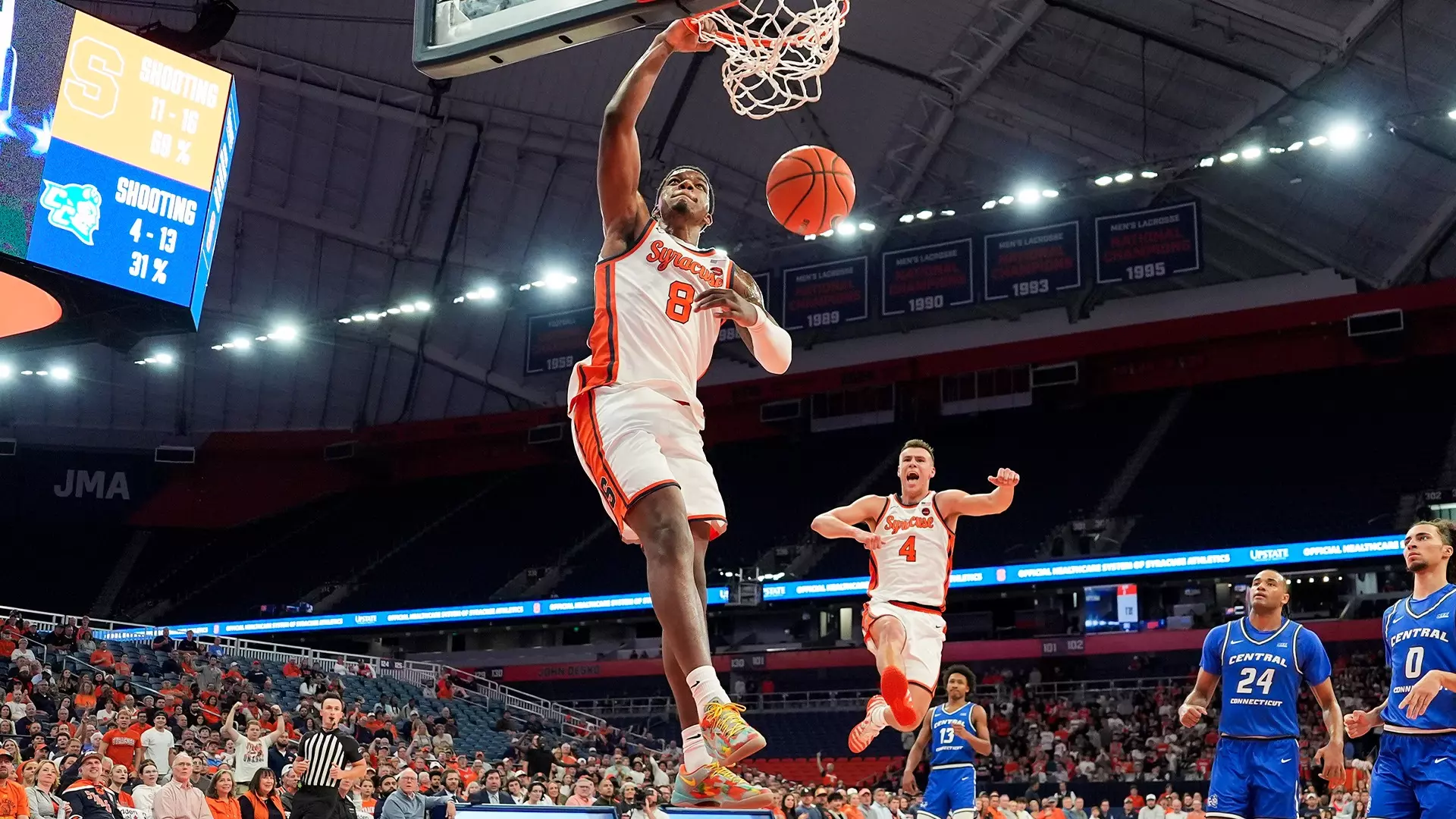
Emerging technologies are reshaping the landscape of modern sports, offering transformative advancements that enhance performance, safety, and fan engagement. From artificial intelligence and virtual reality to smart equipment and blockchain, these innovations are driving significant changes in how athletes train, compete, and interact with their fans. As technology continues to evolve, the potential for further advancements in sports is vast, promising exciting developments and opportunities for athletes, teams, and fans alike. Embracing these technologies will not only enhance the sporting experience but also pave the way for future breakthroughs in the industry.

This content is brought to you by the FingerLakes1.com Team. Support our mission by visiting www.patreon.com/fl1 or learn how you send us your local content here.