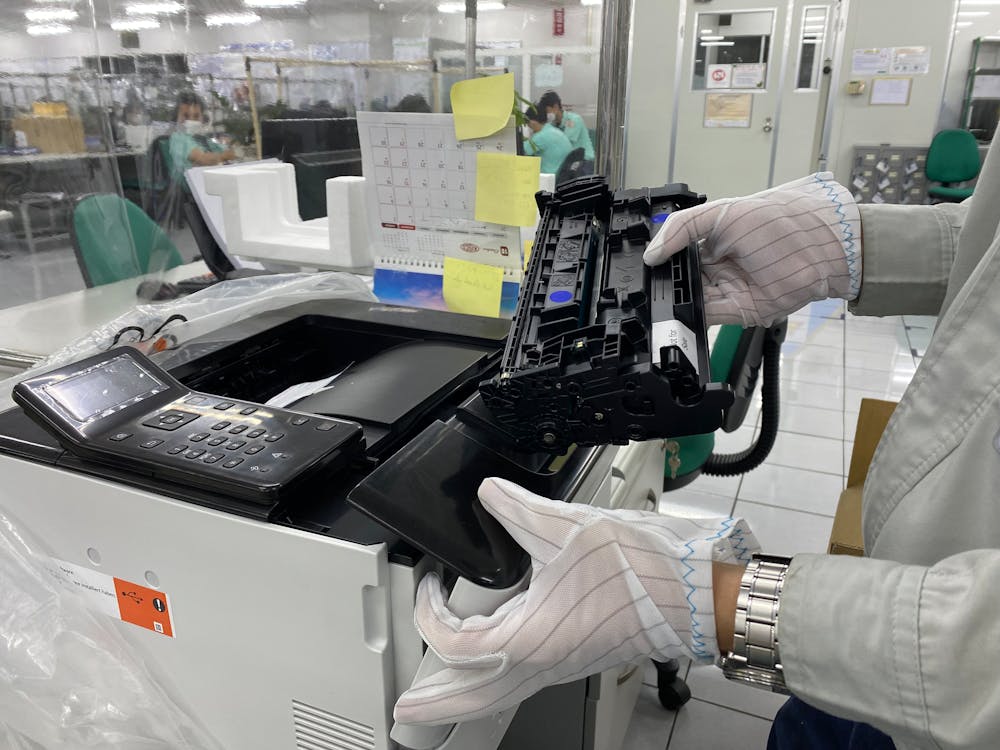
Selecting the right ink and toner cartridges for your printer is crucial for maintaining optimal print quality and ensuring the longevity of your device. With a wide variety of options available, it can be challenging to make the best choice. This guide will help you navigate the process and choose ink & toner cartridges that suit your printer and printing needs.
Understand Your Printer’s Requirements
The first step in choosing the right cartridges is understanding the specific needs of your printer. Check the printer’s manual or the manufacturer’s website to identify the compatible ink or toner cartridges. Different printers require different types of cartridges, and using an incompatible one can result in poor print quality or even damage to your printer. Tips from Sell Toner can also help clarify which printers use toner versus ink, making it easier to understand cartridge types before purchasing or managing surplus supplies.
OEM vs. Compatible Cartridges
You’ll typically have two options when purchasing cartridges: Original Equipment Manufacturer (OEM) cartridges or compatible cartridges.
- OEM Cartridges: These are produced by the printer’s manufacturer and are specifically designed for your printer model. They generally offer the best quality and reliability but come at a higher price.
- Compatible Cartridges: Made by third-party manufacturers, these cartridges are designed to work with your printer but are not produced by the original manufacturer. They are usually more affordable and can provide good quality, but it’s essential to buy from a reputable supplier to avoid issues like leaks or poor print quality.
Consider Your Printing Volume
Your printing volume should influence your choice of cartridges. If you print frequently, investing in high-capacity cartridges may be more cost-effective in the long run. These cartridges contain more ink or toner and can produce more pages before needing replacement, reducing the cost per page.
Check for Eco-Friendly Options
If sustainability is a priority, look for cartridges that offer eco-friendly features. Some manufacturers offer cartridges made from recycled materials or provide programs for recycling used cartridges. Additionally, consider choosing high-yield cartridges, which reduce waste by lasting longer.
Evaluate Print Quality
The quality of the cartridges directly affects the print output. OEM cartridges generally offer superior quality, especially for tasks requiring high precision, such as printing photos or detailed graphics. If you choose compatible cartridges, read reviews and ratings to ensure they meet your quality standards.
Factor in Cost-Effectiveness
While OEM cartridges provide reliability and quality, their higher price can be a drawback, especially for those on a budget. Compatible cartridges offer a more cost-effective alternative, but ensure you’re not sacrificing quality or risking damage to your printer.
Take Advantage of Bulk Buying
If you know you’ll be using your printer frequently, consider buying cartridges in bulk. Many suppliers offer discounts on multi-packs, which can significantly reduce the overall cost. Just be sure to store the cartridges properly to prevent them from drying out or becoming damaged.
Conclusion
Choosing the right ink and toner cartridges involves balancing quality, cost, and your specific printing needs. By understanding your printer’s requirements, considering your printing volume, and weighing the benefits of OEM versus compatible cartridges, you can make an informed decision that ensures your printer performs at its best while keeping costs manageable. Remember to consider eco-friendly options and take advantage of bulk buying opportunities to maximize your savings.

This content is brought to you by the FingerLakes1.com Team. Support our mission by visiting www.patreon.com/fl1 or learn how you send us your local content here.