

Chest pain or pressure is the most common sign of a heart attack in women, but the symptoms can be easier to miss. Unusual fatigue, nausea or sudden discomfort in the jaw or upper back can also be warning signs. If you think you may be having a heart attack, call 911 right away, even if you’re unsure.
In a Rochester Regional Health guide, cardiologist Uzma Iqbal said women may also feel tingling in the chest, break into an unusual sweat or have discomfort that feels like indigestion. Iqbal directs women’s heart health at the Sands-Constellation Heart & Vascular Institute.

When to call 911
Chest discomfort can feel like heaviness or tightness. Pain can also show up in an arm, the neck or the back. Some people feel short of breath even without chest discomfort, according to the American Heart Association.
Some heart attacks start with mild discomfort, and symptoms can ease and come back. If you suspect a heart attack, call 911 before trying to reach your primary care office or going to urgent care. Emergency crews can begin treatment on the way to the hospital.
What recovery can look like
Some people feel better soon after treatment. Others may have fatigue, shortness of breath or trouble returning to their usual activity for months, Iqbal said. How intense the symptoms felt during the attack can differ from how much the heart’s function was affected.
Recovery can take an emotional toll, too. Iqbal said anxiety and depression can follow a heart attack. The American Heart Association’s patient guidance encourages people to talk with their care team about support and ask about a referral for cardiac rehabilitation.
Cardiac rehabilitation pairs supervised exercise tailored to each patient with education and support for changes such as eating differently or managing stress. It can help people build the stamina to get back to daily activities and lower the risk of another heart problem.
What to bring up at a checkup
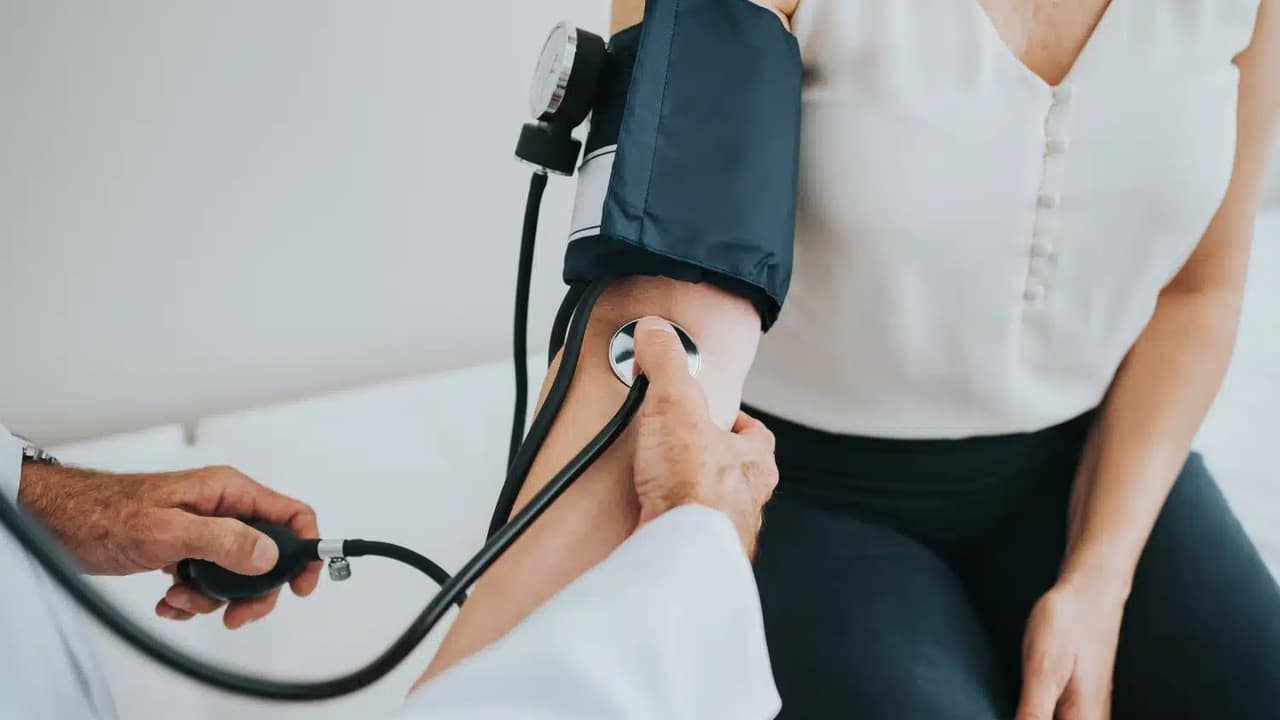
Iqbal recommends starting conversations about heart health with a primary care provider at age 20. Knowing your blood pressure, cholesterol and blood sugar gives you and your provider a starting point for tracking changes and deciding whether more testing would help.
Pregnancy history can be part of that conversation. Iqbal said complications such as preeclampsia, high blood pressure during pregnancy, gestational diabetes or preterm delivery can be linked to a higher risk of high blood pressure or heart disease later on. Blood pressure and cholesterol can also change around menopause.
Iqbal also pointed to heart health concerns for some people who have had or will receive radiation for breast, lung or esophageal cancer. A cardio-oncology team can help assess that risk and plan follow-up.
For prevention, Iqbal emphasized quitting smoking, staying active and choosing more vegetables, other plant foods and sources of fiber while cutting back on saturated fat. She also recommended making time for sleep and finding ways to manage stress. A primary care visit can help people decide which changes and checks make sense for their own risk.
- From a turkey trot to a dinner walk, five ways to get moving on Thanksgiving
- Two St. Lawrence County ambulance services take Rochester Regional Health EMS name
- Rochester Regional Health Foundation earns national fundraising honor
- Rochester General Hospital adding beds, greatly expanding emergency department as shortage mounts
Make FL1 part of your day.
Local reporting. Useful updates. More ways to stay close to your community.
Go ad-free
Support independent local reporting and enjoy FL1 without display ads.
$4.99 / month
Become a member →Cancel anytime. Third-party media players may contain ads.Get the daily briefing
Start your morning with the headlines that matter across the Finger Lakes.
Find more FL1 on Google
Choose FingerLakes1.com as a preferred source to see more of our reporting in your Google news results.

FingerLakes1.com is the region’s leading all-digital news publication. The company was founded in 1998 and has been keeping residents informed for more than two decades. Have a lead? Send it to news@fingerlakes1.com.