


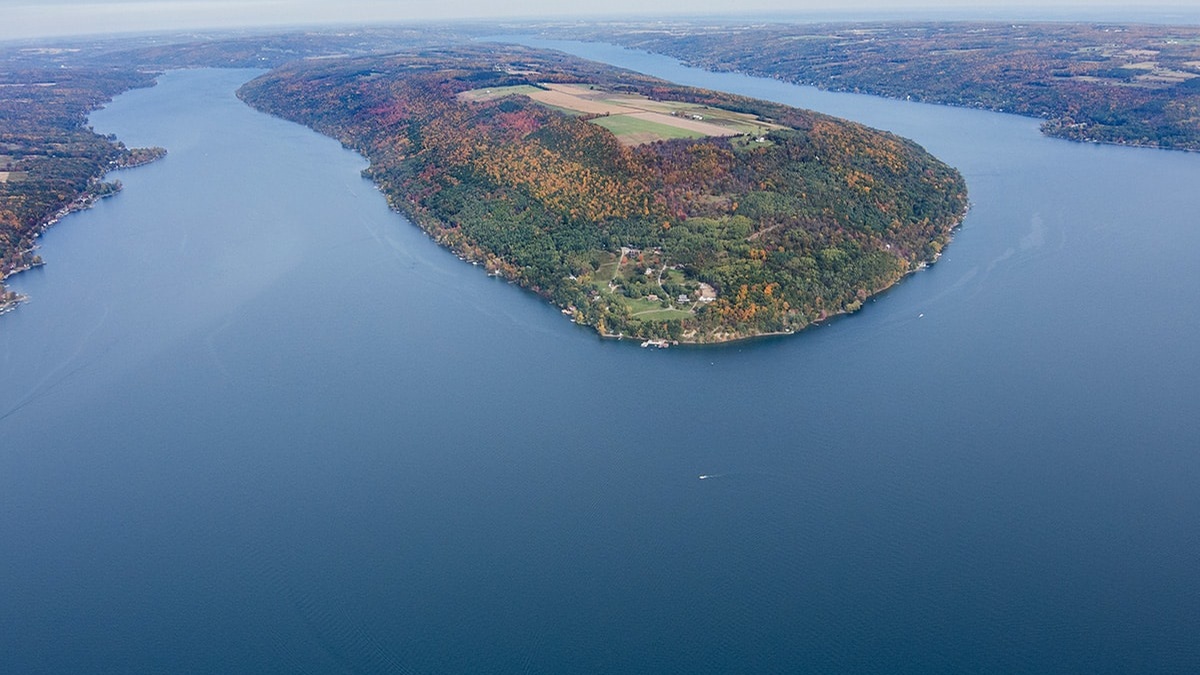
The Keuka Lake Association has set aside $30,000 to help cover the local share of state grants for projects that reduce phosphorus runoff into Keuka Lake.
The association said in a news release that it will work with the Steuben and Yates county soil and water conservation districts to support projects identified in the 2022 Seneca-Keuka watershed plan. The money can cover part or all of a required 25% match and can be divided among multiple priority projects.

How projects qualify
Projects must qualify for state grant funding through an application submitted by a town or county government. The association’s contribution can help make up the difference when a landowner lacks enough money to cover the required share.
The association must endorse each project. A project also needs a recommendation from a manager of one of the two conservation districts, support from the local government, or both.
The program targets five drainage areas: Keuka Inlet, Sugar Creek and the south, west and east branches of Keuka Lake.
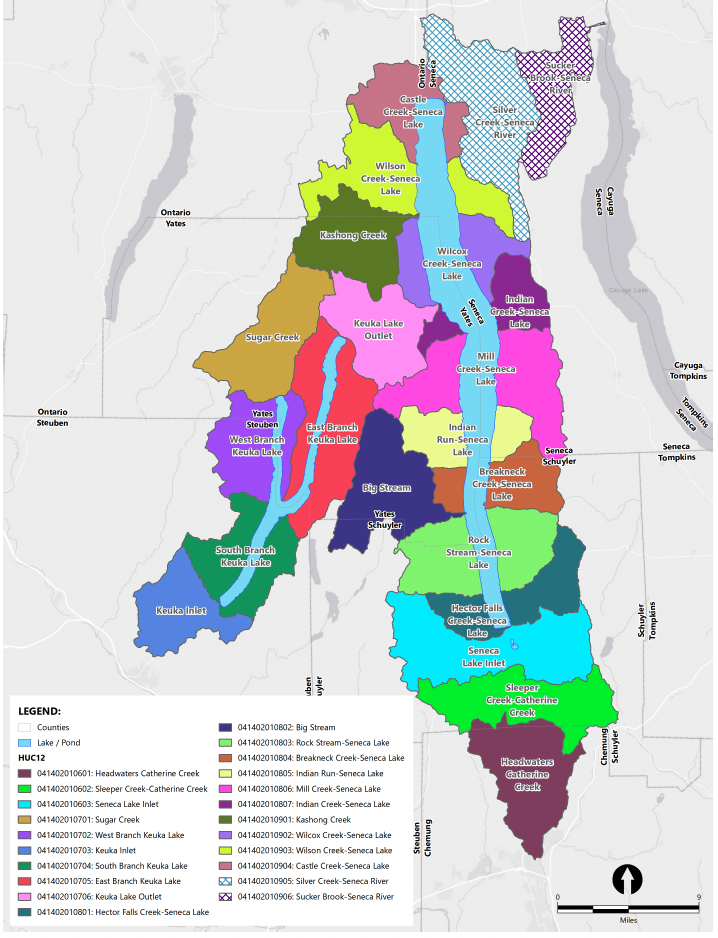
Colby Petersen of Yates County Soil and Water said the matching money can help move projects forward when local costs stand in the way. Those projects would use conservation practices to keep phosphorus and sediment from reaching the lake.
Why the plan targets phosphorus
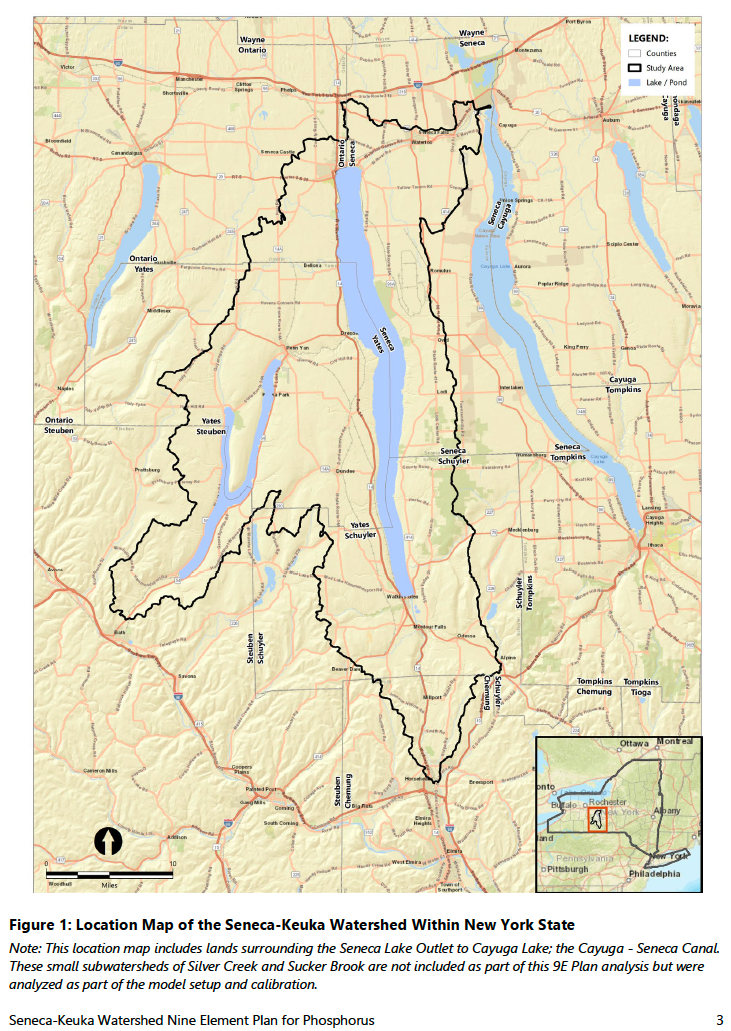
Keuka Lake drains into Seneca Lake through the Keuka Outlet, so work to improve water quality upstream can benefit both lakes. Together the lakes hold more than half the water in the 11 Finger Lakes, according to the association.
Phosphorus supports the lake’s food web, but excess amounts can help fuel harmful algal blooms. The association says it has tracked phosphorus concentrations in Keuka Lake for more than 30 years.
- Farmland runoff, intense storms responsible for raising phosphorus loads that drive HABs in Seneca-Keuka watershed, report finds
- Main Deck: Creating space for the history and people of Penn Yan
- Watercraft Stewards are back at Keuka Lake to help educate and protect the lake this summer
- OUR FINGER LAKES HISTORY: Ice Harvesting in the Finger Lakes (podcast)
Heavy storms can carry phosphorus into the lake in runoff from farmland, forests and developed land. Manure, other fertilizers, stormwater and septic systems can contribute. Phosphorus already stored in lake-bottom sediment can also be released when the water mixes or the sediment is disturbed.
Bob Lambert, chair of the association’s Water Quality Committee, said changing climate conditions, invasive mussels and nutrients all play a role in blooms. The grant program focuses on what watershed projects can directly address: the amount of phosphorus that reaches Keuka Lake.
Make FL1 part of your day.
Local reporting. Useful updates. More ways to stay close to your community.
Go ad-free
Support independent local reporting and enjoy FL1 without display ads.
$4.99 / month
Become a member →Cancel anytime. Third-party media players may contain ads.Get the daily briefing
Start your morning with the headlines that matter across the Finger Lakes.
Find more FL1 on Google
Choose FingerLakes1.com as a preferred source to see more of our reporting in your Google news results.

FingerLakes1.com is the region’s leading all-digital news publication. The company was founded in 1998 and has been keeping residents informed for more than two decades. Have a lead? Send it to news@fingerlakes1.com.