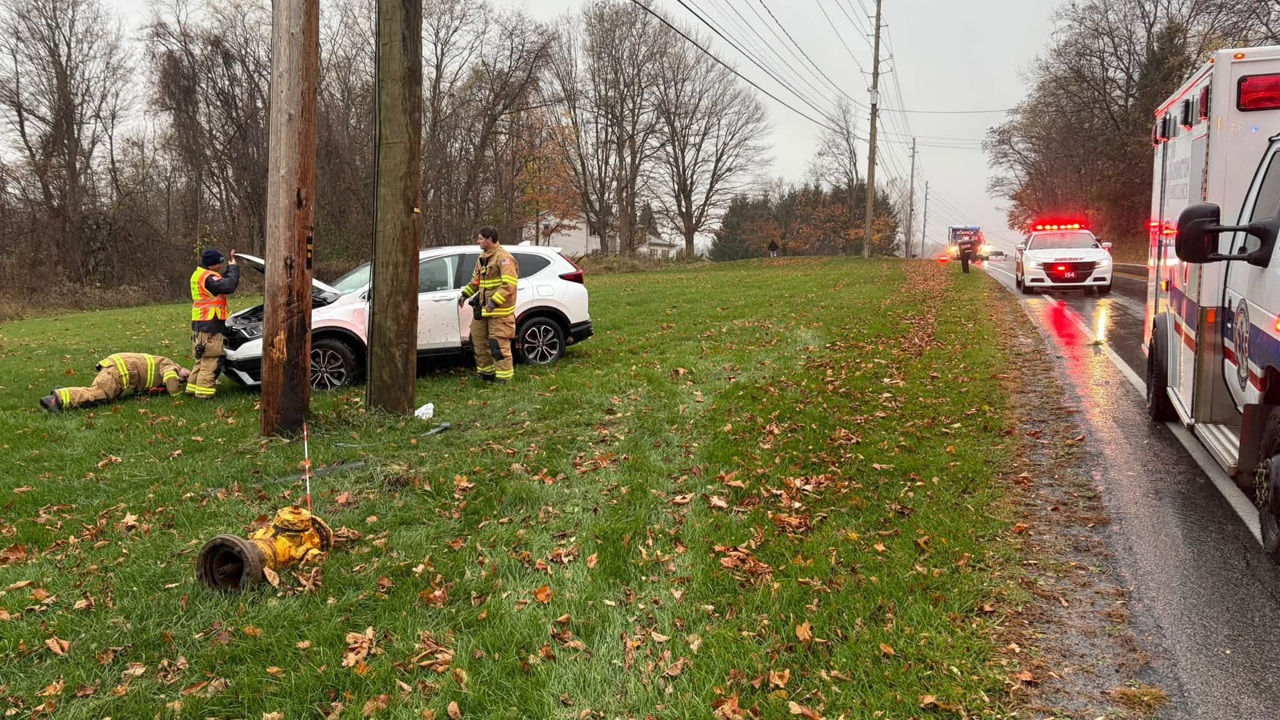
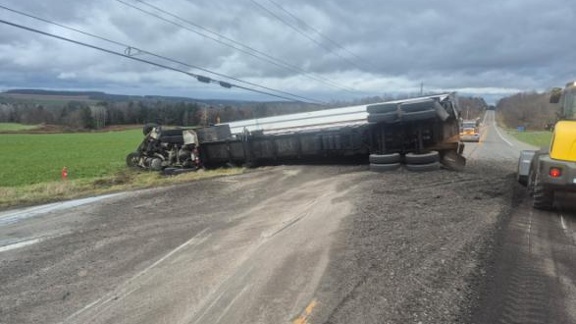
Every car accident brings its own circumstances, but handling claims statewide requires legal teams to look beyond the immediate collision and understand the risks affecting different communities. Columbia, South Carolina, provides an important starting point for this approach, particularly given the region’s demanding traffic conditions and its position as a central transportation hub. The city faces challenges involving speeding, impaired driving, and congested commuter routes, while statewide representation introduces additional concerns along Spartanburg’s commercial freight corridors and Horry County’s tourist-heavy highways.
These differences make consistent evidence collection, accident reconstruction, digital forensics, and insurance negotiations essential to effective case preparation. McWhirter Bellinger Associates SC trial attorneys can approach statewide claims with attention to regional traffic conditions, local procedures, and the specific circumstances surrounding each collision. For injured motorists, this focused representation helps ensure that their claims receive careful consideration wherever an accident occurs in South Carolina.
1. Start With a Focused Case Review
Evidence often disappears quickly. Vehicle damage changes during repairs, nearby video gets overwritten, and witnesses can forget important details. An attorney acts early to collect photographs, medical records, repair estimates, statements, and available electronic evidence.
For a case involving a disputed turn, sudden lane change, or rear-end impact, the attorney compares the physical damage with witness accounts and the reported sequence of events. Car accident attorneys can handle tasks such as obtaining reports, reviewing coverage, communicating with insurers, and preparing a claim so the injured person can focus on medical care.
2. Build Evidence Around the Collision
A statewide car accident attorney begins by reviewing how the collision happened, where it occurred, who was involved, and what injuries followed. The attorney also checks available insurance information, medical records, photographs, witness details, and the police report.
The first review separates confirmed facts from disputed claims. It also identifies missing evidence, possible responsible parties, and immediate steps that could protect the claim from unnecessary damage.
3. Account for Local Case Differences
Statewide representation requires attention to local practices. Courts, clerks, medical providers, law enforcement agencies, and insurance offices operate in different communities, so attorneys must confirm filing requirements and communication procedures for each case.
An attorney also considers where the crash happened, where the parties live, and where a lawsuit could proceed. Those details affect document requests, court filings, scheduling, and the practical work needed to keep the case moving.
4. Track Every Injury-Related Loss
A claim should reflect the full effect of the collision, not just the first hospital bill. An attorney tracks emergency care, follow-up appointments, medication, therapy, medical equipment, and related travel expenses.
Lost income also requires careful records. Pay statements, work restrictions, missed shifts, and changes in job duties help show how the injury affected employment. Property damage, vehicle storage, rental transportation, and other out-of-pocket costs belong in the same financial review.
5. Handle Insurance Communication
Insurance adjusters often request statements, medical authorizations, or explanations about prior offices. A focused attorney reviews those requests before the injured person responds and keeps communications tied to the actual claim.
The attorney also checks every available policy, including liability coverage and uninsured or underinsured motorist coverage when applicable. Reviewing policy language matters because the driver who caused the crash may not have enough insurance to cover the documented losses.
6. Address Disputed Responsibility
Insurance companies may argue that the injured driver caused the crash, failed to reduce losses, or waited too long to seek care. The response must use evidence rather than general accusations.
An attorney compares traffic conditions, vehicle positions, photographs, medical timing, witness statements, and available records. If several parties contributed to the collision, the claim requires a careful review of each person’s conduct and the rules that apply in the state where the crash occurred.
7. Prepare for Settlement or Trial
Settlement discussions work better when the attorney has already organized the evidence, calculated documented losses, and identified the weaknesses in the opposing position. A demand should explain liability, injuries, treatment, financial harm, and the support for each point.
If negotiations fail, the attorney prepares the case for litigation. That work includes filing pleadings, exchanging evidence, questioning witnesses, consulting qualified specialists, and presenting a clear account of the collision. A statewide practice must keep that preparation consistent, even when the courthouse changes.
Conclusion
A focused statewide car accident attorney connects local procedure with disciplined case preparation. The practical next step is to preserve crash records, follow medical recommendations, avoid giving an insurer a detailed statement before reviewing it, and arrange a case assessment promptly. The sooner you organize the facts, the easier it becomes to identify coverage, address disputed responsibility, and choose a sensible path forward.

This content is brought to you by the FingerLakes1.com Team. Support our mission by visiting www.patreon.com/fl1 or learn how you send us your local content here.