
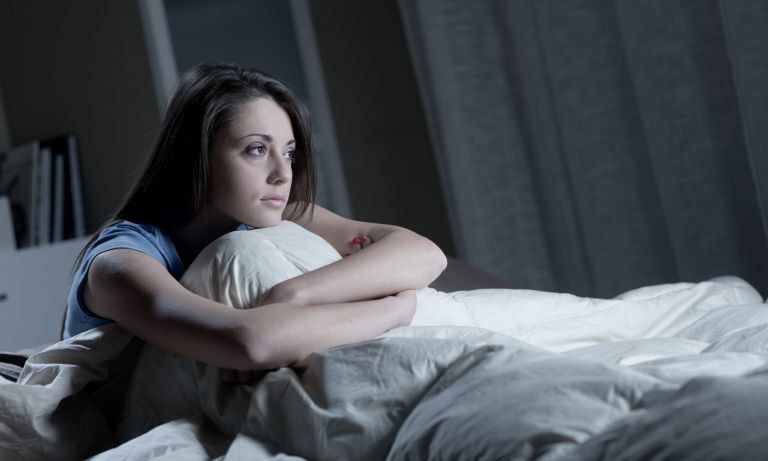
High anxiety can feel overwhelming and make it hard to relax at night. Many people with anxiety find their thoughts racing when they lie in bed, which can prevent sleep. Tossing and turning, along with racing thoughts, often leads to frustration rather than restful sleep. Since sleep is crucial for our health, anxiety can create a cycle where you feel even more anxious about not sleeping.
If you relate to this, you are not alone. Knowing how anxiety impacts sleep can help you take steps toward better rest. You don’t have to deal with this silently. Let’s look at ways to help you sleep even when you feel anxious.
Cognitive Behavioural Therapy (CBT)
Cognitive Behavioural Therapy (CBT) helps people change their thoughts and behaviours related to anxiety and sleep. This therapy focuses on spotting negative thought patterns and replacing them with positive ones. Instead of feeling stuck in anxious thoughts, you can learn to recognize and challenge them, which can improve your sleep.
Working with a trained professional, you can identify your triggers and create personal coping strategies. By adding these strategies to your evening routine, you can lessen the impact of anxiety on your sleep. CBT therapy Hamilton helps you take charge and develop actionable steps toward a better night’s rest.
You can also practice CBT techniques at home. For example, journaling can be very helpful. Writing down your thoughts before bed lets you process your emotions and clear your mind, making it easier to fall asleep. Using this therapy can be a significant step toward getting the rest you need.
Breathing Techniques
When anxiety hits, our bodies get too alert, making it harder to relax. Breathing techniques can help calm both your mind and body. One effective method is deep breathing. Take a slow, deep breath in through your nose, letting your stomach rise. Hold that breath for four counts, then release it slowly through your mouth. Focusing on your breath can shift your attention away from anxious thoughts and help you feel calm.
Another option is the 4-7-8 breathing pattern. Inhale for four seconds, hold your breath for seven seconds, and exhale for eight seconds. This breathing rhythm not only reduces anxiety but also helps prepare your body for sleep. Adding these techniques to your nightly routine can make it easier to fall asleep.

Sleep Environment
Creating a peaceful sleep environment is important for dealing with anxiety. Make your bedroom a place for relaxation. Use soft lighting, comfortable bedding, and keep it cool and quiet. You might also try using essential oil diffusers or soft music to help you relax. Another key step is to limit screen time before bed. Blue light from devices can keep your brain alert and disrupt sleep.
Following a consistent sleep schedule can also help create a restful space. Going to bed and waking up at the same time each day can help regulate your body clock. This regularity may reduce sleep anxiety by creating a routine that signals to your brain when it is time to wind down.
Insomnia Therapy
If anxiety leads to insomnia, specialized insomnia therapy can help. This approach uses different techniques to improve sleep quality and duration. Cognitive Behavioural Therapy for Insomnia (CBT-I) is one effective treatment. It combines changing your thinking about sleep with practical strategies to manage insomnia.
Insomnia therapy helps you rethink your approach to sleep and introduces methods like stimulus control and sleep restriction. Stimulus control means using your bed only for sleep. Sleep restriction limits the time you spend in bed to help increase your drive to sleep. These strategies work together to help you develop better sleep habits.
If anxiety causes chronic sleep problems, getting professional help can be very valuable. Insomnia therapy not only provides insights into your experiences but also gives you practical skills to manage anxiety’s effects on sleep. It’s about creating a new story that focuses on getting good rest.
Lifestyle Adjustments
Simple lifestyle changes can also help you sleep better when anxiety is high. Regular exercise releases endorphins, which naturally reduce stress and anxiety. Just make sure to exercise well before bedtime to avoid getting too energized too close to sleep.
Your diet matters too. Cutting back on caffeine, especially later in the day, can help you sleep better. Also, avoid heavy meals right before bed, as they can cause discomfort that disrupts sleep. It’s impressive how small changes can improve sleep and help with anxiety.
Finding sleep during anxious times can be tough, but it’s possible. By using some of these strategies, you can find the sleep you seek. It’s about figuring out what works best for you and taking steps toward a better night’s sleep. What stands out is how making a few conscious choices can improve your nighttime routine and help you find the peace you need for restful sleep amid anxiety.

This content is brought to you by the FingerLakes1.com Team. Support our mission by visiting www.patreon.com/fl1 or learn how you send us your local content here.