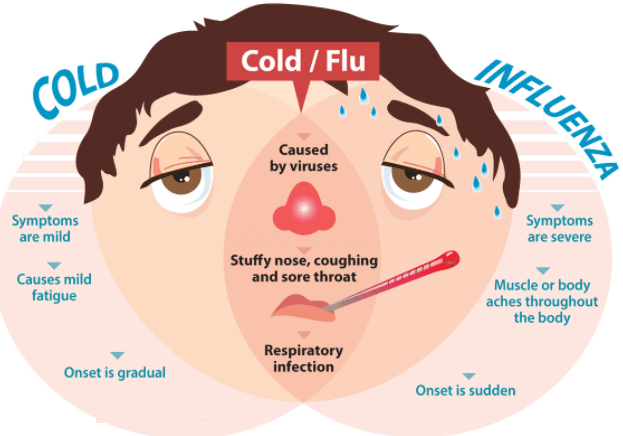

A sudden wave of fatigue, body aches, fever or chills can be an early sign of flu, and contacting a health care provider promptly can matter because antiviral treatment works best in the first 48 hours, according to a University of Rochester infectious disease specialist.
Dr. Angela Branche explains in UR Medicine's flu guidance that influenza often begins more abruptly than a cold. Symptoms can overlap with COVID-19 and other respiratory infections, so symptoms alone may not identify the virus.
Early symptoms can include headache, cough, sore throat and a runny or stuffy nose, along with fever, chills, muscle aches and unusual tiredness. Vomiting and diarrhea can occur, especially in children.
The time between exposure and symptoms is usually one to four days, often about two. Someone with flu can spread it before recognizing the illness: Contagiousness can begin about a day before symptoms, and people are most contagious during the first three days of illness.
What the first week can look like
During the first day or two, symptoms may come on quickly. A person who felt well earlier can develop fever, aches, headache and exhaustion in a short period, rather than the more gradual progression often associated with a cold.
That early period is also the best window to ask a clinician about antiviral medication. The guidance says treatment is most effective when started within 48 hours of symptom onset, making an early call more useful than waiting several days to see how severe the illness becomes.
An at-home flu and COVID-19 test or a medical visit can help determine the cause. A clinician may also consider other infections, including respiratory syncytial virus, when assessing symptoms and deciding on care.
Days three and four can be the most difficult, with fever, muscle aches, headache, fatigue and cough. Rest and fluids remain central to recovery, according to UR Medicine, while staying home helps limit spread to other people.
Many people begin to improve during days five through seven. Cough and fatigue can linger for one to two weeks or longer even after the most intense symptoms ease.
The course varies with age, overall health and illness severity. Some people recover within a few days, while others need about two weeks or longer. The timeline is a general pattern rather than a prediction for every patient.
Warning signs call for additional care
A fever that returns after improvement, worsening symptoms or new symptoms can signal a complication and should prompt contact with a health care provider. Improvement followed by a clear setback is different from a lingering cough that is gradually getting better.
Trouble breathing, chest pain, confusion, severe weakness or a rapid decline require emergency medical attention, the guidance says. Those signs should not be treated as simply another expected day of flu recovery.
Branche also emphasizes vaccination. A flu shot may not prevent every infection, but it reduces the risk of severe illness and complications.
Recognizing the abrupt start, seeking advice early and watching how symptoms change can help people respond appropriately. For someone who becomes ill, the immediate steps include rest, hydration, staying home and asking a clinician whether testing or treatment is needed.

FingerLakes1.com is the region’s leading all-digital news publication. The company was founded in 1998 and has been keeping residents informed for more than two decades. Have a lead? Send it to news@fingerlakes1.com.