Americans are paying sharply more for gasoline than they did before this year's U.S.-Iran conflict, but an inflation-adjusted comparison shows the burden was even greater in 2008, according to a new Pew Research Center analysis.
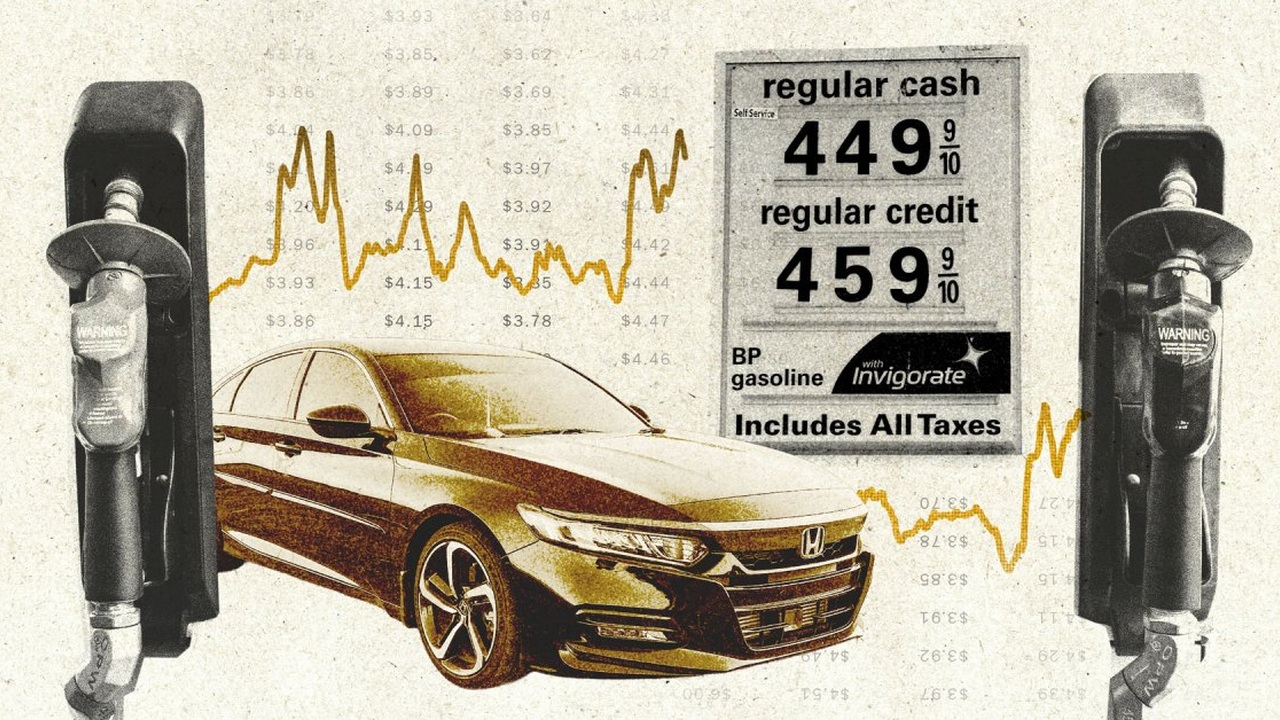
The national average for regular unleaded gasoline was $4.12 a gallon on Oct. 26, up 47.4% from just under $2.80 in late February. Highway diesel rose from $3.81 to $6.35 over that period, a 66.8% increase, Pew reported using federal energy data.
Comparing pump prices with wages and inflation
Pew calculated that buying a gallon of regular conventional gasoline in October required about 9.5 minutes of work at the national median wage, compared with 6.3 minutes in February.
The October estimate used a monthly gasoline average of about $4.14 and median hourly earnings of $26. In July 2008, buying a gallon required 16 minutes of work, the highest figure in the period studied. The low was 4.7 minutes in April 2020, when pandemic shutdowns sharply reduced demand.
Diesel required about 14.4 minutes of work per gallon in October, up from 8.4 minutes in February. The comparable July 2008 peak was 18.8 minutes.
Adjusted to 2026 dollars, June 2008 gasoline averaged $6.18 a gallon and diesel averaged $7.26. Pew's gasoline series begins in September 1990; comparable ultra-low-sulfur diesel data begin in early 2007.
Fuel grade and location change the bill
The gap between fuel grades has widened. In October, midgrade averaged 48.9 cents more per gallon than regular, while premium averaged 91.7 cents more. In December 1994, the earliest comparable month, those differences were about 10 cents and 20 cents.

Reformulated gasoline, required in California, along the Northeastern seaboard and in several other urban areas to reduce air pollution, also carries a larger premium. Across all grades, it cost 62.6 cents more per gallon than conventional fuel in October, compared with about 3 cents in October 1996.
Regular conventional gasoline averaged $3.86 in the Gulf Coast region in October. California's regular-grade average was $6.06. Pew cited the state's reformulated-fuel requirements, taxes and environmental fees, along with its distance from other refining centers and lack of fuel pipelines across the Rocky Mountains, as factors in its higher prices.
Analysis describes national trends, not a local price quote
Pew used Energy Information Administration prices, Bureau of Labor Statistics inflation measures and Current Population Survey earnings data accessed through IPUMS. Because September and October earnings data were unavailable, the wage comparisons used August's median hourly earnings for those months.
Monthly 2026 inflation adjustments were estimated using the main consumer price index because the retroactive series is updated annually. Pew did not calculate inflation-adjusted prices or work-time measures for October 2025 because inflation and wage data were unavailable following that year's government shutdown.
The analysis comes as 74% of Americans say they are very concerned about gas and energy prices, up from 60% in July and 43% in January, according to a separate Pew survey. Its national averages do not represent a specific Finger Lakes station or predict where prices will move next.

FingerLakes1.com is the region’s leading all-digital news publication. The company was founded in 1998 and has been keeping residents informed for more than two decades. Have a lead? Send it to news@fingerlakes1.com.