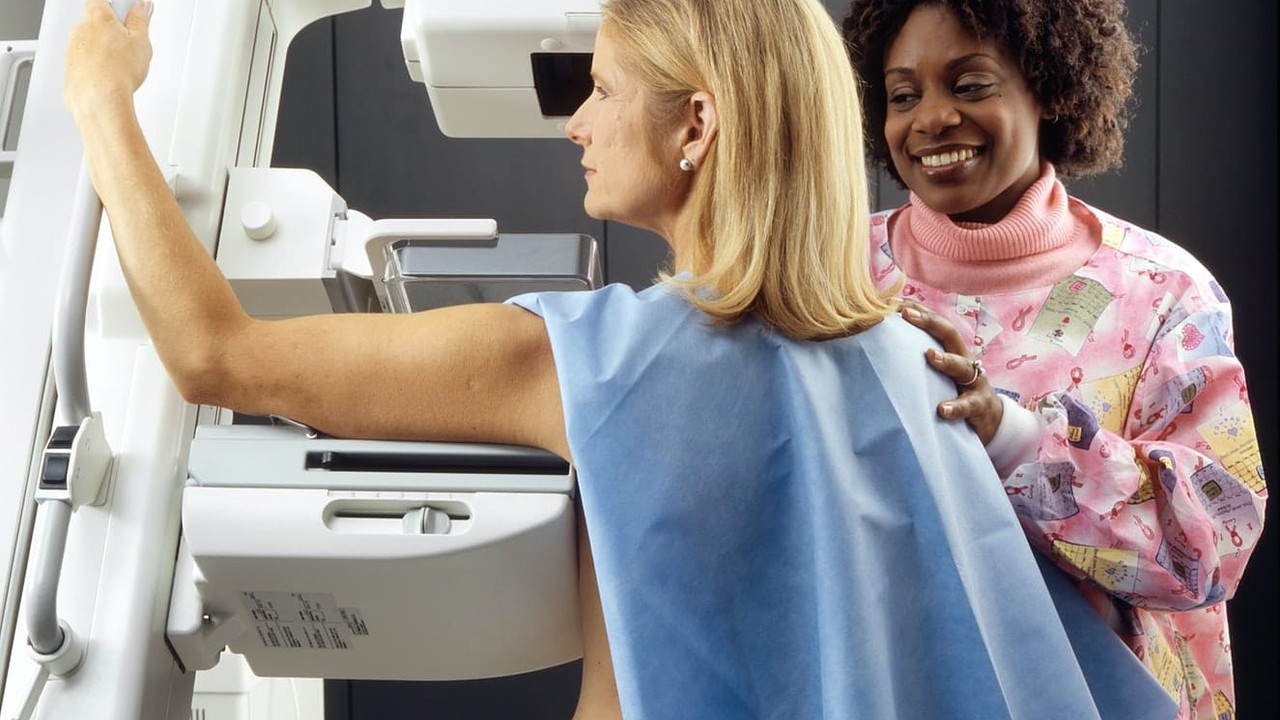
Some people at higher risk for breast cancer may need imaging before age 40, and a Rochester breast specialist recommends discussing personal risk by age 25.
Dr. Anna Weiss, director of the Pluta Comprehensive Breast Program at Wilmot Cancer Institute, explained the factors that can change a screening plan in URMC guidance.

For many women, routine mammograms begin at 40. Weiss said some higher-risk patients may need breast MRI at 25 or 30 and mammograms beginning at 30. The appropriate age and combination of tests depend on the person’s circumstances.
Family history is one part of the assessment
A parent, sibling or child with breast cancer is a reason to discuss risk, especially when the relative was diagnosed young. Several relatives with breast or ovarian cancer on the same side of the family can also affect recommendations.
Other factors include a family history of male breast cancer, a known inherited variant such as BRCA1 or BRCA2, certain high-risk breast biopsy results and radiation to the chest at a young age.
Having one relative with breast cancer, such as an aunt, does not automatically mean someone needs early imaging. The relative’s age at diagnosis, the number of affected relatives and the kinds of cancer in the family all matter.
For people with a strong family history, screening may begin as much as 10 years before the youngest affected close relative’s age at diagnosis, Weiss said. A care team should determine how that history fits into an individual screening plan.
A primary care physician, OB-GYN, breast specialist or genetic counselor can help assess risk and interpret the results. URMC’s teams use the Tyrer-Cuzick Risk Assessment Calculator, which estimates risk using personal health, family history and other factors.
Higher risk can mean additional imaging
A screening plan may include earlier mammograms, MRI in addition to mammography, or referral to a breast specialist or genetic counselor. Genetic counseling can help determine whether testing for an inherited risk is useful and what the results could mean.
The American Cancer Society recommends yearly MRI and mammography, typically beginning at 30, for certain high-risk women. That group includes people with an estimated lifetime risk of about 20% to 25% or greater based mainly on family history.
MRI supplements a screening mammogram rather than replacing it, because each test can detect cancers the other may miss. Decisions about following the high-risk recommendation should be made with a health care provider, taking account of individual circumstances and preferences.
Weiss recommends having breast cancer risk assessed by 25 even without a family history. An assessment at that age is different from a recommendation that everyone begin imaging then.
Before an appointment, URMC advises gathering relatives’ cancer histories, including who was diagnosed, the type of cancer and the age at diagnosis.
Questions for the care team include whether personal or family history warrants a risk assessment, when screening should begin and whether a breast specialist or genetic counselor should be involved.

FingerLakes1.com is the region’s leading all-digital news publication. The company was founded in 1998 and has been keeping residents informed for more than two decades. Have a lead? Send it to news@fingerlakes1.com.