Lead in household dust, deteriorating paint and drinking water can threaten a child’s development without obvious signs of illness, Cayuga and Seneca county health officials are warning in public outreach urging families to get children tested and understand the hazards in their homes.
The departments’ messages address two parts of prevention: identifying exposure early and reducing the environmental risks that allow it to happen. Cayuga County emphasized childhood testing and common sources of lead. Seneca County also highlighted disclosure requirements for people selling or renting older housing.
The concern has a documented local impact. Seneca County’s 2024 health department annual report says environmental health staff investigated 14 elevated blood lead level cases that year. The department conducts home assessments to identify exposure sources and helps families reduce those risks. The figure reflects investigations, rather than a count of every child potentially exposed.
Why children can be exposed without appearing sick
Lead can damage the brain and nervous system, slow growth and development, and contribute to learning, behavior, hearing and speech problems. According to the Centers for Disease Control and Prevention, most children exposed to lead have no obvious immediate symptoms.
That makes testing important even when a child appears healthy. Parents cannot reliably determine whether exposure has occurred by watching for changes in appearance or behavior.
Children younger than 6 are especially vulnerable. Their bodies are developing, and normal activities such as crawling and putting hands or toys in their mouths can bring contaminated dust into their bodies. Lead can also pass to a baby during pregnancy, according to the New York State Department of Health.
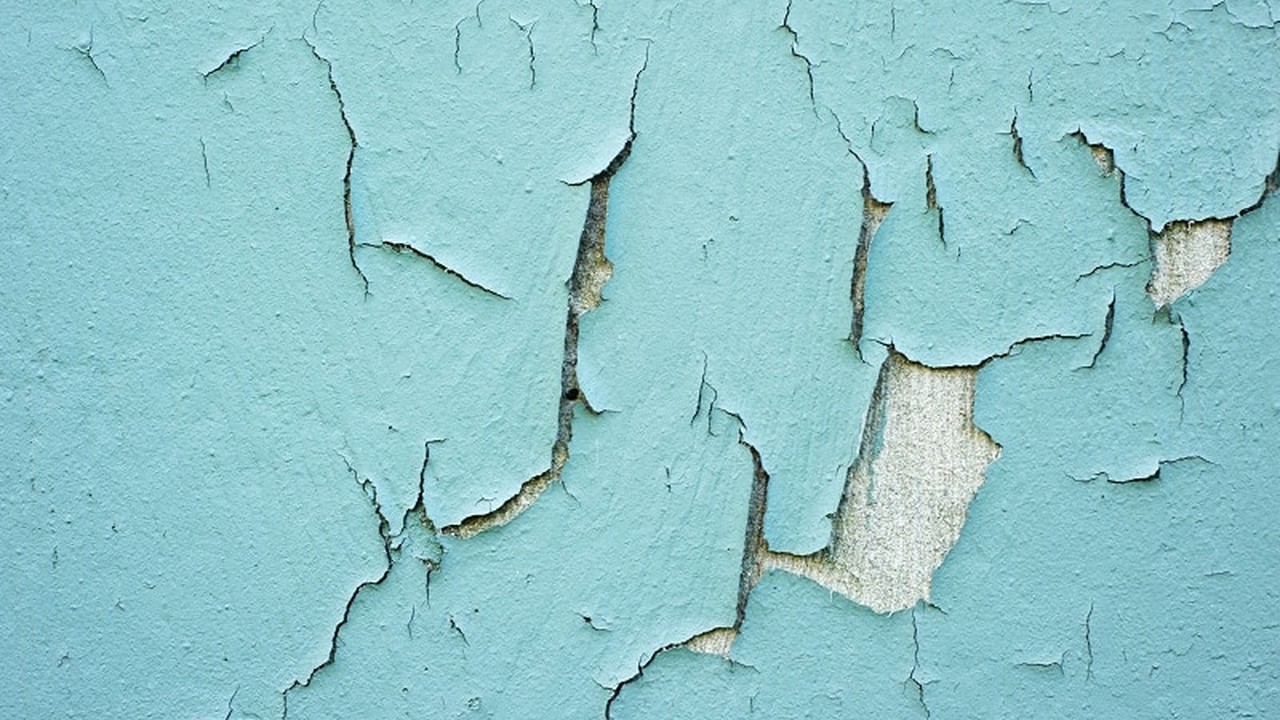
Both county departments identified older housing as a concern. Lead-based paint may remain in homes built before 1978. As paint deteriorates or is disturbed, it can create chips and dust that settle on floors, windowsills and other surfaces children touch.
Cayuga County’s outreach also identified soil around older buildings, older plumbing, and certain toys, jewelry, spices, cosmetics and other consumer products as potential sources. The warning extends beyond visibly peeling paint: Families may encounter lead in materials they would not otherwise recognize as hazardous.
New York requires testing at ages 1 and 2
New York requires health care providers to test all children for lead at age 1 and again at age 2. Providers must also assess children ages 6 months to 6 years for exposure risks at every well-child visit and obtain a blood test when the assessment identifies a risk.
Those requirements apply even when a child seems healthy. Parents who are unsure whether testing occurred can ask their child’s provider to review the record and explain any results.
A blood test measures how much lead is present in the blood. Under its blood lead testing guidance, the CDC uses a reference value of 3.5 micrograms per deciliter to identify children whose levels are higher than most U.S. children’s levels.
That number is not a boundary between safe and unsafe exposure. No safe blood lead level in children has been identified.
When an initial finger-prick test reaches or exceeds that reference value, the CDC recommends confirmation with blood drawn from a vein. Follow-up depends on the result and may include repeat testing, an exposure history, assessment of iron deficiency, nutritional counseling and developmental monitoring. Environmental investigations depend on the child’s level and applicable local requirements.

Testing identifies exposure that has already happened. Finding and controlling the source helps prevent it from continuing.
What buyers and renters have a right to know
Seneca County’s outreach also focused on the responsibilities of sellers, landlords, real estate agents and property managers.
For most housing built before 1978, the federal Lead-Based Paint Disclosure Rule requires disclosure of known lead-based paint and lead-based paint hazards before a buyer signs a sales contract or a renter signs a lease. Buyers and renters must receive available records and reports, a federal lead safety pamphlet and a lead warning statement.
Homebuyers generally must receive a 10-day opportunity to conduct a lead inspection or risk assessment. The parties can agree in writing to a different period, and buyers can waive that opportunity. The provision does not give renters the same automatic inspection period.
A disclosure form is not proof that a home is free of lead. The EPA’s explanation of the disclosure rule makes clear that the rule itself does not require sellers or landlords to test for or remove lead-based paint.
Seneca County also warned against agreements that attempt to absolve landlords of responsibility if a child is poisoned. New York’s General Obligations Law specifically makes lease provisions unenforceable when they exempt a landlord from liability for injuries caused by the landlord’s negligence in operating or maintaining the property.
That protection is distinct from acknowledging receipt of a lead disclosure.
How families can reduce exposure and find help
Household maintenance can reduce risk, but repair work can also spread contamination when lead-based paint is disturbed.
The Environmental Protection Agency’s guidance on reducing lead exposure at home recommends damp wiping hard surfaces and wet mopping floors to control dust, maintaining painted surfaces, and hiring a lead-safe certified contractor for renovation work in older homes. The agency advises against attempting lead-paint removal yourself. Children should be kept away from deteriorating paint and contaminated bare soil.
Renovations deserve particular attention. Sanding, cutting and demolition can create hazardous lead dust and paint chips. The EPA’s Renovate Right guide explains that federal rules generally require hired firms performing covered work that disturbs paint in pre-1978 housing and facilities used by young children to be certified and follow lead-safe practices.
Routine precautions include washing children’s hands and toys, removing shoes before entering the home, and providing a balanced diet with nutrients such as iron and calcium. Those steps are included in the EPA’s lead prevention recommendations, but they do not eliminate an environmental source of lead.
Drinking water requires separate attention. The EPA’s guidance on lead in drinking water advises families to use cold tap water for drinking, cooking and preparing infant formula because hot water can dissolve lead more readily from plumbing.
Boiling does not remove lead. Filters should be independently certified to reduce lead and maintained according to the manufacturer’s instructions. Residents concerned about their water can contact their utility and health department for testing information.
Cayuga County’s No Home for Lead program advertises no-cost home lead risk assessments for families with children younger than 6. Residents can call the health department at 315-253-1560 to ask about scheduling.
Seneca County residents can contact the county’s lead program at 315-539-1924, according to New York’s local lead program directory. Families elsewhere in the Finger Lakes can contact their county health department for testing guidance and help addressing suspected hazards.

FingerLakes1.com is the region’s leading all-digital news publication. The company was founded in 1998 and has been keeping residents informed for more than two decades. Have a lead? Send it to news@fingerlakes1.com.