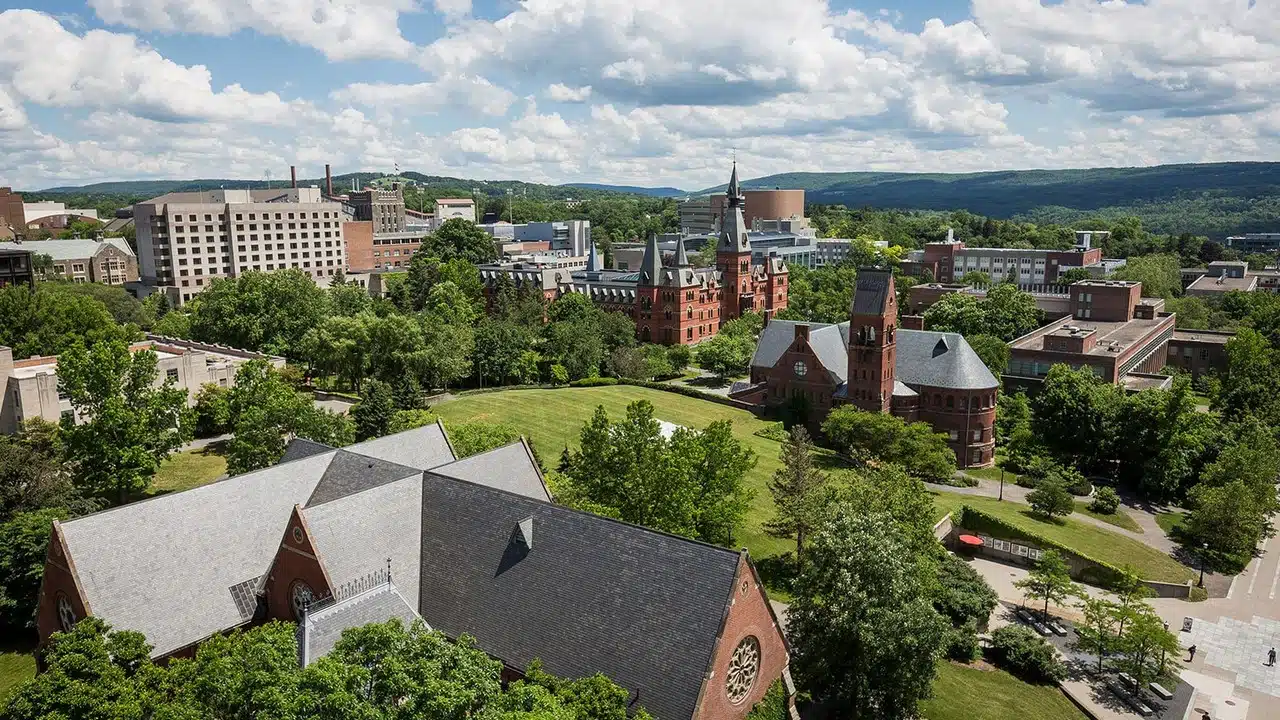
Three Cornell departments are using new two-year postdoctoral fellowships to redesign courses in art history, psychology and environmental studies around active learning.
The 2026-28 Active Learning Initiative grants began this fall and support one teaching postdoctoral fellow in each department, according to Cornell’s Center for Teaching Innovation. The fellows are already working with faculty on classroom strategies and materials.

Recipients are the Department of History of Art and Visual Studies in the College of Arts and Sciences; the Department of Psychology in the College of Human Ecology and Arts and Sciences; and the Department of Natural Resources and the Environment in the College of Agriculture and Life Sciences’ Ashley School of Global Development and the Environment.
The fellows hold doctorates in their disciplines and bring teaching expertise to projects that can extend beyond an individual classroom. Their work includes new materials, assessments, student-directed experiments, video assignments and semester-long projects.
Carolyn Aslan, senior associate director at the Center for Teaching Innovation and the Active Learning Initiative, said faculty and postdocs are tailoring their approaches to humanities, science and social science courses. The initiative gives students time to discuss ideas, apply knowledge and practice skills rather than only receive information.
Art history courses emphasize evidence and interpretation
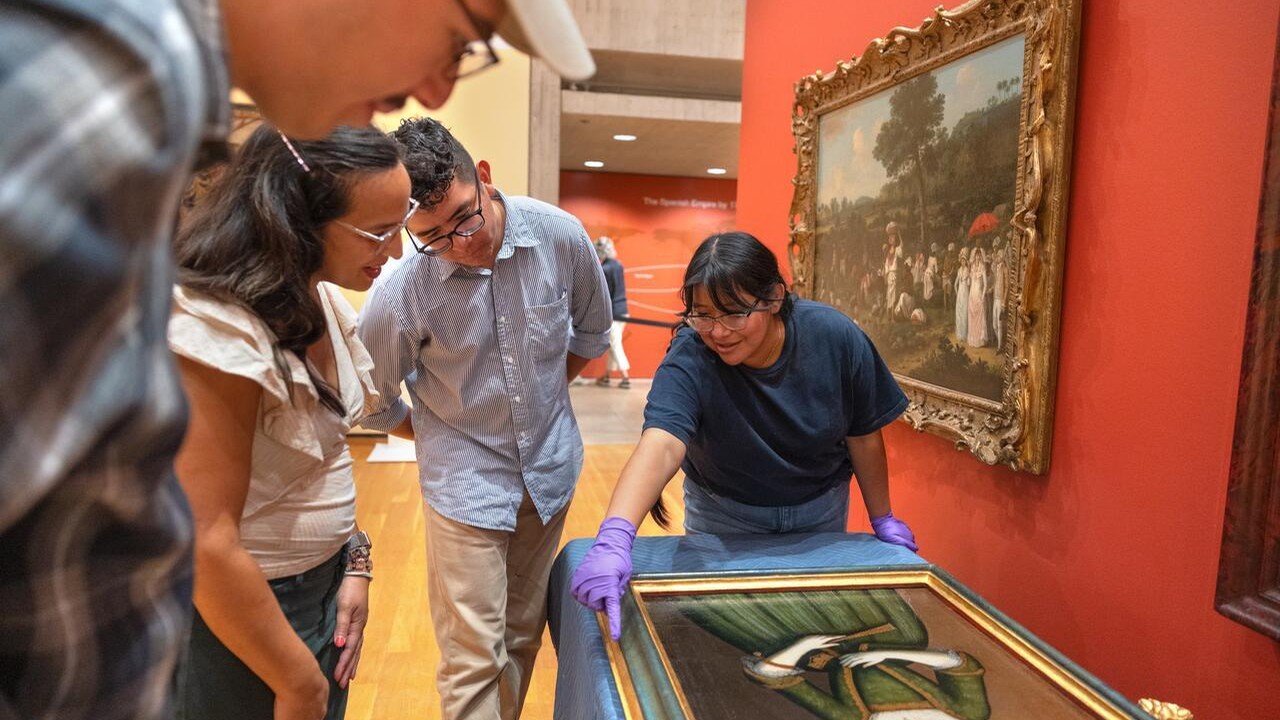
The art history department’s project responds to faculty concerns that students have become less prepared for close reading, evaluating information and constructing arguments from evidence. The department is restructuring its curriculum to strengthen those analytical and interpretive skills.
Two introductory courses will focus on a global perspective and visual analysis. The department is also redesigning two upper-level courses: one on global influences in early modern European art and material culture, and another on American Black art from the 18th century to the present.
The department’s approach is intended to give students more opportunities to question assumptions, express uncertainty and develop evidence-based interpretations through active participation.
Psychology builds on earlier classroom changes
Psychology’s grant expands work begun with an Active Learning Initiative award in 2018. That earlier project added activities in five courses and aligned learning goals and assessments with American Psychological Association guidelines.
Since then, psychology has merged with the Department of Human Development in the College of Human Ecology. The new work focuses on human development courses spanning infancy through adulthood and drawing students from across Cornell.
Faculty plan to connect concepts with familiar situations and issues including misinformation, mental health, infant development and parenting. The goal is to help students practice psychological reasoning as well as learn the subject matter.
Strategies include short reflective writing exercises in class, learning reinforced through testing and assessments in which students take on the roles of practitioners or decision-makers. The project also aims to support inclusion and a sense of belonging.
Environmental studies measures systems thinking
Natural Resources and the Environment will build on a 2019 initiative to make systems thinking a central part of the Environmental and Sustainability Sciences curriculum. The major is available across Arts and Sciences and the College of Agriculture and Life Sciences.
Its postdoctoral fellow will help faculty incorporate systems thinking into required introductory and capstone courses. The work is intended to prepare students to address complex social and environmental problems through critical thinking, collaboration and interdisciplinary study.
The fellow will also help develop assessments given at the beginning and end of courses to measure students’ understanding of fundamental systems concepts.
The fellowships are funded by the provost’s office and Alex and Laura Hanson. Cornell’s Office of the Vice Provost for Academic Innovation and the Center for Teaching Innovation support the program.

FingerLakes1.com is the region’s leading all-digital news publication. The company was founded in 1998 and has been keeping residents informed for more than two decades. Have a lead? Send it to news@fingerlakes1.com.