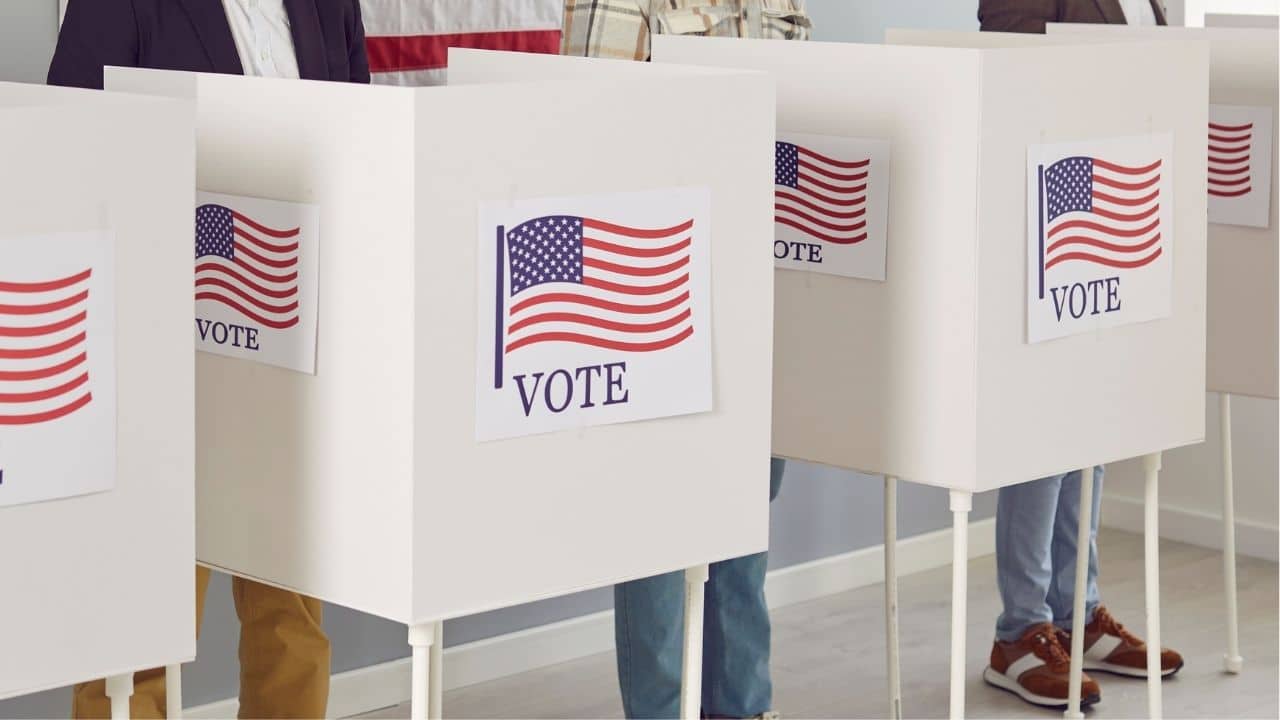
New Yorkers can report voter intimidation and improper demands for identification to a state election hotline as early voting continues through Sunday, Nov. 1, ahead of Election Day on Tuesday, Nov. 3.
Attorney General Letitia James said state and federal laws protect access to polling places and prohibit armed federal officers from policing the polls in an election protection advisory. The hotline is 1-866-390-2992, with an online complaint option at electionhotline.ag.ny.gov.

James said federal law makes it a crime to order, bring or keep troops or armed federal officers at a polling site. Her office identified Immigration and Customs Enforcement, Customs and Border Protection and the FBI among the agencies covered by those restrictions.
Members of the armed forces may not use force, threats or intimidation to prevent voting, and government officials may not use their authority to interfere with or influence a federal election. The prohibitions against intimidating, threatening or coercing voters also apply to other people, James said.
Identification, assistance and privacy
New York does not require voters to show photo identification. A first-time voter who did not provide identification when registering may be asked for identification, which can include a current utility bill, bank statement, paycheck, government check or another government document showing a name and address.
First-time voters without those documents can cast an affidavit ballot and follow up with their local Board of Elections to confirm identification. James urged voters to report improper demands for ID or proof of citizenship.
People who need assistance because of a disability or difficulty reading or writing English may bring someone to help throughout voting, including inside the booth. The helper does not have to be a citizen, registered voter or adult. A voter’s employer or union officer, or their agents, cannot serve in that role.
Election inspectors must keep others at least three feet away from someone using a privacy booth, scanner or ballot-marking device. Voters cannot be required to show their completed ballots. Firearms are banned at polling places, and campaigning, political signs and efforts to influence a vote are prohibited within 100 feet of the entrance.
Limits on poll watchers and federal monitors
Poll watchers must have a written appointment from a political party, independent body, candidate or ballot proposal committee and deliver the certificate to the election inspector. Each appointing organization may have up to three watchers per election district at a time, with only one inside the guard rail where inspectors work.
Watchers may observe, report problems and challenge eligibility in appropriate circumstances. They may not solicit votes, display or distribute campaign materials, tamper with election materials, protest an inspector’s ruling on a challenge, make repeated pretextual eligibility challenges or follow voters to a booth, scanner or ballot-marking device.
A watcher who blocks access to booths may be ordered to remain seated and removed for refusing. James also said Justice Department election monitors may be sent to New York as part of a normal monitoring process, separate from armed federal officers policing the polls.
DOJ monitors cannot demand ID, challenge voters, direct or interfere with poll workers, campaign or engage in political activity. They typically coordinate with local election officials beforehand. Poll workers encountering an unannounced person claiming to be a DOJ monitor should contact county election officials.
Reporting intimidation and immigration enforcement concerns
Under New York law, local governments and employees cannot grant immigration enforcement officers access to a polling location for immigration enforcement without a valid judicial warrant or court order, James said. Suspected illegal collaboration may be reported to her Office of Immigrant Trust.
The attorney general warned that spreading claims that voting will lead to arrest or immigration enforcement can amount to voter intimidation. Her office is working with state and local election boards and law enforcement after issuing an advisory earlier this month.
People experiencing or witnessing intimidation, interference or improper identification requests can contact the election hotline. Potentially dangerous conduct should be reported immediately to local law enforcement.

FingerLakes1.com is the region’s leading all-digital news publication. The company was founded in 1998 and has been keeping residents informed for more than two decades. Have a lead? Send it to news@fingerlakes1.com.