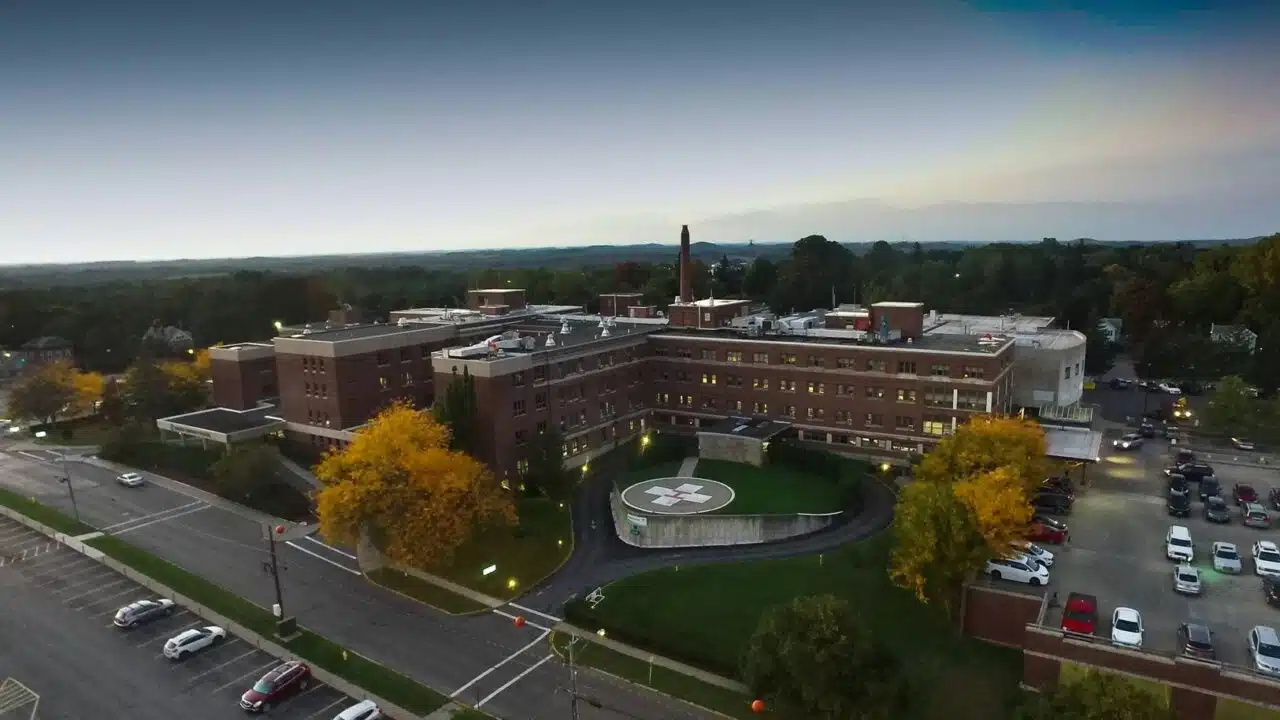
Auburn officials defended the use of development tax incentives Thursday as the city’s Industrial Development Authority prepares to review an application for a medical campus project valued at more than $76 million.
The discussion placed the proposed Auburn Community Hospital development within a broader question: how tax assistance can help finance health care facilities, housing and other projects while producing benefits for the community.

Council did not vote on the hospital’s incentive application Oct. 22. During her presentation, the authority’s executive director said the application would be considered at its next meeting.
The project follows earlier planning discussions about the hospital’s proposed North Street campus, when neighbors raised concerns about traffic, lighting and the building’s size.
Private development changes the tax discussion

Councilor Craig Diego referred to a proposed roughly $20 million tax reduction and asked officials to explain the comparison with a facility owned directly by the nonprofit hospital.
The authority’s executive director agreed with his explanation that a hospital-owned nonprofit facility would otherwise be tax exempt, while the involvement of a private developer creates a property tax obligation and an opportunity to collect payments.
The discussion did not establish the final terms of the proposed assistance.
A similar ownership issue arose with an earlier hospital project. FingerLakes1 reported in 2022 that the developer of a separate cancer treatment center sought sales, mortgage and property tax exemptions because its ownership arrangement did not carry the hospital’s nonprofit exemption.
Authority says larger benefits require outside review
The authority can offer construction-related sales tax exemptions, mortgage recording tax abatements and property tax agreements commonly called PILOTs, or payments in lieu of taxes.
Its executive director stressed that a PILOT does not necessarily eliminate property tax payments. The agreements generally provide reduced payments that increase over time before the property returns to full taxation.
She also described a policy requiring independent financial analysis when applicants seek benefits exceeding the authority’s standard terms.
Those applicants must hire an approved, qualified firm to examine whether the requested assistance is needed to make the project viable and whether the developer’s projected return falls within industry standards.
Housing costs are bringing more projects to the authority
Mayor James Giannettino pointed to the proposed redevelopment of 40–42 South Street into 22 studio and one-bedroom apartments.
The project’s estimated cost has risen from $4.3 million to $5.4 million, he said, illustrating the construction pressures affecting efforts to return vacant buildings to use.
The authority has added a housing policy defining eligible projects and potential benefits. Its executive director said higher construction and financing costs are bringing projects to the authority that might previously have proceeded without assistance.
She also identified Micron-related supply chain opportunities as a business attraction priority.
The hospital application is the next major proposal heading to the authority. Its review will address the requested assistance separately from Thursday’s council presentation.

FingerLakes1.com is the region’s leading all-digital news publication. The company was founded in 1998 and has been keeping residents informed for more than two decades. Have a lead? Send it to news@fingerlakes1.com.