Wayne Central science teacher Janis Becker is back in the classroom after treatment for a second, separate diagnosis of triple-negative breast cancer, according to a Rochester Regional Health account of her care.
Becker, who teaches eighth grade, completed her final immunotherapy infusion in September. Tissue examined after a March double mastectomy showed no evidence of cancer remaining in her breast or underarm lymph nodes, her care team said. She had been diagnosed with a new cancer in her right breast in 2025, 17 years after treatment for cancer in her left breast.
The account follows her experience across two different treatment eras. Becker said the second course was still difficult, but improvements in treatment and help coordinating care made it different from the first.
First diagnosis followed a growing lump
Becker was 38 when she noticed a lump under her left arm in 2008. Testing showed triple-negative breast cancer and cancer in nearby lymph nodes. She had no family history of breast cancer and had received a clear baseline mammogram three years earlier.
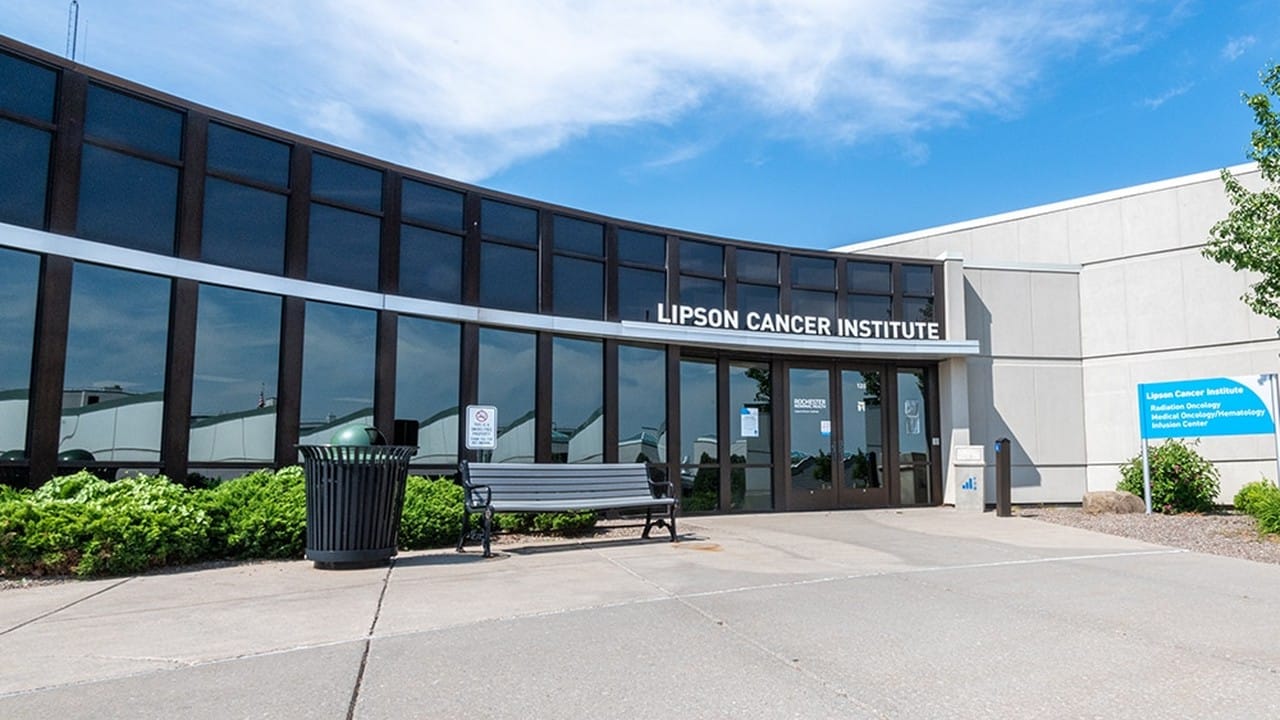
Her treatment at Lipson Cancer Institute began with six months of chemotherapy before surgery. She then underwent a lumpectomy to remove the tumor and affected lymph nodes, followed by five weeks of radiation. The chemotherapy caused severe nausea, fatigue and premature menopause, according to the health system's account.
At the time, Becker's two sons were in first and second grade. Her husband Stephen took on more household work, while relatives, friends and parents of her children's classmates helped with meals, visits and care for the boys. Scans at the end of 2008 showed no cancer remaining.
Because triple-negative breast cancer can return, Becker continued with mammograms, MRIs and follow-up appointments over the following years. Her care team also helped her manage lasting treatment effects, including hot flashes and disrupted sleep. She continued teaching and raising her family as those years passed.
A new diagnosis and a changed treatment plan
A routine mammogram in summer 2025 raised concern about Becker's right breast. Further screening and biopsies confirmed a new primary triple-negative cancer, again with a positive lymph node. Becker said the result was frightening even though she understood what treatment could involve.
From September 2025 through February 2026, she received chemotherapy before surgery. Kelly Krupa, her surgical oncologist, said the team chose that sequence because research supported it for Becker's circumstances. The March surgery at Unity Hospital removed both breasts and involved sampling tissue and lymph nodes. Three weeks of radiation at Rochester General Hospital ended in early July.
Medical oncologist Amy Bodrog said Becker's second regimen combined chemotherapy with immunotherapy while avoiding doxorubicin, a drug used during her first treatment. Repeated exposure to doxorubicin can raise concern about heart damage; Bodrog said the team did not want to give Becker more of it. Becker reported less severe nausea this time, although she still faced months of treatment and follow-up. Her immunotherapy infusions continued every three weeks for about a year.
Help navigating care and returning to work
Becker said nurse navigators were a major difference from her first diagnosis. They helped coordinate visits among medical, surgical and radiation oncology teams and social workers, and connected her with local resources. A multidisciplinary tumor board also brought specialists together to discuss care plans.
She chose not to have breast reconstruction, opting for a flat closure after the double mastectomy. Krupa said Becker wanted to return to teaching and daily life.
The Wayne Central community raised money and joined a breast cancer walk in Becker's honor while she was away from school. Colleagues also made a small classroom-themed likeness of her that traveled around the school so she could stay connected to students and staff. Becker found support through the Breast Cancer Coalition of Rochester as well.
Now she is back teaching and spending time with family and friends. Becker said the ordinary parts of her life, including being in her classroom and seeing her grown sons, are how she wants to mark the end of treatment.

FingerLakes1.com is the region’s leading all-digital news publication. The company was founded in 1998 and has been keeping residents informed for more than two decades. Have a lead? Send it to news@fingerlakes1.com.