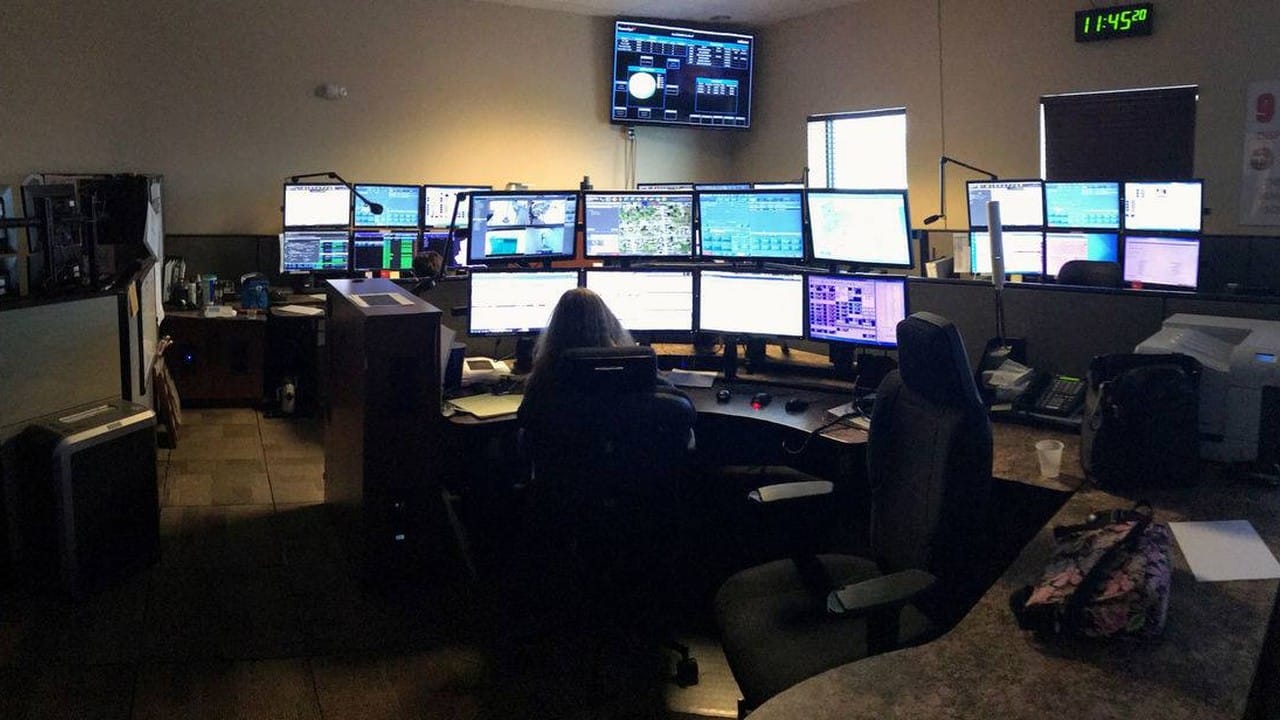
Cayuga County’s 911 center is scheduling dispatchers for 16-hour double shifts, and another employee plans to leave Oct. 28, adding pressure to a workforce already stretched by resignations, retirements and absences.
911 Administrator Ben Guzalak told the Judicial and Public Safety Committee on Oct. 14 that the center had logged 311 overtime hours since the start of October. Committee Chair Mark Strong called the staffing situation an emergency and urged lawmakers to work with management, human resources and the union on a lasting solution.

The discussion produced support for filling a vacant supervising dispatcher position and moving salary money into the depleted overtime account. Broader changes to dispatcher pay remained under discussion, following a September decision to table proposed raises for 911 supervisors and Social Services employees.
Another departure adds to the overtime load
Guzalak said a dispatcher submitted two weeks’ notice that day, with the resignation effective Oct. 28. The announcement came as existing employees were covering vacancies along with vacations and sick leave.
He said the center had reached a point where dispatchers were being scheduled for doubles because there was no one else available to fill the shifts. It was the first time that had happened since he began working there, he said.
Every departure means more overtime for those who remain, Guzalak told lawmakers. He warned that the workload could continue to build as employees leave and the remaining staff work harder to maintain coverage.
A couple of employees were working through training and could be cleared by the end of the month, he said. That would help, but the center was already asking a great deal of its staff.
Strong emphasized that finding applicants is only part of the problem. Even after someone is hired, he said, it can take a year to 15 months before the employee is qualified to handle the full duties of a dispatcher.
He urged lawmakers to address retention as well as hiring, rather than repeatedly replacing experienced employees with recruits who still need extensive training.
“It’s an emergency, folks,” Strong said. “It falls on this legislature to fix this problem.”
Pay options remain unsettled after September debate
FL1 reported in September that lawmakers tabled a proposal to raise supervising dispatchers from Grade 14LH to Grade 15LH, along with increases for several Social Services positions. The debate involved union negotiations, recruitment and whether the proposed increases would be enough to keep employees.
Lawmakers were told during that earlier discussion that only one of four authorized supervising dispatcher positions was filled. They also approved creating two emergency services dispatcher positions through the state’s HELP hiring program and appointed Guzalak as administrator.
At Wednesday’s committee meeting, Strong again asked that the 911 compensation issue be considered separately from Social Services. He said the two departments’ staffing problems deserved separate resolutions so lawmakers could address each one.

Strong described a proposed supervisory increase of about $3,000 as inadequate. He said he had brought human resources a retention proposal intended to give current employees a reason to stay.
Legislator Elane Daly said officials were discussing whether Cayuga County could establish an entry-level dispatcher grade and a higher grade for employees who complete training, citing a similar approach in Onondaga County. She presented that as an option to examine, not an approved pay change.
Daly said any higher dispatcher grade would also have to account for pay compression — the gap between dispatchers’ earnings and their supervisors’ compensation. She noted that internal pay relationships and the status of union discussions would need to be considered.
Legislator Aileen McNabb-Coleman urged a fuller discussion with human resources present. She wanted lawmakers to hear directly what options were available, rather than continue debating possible solutions without the department in the room.
She also connected the 911 debate to the county’s recurring problems retaining trained employees in Social Services and mental health. Daly said losing workers after investing in their training makes those shortages harder to resolve.
Committee backs a vacancy request and overtime transfer
The committee approved moving forward with a request to fill a vacant supervising emergency services dispatcher position following a resignation the previous month.
Members also supported transferring money from the 911 salary account to overtime. Guzalak said the center had exceeded its overtime appropriation and the transfer would cover the shortfall. Those committee actions address an opening and the immediate budget pressure; the discussion over a broader compensation plan remained unresolved.
Two other 911 measures advanced: purchasing six chairs designed for round-the-clock dispatcher use and renewing maintenance for the center’s recording software. Guzalak said $12,000 had been budgeted for the chairs at the start of the year. The software agreement would renew annual maintenance with Interaction Insight, the center’s existing vendor.
Backup system kept calls moving during phone outage
The staffing debate was separate from a recent telephone outage that Strong attributed to Verizon equipment, rather than a failure by the 911 center’s employees.
Strong said emergency calls automatically went to Seneca County, which relayed information to Cayuga County so responders could be dispatched. He told the committee no 911 calls were missed and praised the staff for carrying out the backup plan.
McNabb-Coleman thanked the center’s employees but raised concerns about how information reached the Legislature during the outage. She said lawmakers needed timely updates both to answer residents’ questions and to make sure the department had support.
Looking ahead, Strong warned that failure to address staffing could eventually leave callers unable to get through for help.
He said he would raise the staffing issue again at the end of the month and remained willing to meet with anyone who could offer a workable solution.

FingerLakes1.com is the region’s leading all-digital news publication. The company was founded in 1998 and has been keeping residents informed for more than two decades. Have a lead? Send it to news@fingerlakes1.com.