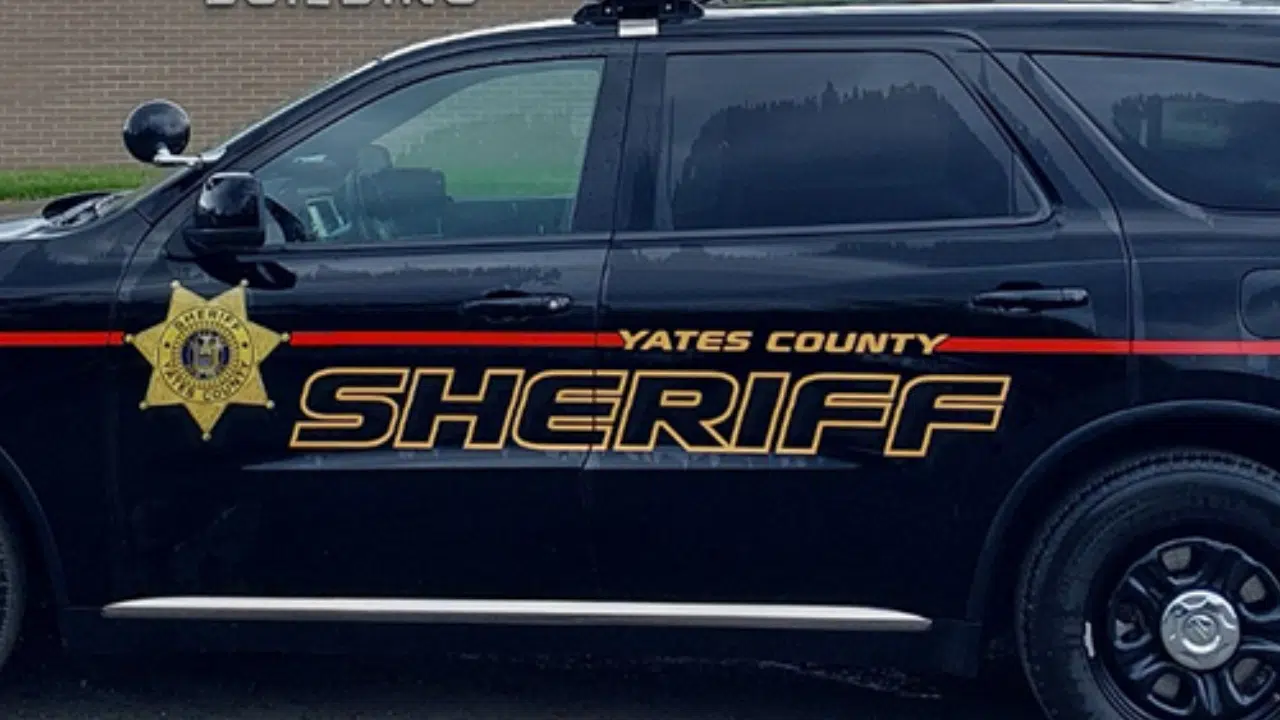
Yates County has approved an animal-abuser registry that will restrict access to pets for residents convicted of specified animal-cruelty crimes, with seven-year registration for a first covered conviction and lifetime registration after a subsequent offense.
The Yates County Sheriff's Office announced the Legislature's approval of Local Law 2 of 2026 and posted the law on its animal-abuse registry page. The measure directs the Sheriff's Office to maintain the online registry and requires shelters, pet dealers and others transferring pets to check it before handing over an animal.

The law takes effect upon filing with the New York secretary of state. Its registration requirement applies to covered convictions on or after that effective date, rather than automatically adding everyone previously convicted of an animal-abuse offense.
The sheriff's announcement credited Yates County District Attorney Todd Casella and County Attorney Scott Falvey with helping create the law. The Legislature's stated goal is to reduce repeated animal cruelty by identifying people convicted of covered crimes and limiting their access to animals.
Who must register
The registry covers Yates County residents age 18 or older convicted of offenses listed in the law. Youthful offenders whose convictions or adjudications involve sealed records are excluded.
Covered crimes include animal fighting, cruelty and aggravated cruelty, abandonment, failure to provide food or drink to an impounded animal, cruel transportation, poisoning and animal theft. The list also includes prohibited ear cutting, interference with certain domestic animals, placing harmful substances in public places and taking dogs for research purposes.
Specified Penal Law offenses are covered as well, including sexual misconduct involving an animal and crimes involving harm to police animals, service animals or animals trained to assist people with disabilities. The law also includes convictions on reduced charges when the original offense was among its listed animal-abuse crimes.
People required to register must do so within five days of release from incarceration or, if they were not incarcerated, the judgment of conviction. Prosecutors must send the Sheriff's Office the person's name, address and covered offense to notify the agency of the registration obligation.
The registry will contain names and residence information. A first covered conviction generally brings seven years of registration, while a subsequent covered conviction brings lifetime registration. If a conviction is successfully appealed, the Sheriff's Office must remove the person's information within five days of being notified.
Annual updates and a registration fee
Registrants must provide their name and aliases, town of residence, date of birth and a clear facial photograph. The photograph cannot be altered with software, phone apps, filters or artificial intelligence.
Each year, they must appear in person at the Sheriff's Office within 20 days of their registration anniversary to verify or update their information and provide a new photograph. Changes to a residential address or an official name must be reported within five days.
A one-time $125 registration fee will help pay the registry's administrative and maintenance costs. People unable to afford it may ask the sheriff for a waiver; the sheriff will investigate the request and decide whether to grant it.
The law also authorizes the sheriff to adopt rules needed to implement the registry. The county's online registry is to include links to other available animal-abuser registries in New York for shelters and pet dealers to consult.
Restrictions extend beyond buying or adopting pets
People registered or required to register cannot own, possess, live with, have custody of or intentionally make physical contact with a companion animal or pet. The law defines those animals as dogs, cats and other domesticated animals normally kept in or near a household, excluding farm animals.
Shelters, pet dealers, individuals and other entities in Yates County must check the registry before selling, exchanging or otherwise transferring ownership of a pet. They cannot transfer a pet to a listed person who lives in Yates County. If the online registry is unavailable, they may call the Sheriff's Office to check a prospective owner's name.
The transfer restrictions and possession-penalty provisions identify exceptions for farm animals for farmers and service animals for people with disabilities.
Violations can bring jail time or fines
Failure to register is a misdemeanor carrying up to 364 days in jail, a fine of up to $2,000, or both. Violating the pet-possession prohibition is also a misdemeanor, with the same maximum jail term and a fine of up to $5,000.
A shelter, dealer, individual or entity that knowingly violates the transfer restrictions can face a violation and a fine of up to $5,000. The law allows a first transfer violation to go without a fine, while subsequent violations are subject to prosecution and fines.
A transferor does not violate the law if they can prove they checked the registry and the recipient's name was not listed. The complete law and related documents are available through the Sheriff's Office registry page.

FingerLakes1.com is the region’s leading all-digital news publication. The company was founded in 1998 and has been keeping residents informed for more than two decades. Have a lead? Send it to news@fingerlakes1.com.