

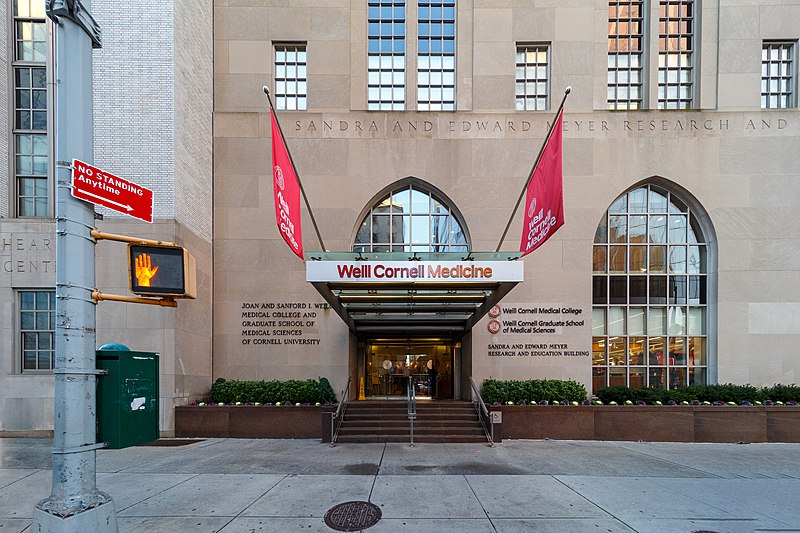
Weill Cornell Medicine researchers have received a $17.4 million federal grant to develop shorter, safer and simpler tuberculosis treatments. The five-year award from the National Institute of Allergy and Infectious Diseases will support four connected projects examining why some tuberculosis bacteria survive therapy.
Current antibiotic regimens can cure tuberculosis, but patients typically must take the drugs for four to six months. Researchers said side effects, cost and social stigma can lead people to stop treatment early, increasing the risk of relapse and drug-resistant infections.

Four projects will target bacterial survival
The program is intended to shift tuberculosis drug development toward designing medicines from the outset to work in the combinations required for a cure. Weill Cornell investigators said they need a better understanding of how antibiotics work inside infected people, where conditions differ from those in laboratory tests.
Kyu Rhee and Dirk Schnappinger are co-principal investigators on the grant. They and Carl Nathan will lead three of the projects, while Jeremy Rock of Rockefeller University will direct a fourth.
Schnappinger's laboratory will use a gene-silencing system tailored for tuberculosis bacteria to test whether switching off particular bacterial genes can kill the organisms rather than merely stop their growth.
Rhee's team will study rifampin and pyrazinamide, two antibiotics that already help shorten tuberculosis treatment. Researchers will examine whether the mechanisms behind those drugs can be used to identify additional ways to reduce treatment time.
Rock's team will build an atlas of genetic interactions within tuberculosis bacteria. The project aims to identify combinations of targets that could weaken the bacteria and make them more vulnerable to treatment.
Nathan's group will use a genome-wide method developed by Rock to identify genes that tuberculosis bacteria need to survive under conditions resembling infected tissue. Proteins produced by those genes could become targets for drugs designed to overcome bacterial tolerance and speed a cure.
Single-cell tools will track hard-to-kill bacteria
The research will also use single-cell technologies and machine-learning methods developed by investigators at Weill Cornell and Tufts University. Those tools will measure how individual bacteria respond to drugs and genetic changes.
Researchers hope the approach will reveal small bacterial populations that survive longer and contribute to extended treatment times. The teams bring expertise in genomics, metabolomics, bioinformatics and clinical methods to the effort.
Tuberculosis most commonly affects the lungs and remains among the world's 10 leading causes of death, according to the World Health Organization. Patients who stop treatment before they are cured can relapse with disease that is harder to treat and may transmit drug-resistant bacteria to others.
Weill Cornell researchers have worked on tuberculosis therapies for more than 50 years. Treatment duration has fallen from about 18 months to several months, but the investigators said the remaining burden is still too high for many patients.

FingerLakes1.com is the region’s leading all-digital news publication. The company was founded in 1998 and has been keeping residents informed for more than two decades. Have a lead? Send it to news@fingerlakes1.com.