

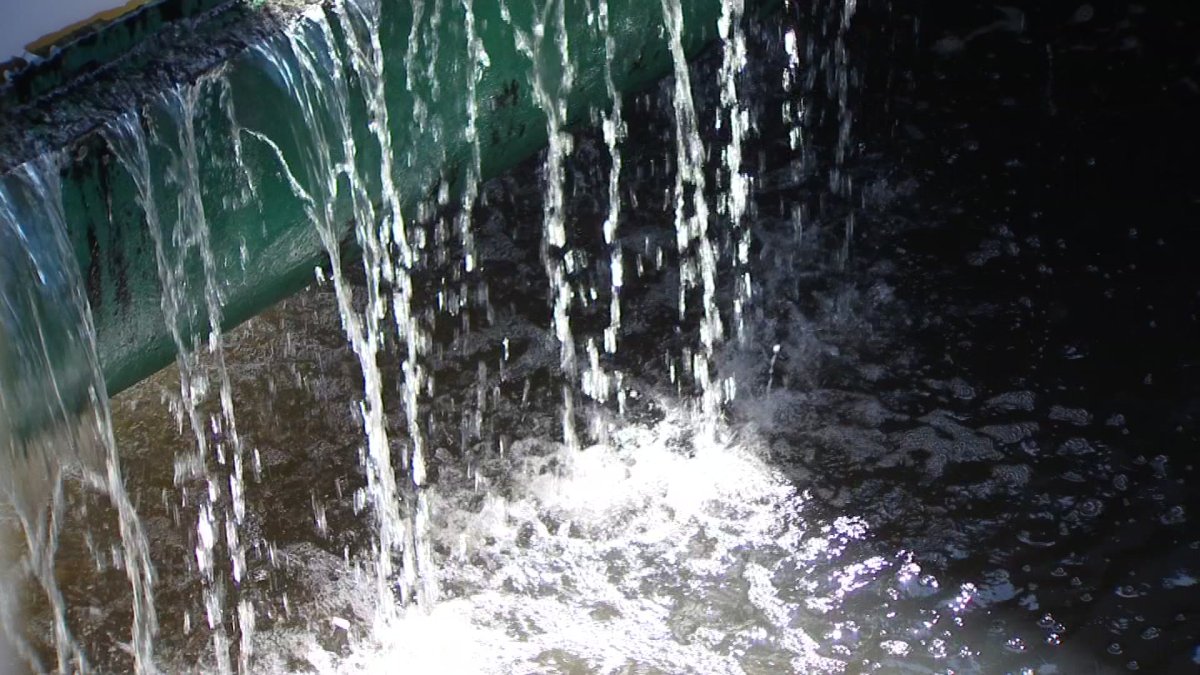
Buffalo has completed a $72 million upgrade at the Bird Island Wastewater Treatment Facility designed to handle heavier flows during intense rain and reduce untreated sewage discharges into the Niagara River.
The first phase of improvements modernizes treatment systems dating to the 1970s and advances the Buffalo Sewer Authority's long-term plan for aging wastewater infrastructure.
The state financed the work with $42 million in grants and $30 million in low-cost financing. Officials said that package is projected to save the city more than $70 million in interest compared with traditional borrowing.
The facility was built in the 1930s and last received a major upgrade in the 1970s. The completed work increases capacity and treatment reliability during high-flow periods, when combined wastewater and stormwater systems face additional pressure.
Grants covered more than half the cost
The state Environmental Facilities Corp. provided $32 million in grants through the Water Infrastructure Improvement program and the Clean Water State Revolving Fund. That amount includes state-directed funding from the federal Infrastructure Investment and Jobs Act.
The Department of Environmental Conservation contributed a $10 million Water Quality Improvement Project grant. The Environmental Facilities Corp. supplied the remaining $30 million through low-cost Clean Water State Revolving Fund financing.
DEC has awarded the Buffalo Sewer Authority $40 million since 2021 for seven projects tied to its long-term control plan, including the $10 million used for the completed Bird Island phase.
The authority developed that plan with DEC to bring aging infrastructure into compliance with wastewater-treatment requirements and protect the Niagara River and its tributaries. DEC delivered the long-term control plan in September 2025. The Bird Island work is intended to reduce combined sewer overflows while improving public-health and environmental protections across Western New York.
More sewer work is planned
The Environmental Facilities Corp. has committed another $137 million to Buffalo projects that are underway or expected to begin soon. Those projects will include additional treatment upgrades and sewer-system improvements.
Environmental Facilities Corp. President Maureen Coleman said the grants covered more than half of the completed project's cost, while the financing reduced the burden on Buffalo ratepayers. DEC Commissioner Amanda Lefton said improving Niagara River water quality also supports wildlife, habitat and economic development.
U.S. Sen. Charles Schumer said $32 million in federal funding from the infrastructure law helped complete the project. U.S. Sen. Kirsten Gillibrand and Rep. Timothy Kennedy said the modernization supports clean water, public health and reliable infrastructure in Western New York.
Buffalo Mayor Sean Ryan called the project the first phase of a broader effort to improve the city's waterways. Buffalo Sewer Authority Principal Sanitary Engineer Rosaleen Nogle said the work was completed through the Queen City Clean Waters initiative and the authority's long-term control plan.
New York's fiscal year 2027 budget includes a $3.75 billion water-infrastructure investment plan. State officials said total clean-water grant commitments have reached $10 billion since 2017, supporting additional municipal projects across New York through grants and revolving-fund financing.

FingerLakes1.com is the region’s leading all-digital news publication. The company was founded in 1998 and has been keeping residents informed for more than two decades. Have a lead? Send it to news@fingerlakes1.com.