

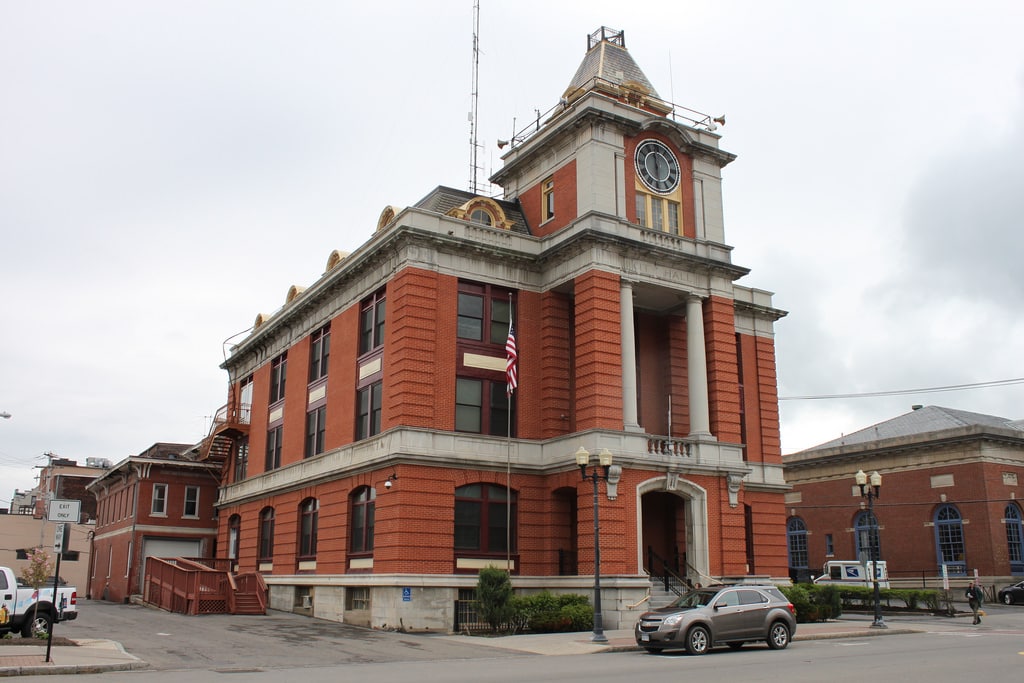
Geneva City Council will take up several infrastructure and development questions Sept. 15 as officials continue trying to balance investment in roads, utilities and aging facilities against a long-term goal of reducing city debt.
One of the most direct questions involves Idelwood Drive, an undeveloped city-owned right-of-way near Ridgewood Drive and Ada Street, where a property owner wants to build two houses. Council is being asked to determine whether city resources should be used to construct roadway and utility infrastructure needed to serve the properties.

The Wednesday agenda materials say water and sewer service is already available for connection, but no road currently serves the two lots. One alternative would be allowing the property owner to construct a driveway within the city-owned right-of-way instead of having the city build a roadway.
The financial impact of the proposal is listed as to be determined.
The question comes as city officials are trying to limit new borrowing while acknowledging that delaying infrastructure projects does not eliminate their eventual cost.
Debt reduction has pushed projects into later years
Acting City Manager Taylor Youngs told council during the Sept. 9 budget presentation that the proposed five-year capital improvement plan was intentionally constrained to reflect council’s debt-reduction priorities.
The city’s general fund debt-to-revenue ratio is projected at about 71.7% in 2027 and approximately 60.7% by 2031, moving Geneva toward council’s adopted 60% target.
To move toward that goal, several projects have been delayed or kept outside the funded five-year capital plan.
Previous council materials identified projects including portions of the lakefront seawall, several street reconstructions, fire engine replacements, a recreation complex local match and other infrastructure needs that are not currently scheduled within the five-year general fund program.
Youngs has repeatedly cautioned council that removing projects from the capital plan does not make those needs disappear.
That creates a continuing policy question for council: how much work can be deferred before the financial benefit of lower borrowing is outweighed by infrastructure deterioration or higher future costs.
Castle Creek repair moves forward
Council will also consider declaring itself lead agency for environmental review of proposed improvements to the Castle Creek gabion retaining wall behind 51 Geneva Street near the Exchange Place parking lot.
The approximately 80-foot-long retaining wall was damaged during severe storms and flooding July 9-10, 2023.
City staff has been working with the Federal Emergency Management Agency and New York State Division of Homeland Security and Emergency Services to secure funding to restore the infrastructure to its pre-disaster condition.
The Sept. 15 resolution would make the city lead agency for the State Environmental Quality Review Act process. City officials said there is no immediate fiscal impact from that action and anticipated FEMA assistance would offset project costs.
Housing and infrastructure intersect
Housing is another recurring part of the infrastructure debate.
Council’s Sept. 15 meeting includes a public hearing tied to possible Community Development Block Grant applications for housing-related activities.
City officials are considering one application that could help reduce taxpayer costs associated with the lead service line project and another that could expand housing rehabilitation assistance for additional owner-occupied homes.
The Idelwood Drive discussion presents the issue in a different form: whether the city should invest directly in public infrastructure that would allow private housing construction to move forward.
Geneva has faced similar questions elsewhere. Earlier council records identified Crystal Street infrastructure work as an important step toward future residential construction, with the project laying groundwork for additional housing.
The Sept. 15 meeting therefore brings several related fiscal questions together at the same time: which infrastructure work is necessary now, which projects can wait, when outside funding makes investment more feasible and when city spending is justified to support new development.
Those decisions will occur while council is simultaneously reviewing a 2027 budget designed to limit new commitments and reduce the city’s reliance on debt.

FingerLakes1.com is the region’s leading all-digital news publication. The company was founded in 1998 and has been keeping residents informed for more than two decades. Have a lead? Send it to news@fingerlakes1.com.