

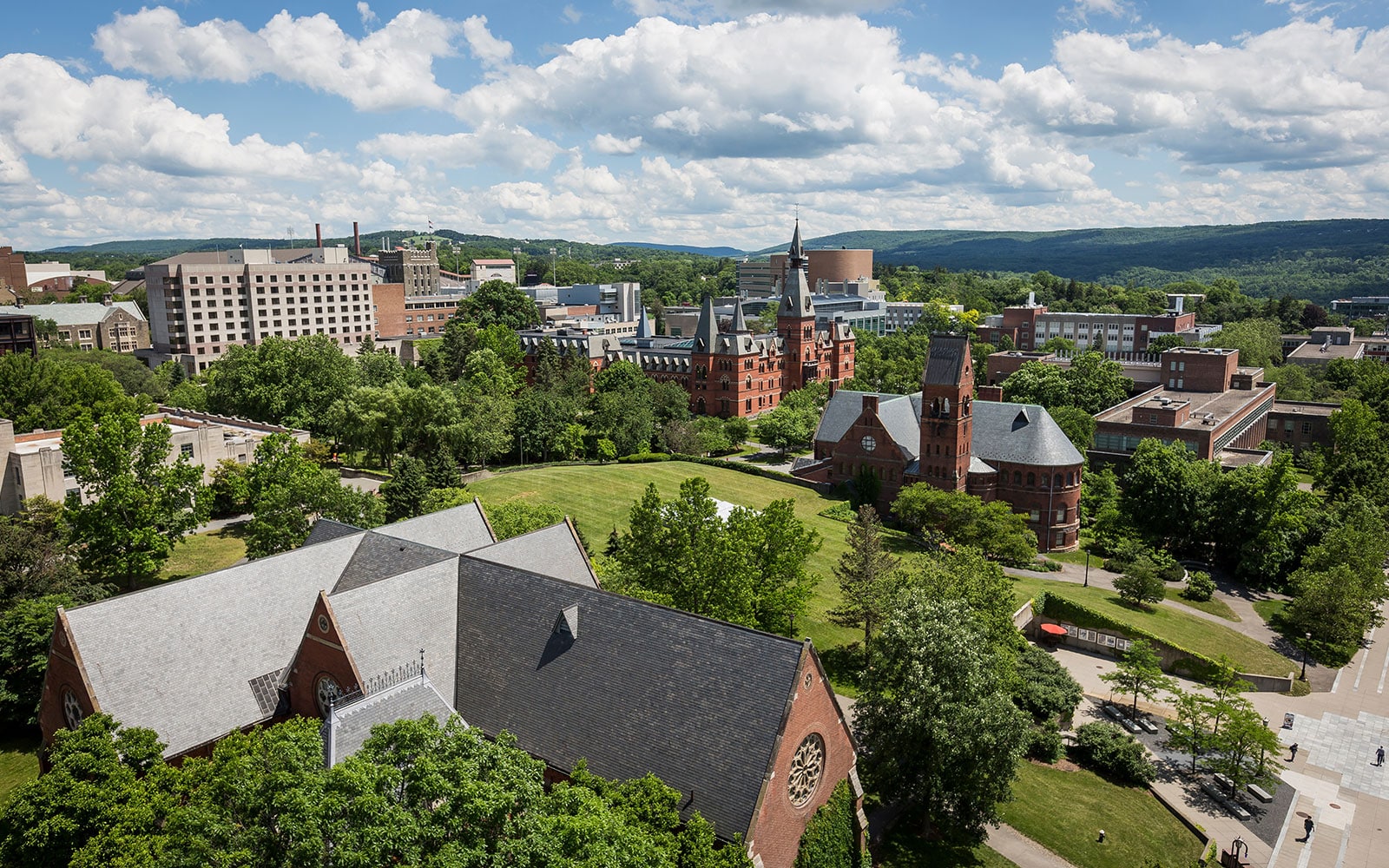
Cornell University is offering a new science, technology and society major with a curriculum that brings science, social science and humanities coursework together to examine problems that cannot be solved through technical work alone.
The College of Arts and Sciences said it is expanding and refining the program around both theory and practical experience. Students will study how scientific and technological choices intersect with institutions, policy and the people affected by them.

The curriculum includes a sequence of new classes and a third-year practicum. In that course, policy experts from government and nongovernmental organizations will come to campus to work with students, according to the college.
Students will write white papers about problems that need solutions, including climate change, regulation of artificial intelligence and medical ethics, said Suman Seth, chair of the Department of Science and Technology Studies. The college described the work as a way to apply the field's methods to current questions rather than study those issues only in the abstract.
Malte Ziewitz, an associate professor in the department and director of Cornell's Digital Due Process Clinic, said challenges involving data centers, genome editing and voting technologies require people who can work across disciplines. He said the major is designed to develop analytical skills and judgment as those technologies and their consequences change.
The examples show the breadth of the program, from climate and medical questions to rules governing information and elections. The college said the major combines the perspectives of science, social science and the humanities rather than treating any one as a complete answer.
Seth said Cornell plans to draw on its connections to bring outside practitioners into the practicum. The college did not provide enrollment figures, admission requirements or a starting date for the new class sequence in its announcement.

FingerLakes1.com is the region’s leading all-digital news publication. The company was founded in 1998 and has been keeping residents informed for more than two decades. Have a lead? Send it to news@fingerlakes1.com.