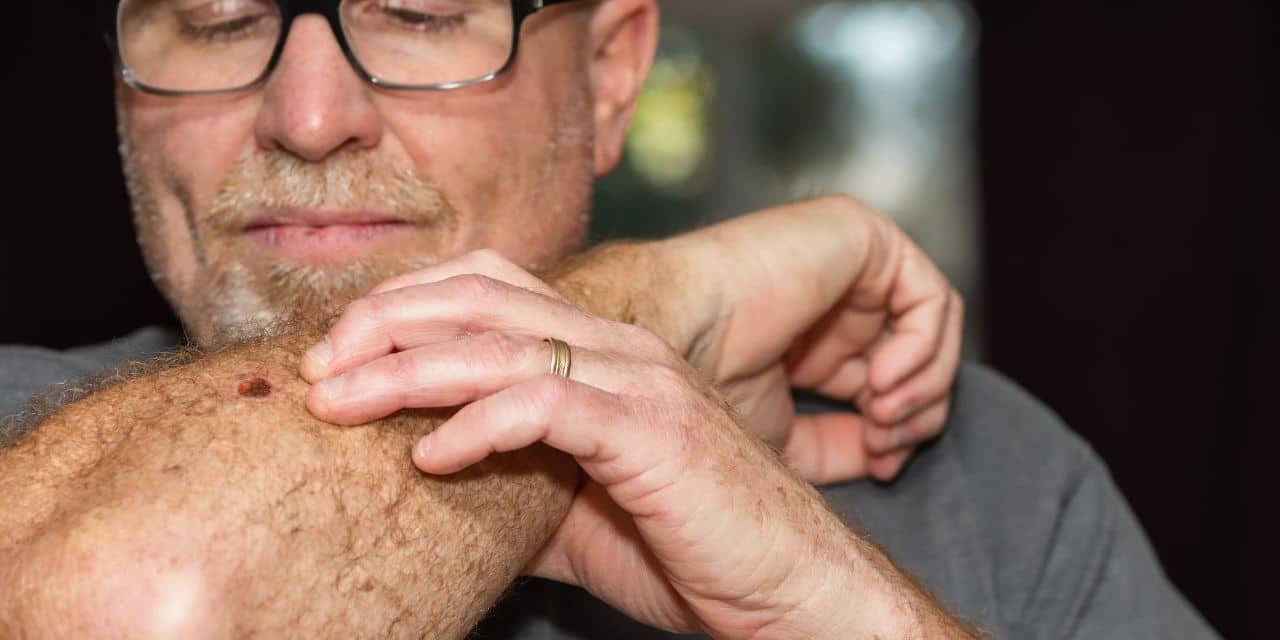
A single severe, blistering sunburn can damage skin-cell DNA and increase a person's lifetime risk of some skin cancers, University of Rochester Medicine specialists warned in new summer health guidance.
Children and teenagers are particularly vulnerable because of the biology of their pigment-producing cells, frequent sun exposure and inconsistent use of sun protection, according to doctors at Wilmot Cancer Institute and Golisano Children's Hospital.

Sunburn occurs when ultraviolet radiation damages DNA inside skin cells. Adrienne Victor, an oncologist at Wilmot Cancer Institute, said mistakes can occur as the body repairs that damage, allowing mutations to accumulate over time and contribute to skin cancer.
Jinia El-Feghaly, chief of pediatric dermatology at Golisano Children's Hospital, said repeated burns during childhood are associated with higher cancer risk even if a person's sunburns become less frequent as an adult.
Treating a serious burn
Mild sunburns may improve within several days, while severe burns can take a week or longer to heal. Cool compresses, fluids and appropriate moisturizers can ease discomfort.
Peeling is common as damaged skin cells are shed, but doctors cautioned that peeling does not mean the underlying damage has healed. Blisters should not be popped because doing so can raise the risk of infection.
UR Medicine advises seeking medical evaluation for extensive blistering, severe pain, fever or other concerning symptoms.
Prevention requires several layers
Doctors recommend combining broad-spectrum sunscreen with protective clothing, hats and shade. People should also limit direct sun exposure when ultraviolet levels are highest.
Victor said the strongest evidence identifies ultraviolet exposure, not sunscreen ingredients, as the primary cause of most skin cancers.
Although people with lower Fitzpatrick skin types are more likely to burn, skin cancer can affect people with every skin type, the health system said. The Fitzpatrick scale classifies skin by how it typically responds to sunlight, including whether it burns or tans.
Monroe County has one of New York's highest melanoma incidence rates, according to UR Medicine. The health system has worked with community organizations to install free sunscreen dispensers around the county.
Some children need specialized monitoring
Routine skin checks are not generally recommended for all children, El-Feghaly said. Specialized monitoring may be appropriate for children with a strong family history of melanoma, certain genetic conditions or specific high-risk birthmarks.
A pediatrician may also refer a child to a dermatologist for a changing skin lesion or a wound that does not heal.
Doctors said the visible burn may fade within days or weeks, but UV-related DNA damage can last much longer, making prevention during childhood important to reducing risk later in life.

FingerLakes1.com is the region’s leading all-digital news publication. The company was founded in 1998 and has been keeping residents informed for more than two decades. Have a lead? Send it to news@fingerlakes1.com.