


Auburn city leaders could move a major drinking water infrastructure project forward Thursday as the City Council considers borrowing up to $13 million for improvements to the Franklin Reservoir and other parts of the municipal water system.
The water project will headline a business session that also includes grant applications, roadwork and bridge agreements, park funding, budget adjustments and plans to transform an unused section of Casey Park into a bicycle and pedestrian safety course.

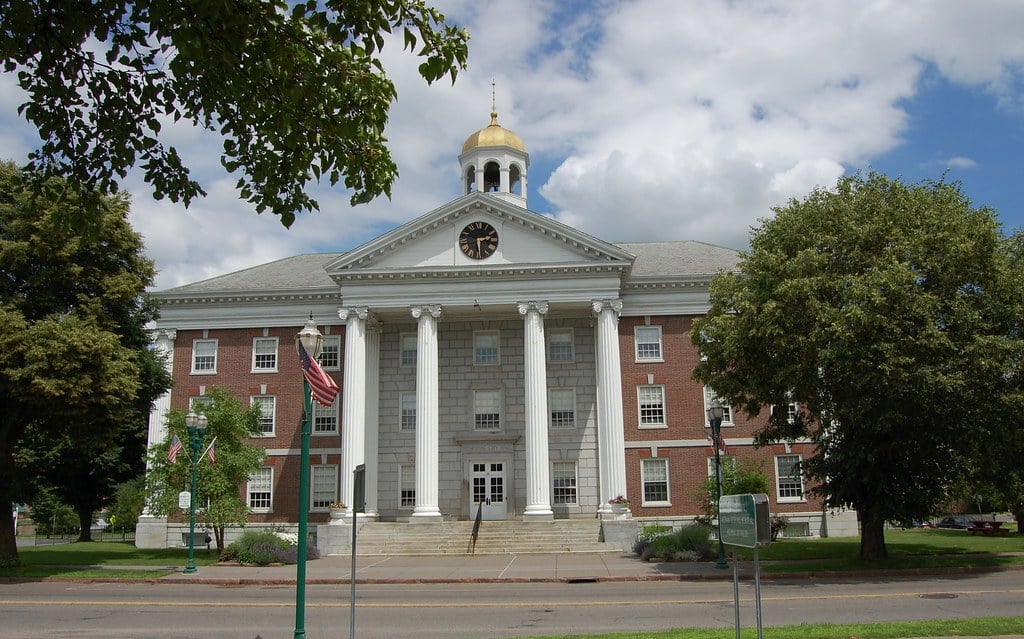
The council meeting begins at 5 p.m. at Memorial City Hall.
The proposed water system work includes rehabilitating the Franklin Reservoir, constructing a storage tank with capacity of up to 1 million gallons and replacing about 500 feet of a 30-inch transmission main in the town of Sennett.
The city also plans to upgrade Auburn’s Lower Pump Station and install automatic standby power. Consultants found the station may not be able to meet system demands while the reservoir is out of service.
The preferred plan carries an estimated project cost of $13.03 million, including approximately $380,000 in financing issuance costs. Council members will consider an environmental resolution finding that the work would not have a significant adverse environmental impact.
They are also scheduled to vote on an ordinance authorizing up to $13 million in bonds for reservoir and Water Fund capital projects.
To reduce the amount placed on water customers, the city plans to apply for up to $5 million through the state Water Infrastructure Improvement Act. Auburn would seek low-interest or interest-free financing for the remaining cost through the state Environmental Facilities Corporation.
Another grant application would seek up to $75,000 through the state’s STOP Violence Against Women program. The Auburn Police Department would partner with Cayuga Counseling Services on equipment, training and victim services.
The program does not require a local funding match. Cayuga Counseling Services would use part of the funding to support a full-time victim specialist.
Council members will also consider accepting state parks and recreation funding, although the agenda’s summary does not identify the amount. A separate resolution would declare city property surplus and authorize its donation to a nonprofit organization.
Road and bridge projects are also on the agenda. The council will consider a change order with Northern Asphalt LLC for Auburn’s 2026 road improvement program and a supplemental agreement with the state Department of Transportation for right-of-way acquisition and related work connected to the Aurelius Avenue bridge replacement.
Several budget adjustments are proposed. One would recognize $12,047 from an opioid settlement with Target Corp. The city plans to use the money for Auburn Ambulance Department equipment used when responding to overdose patients.
The same resolution would account for insurance proceeds after a 2023 Ford Explorer used by the Police Department was damaged by a falling tree. The department would be responsible for a $1,000 deductible.
- Auburn advances $13 million water project, approves contracts and weighs data center restrictions
- Auburn council to weigh water project, employee contracts and housing deadlines
- What else happened at last week’s Auburn City Council meeting?
- Auburn renews school police contract, accepts $193K violence prevention grant
A community recreation proposal would allow Cayuga County to convert the former skate park area at Casey Park into a traffic garden. The child-sized street layout would give children a controlled place to learn bicycle and pedestrian safety.
The county Health Department received state grant funding for the project and would cover its design, materials, painting, signs and installation. Auburn’s contribution would largely be limited to minor pavement repairs, striping and staff assistance.
The traffic garden would support the county’s Kids on Wheels program while remaining available as a free public recreation and education facility.
The council will also hear public comments, receive the city manager’s report and consider routine operating budget transfers before adjournment.

FingerLakes1.com is the region’s leading all-digital news publication. The company was founded in 1998 and has been keeping residents informed for more than two decades. Have a lead? Send it to news@fingerlakes1.com.