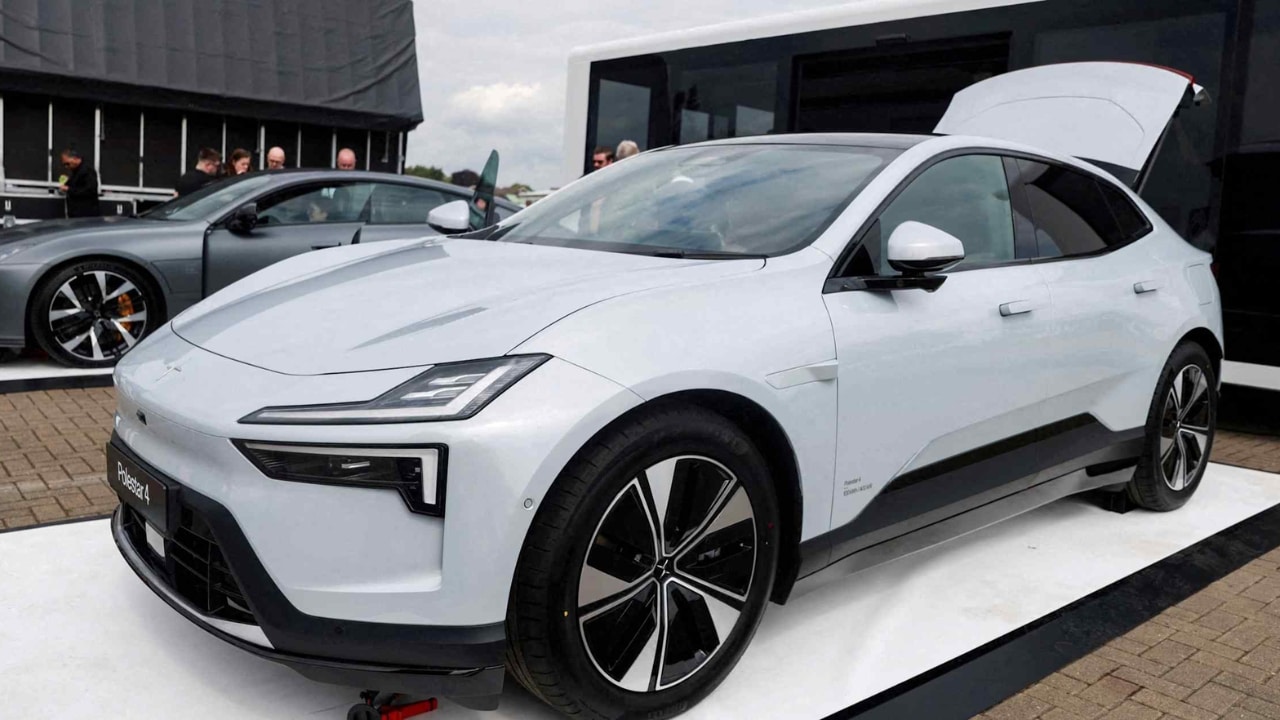
The U.S. auto industry is undergoing yet another major change as Swedish electric-vehicle maker Polestar said it will stop selling new vehicles in the country starting with the 2027 model year. The move follows new government restrictions on connected-vehicle technology tied to China and Russia, highlighting the increasing influence of national security concerns on the global auto industry and forcing automakers to rethink supply chains, software development, and vehicle production for one of the world’s largest auto markets.
Polestar Halts U.S. Sales Following Government Ban
Polestar will cease U.S. car sales following a government ban on connected vehicle tech, sparking debate across the auto sector. The company is halting future U.S. sales following the latest government laws targeting autos with some linked technology originating from China. Polestar is working on long-term solutions, but consumers in the United States will have limited availability of new cars until the company is in full compliance with the current rules.
Connected Vehicle Tech on the Chopping Block
The new government regulations are intended to mitigate national security dangers posed by connected vehicle technologies. Such systems are hardware and software that link up to the internet and enable automobiles to exchange data, get updates, and offer enhanced driver assistance capabilities.
Officials say technology created or supplied by corporations with ties to China or Russia could pose cybersecurity risks. Therefore, car manufacturers must make sure their vehicles comply with exacting standards before they are marketed in the U.S. market.
Why Polestar Is Impacted
The firm is one of the auto companies most affected by the new laws because it builds a number of its electric vehicles in China. As production has moved to other countries, some of the existing models still use components or software that are subject to the restrictions.

Polestar has decided to recalibrate its manufacturing and technology approach and exit the U.S. market rather than continue selling cars that do not satisfy its criteria. The company says it is dedicated to returning to the U.S. market as soon as feasible.
How It Affects Customers and Dealers
The upcoming sales halt facing significant uncertainty. New inventory will remain limited to existing 2026 models, but existing owners should not anticipate losing access to their vehicles or current services.
Industry experts expect the company to offer more information as it navigates regulatory restrictions and moves forward with manufacturing plans.
A Rising Challenge for Global Automakers
Polestar is not the only automaker under the microscope over linked vehicle technologies. Automakers globally are scrutinizing software vendors, electronic parts, and manufacturing sites to verify they are in conformity with evolving rules.
The recent limits are part of a wider trend where cybersecurity, data privacy, and geopolitical considerations are becoming as critical as vehicle performance and pricing. Manufacturers with worldwide output could be forced to make large investments in alternate sources and local production to gain and sustain access to major markets.
What’s on the Horizon for Polestar
Polestar said it is working hard to meet U.S. regulatory standards through adjustments in sourcing and production. The corporation might be able to restart normal sales in the country with future models made outside China or with compliant technologies.
The timing is still undetermined, but the firm continues to market itself as a luxury electric vehicle brand with an emphasis on innovation and sustainability. The hold, until then, is another sign of how government policy is dictating the future of the global electric vehicle industry.