For most of the last century, entertainment asked very little of us. You sat down, the screen lit up, and the story unfolded whether you leaned in or fell asleep halfway through. That arrangement is quietly coming apart. Audiences who grew up tapping, swiping and clicking have developed a low tolerance for sitting still, and they increasingly expect the things they watch to respond when they reach out. The result is a category that barely had a name a few years ago and now shapes how millions of people spend their evenings: playable entertainment.
What “Playable Entertainment” Actually Means
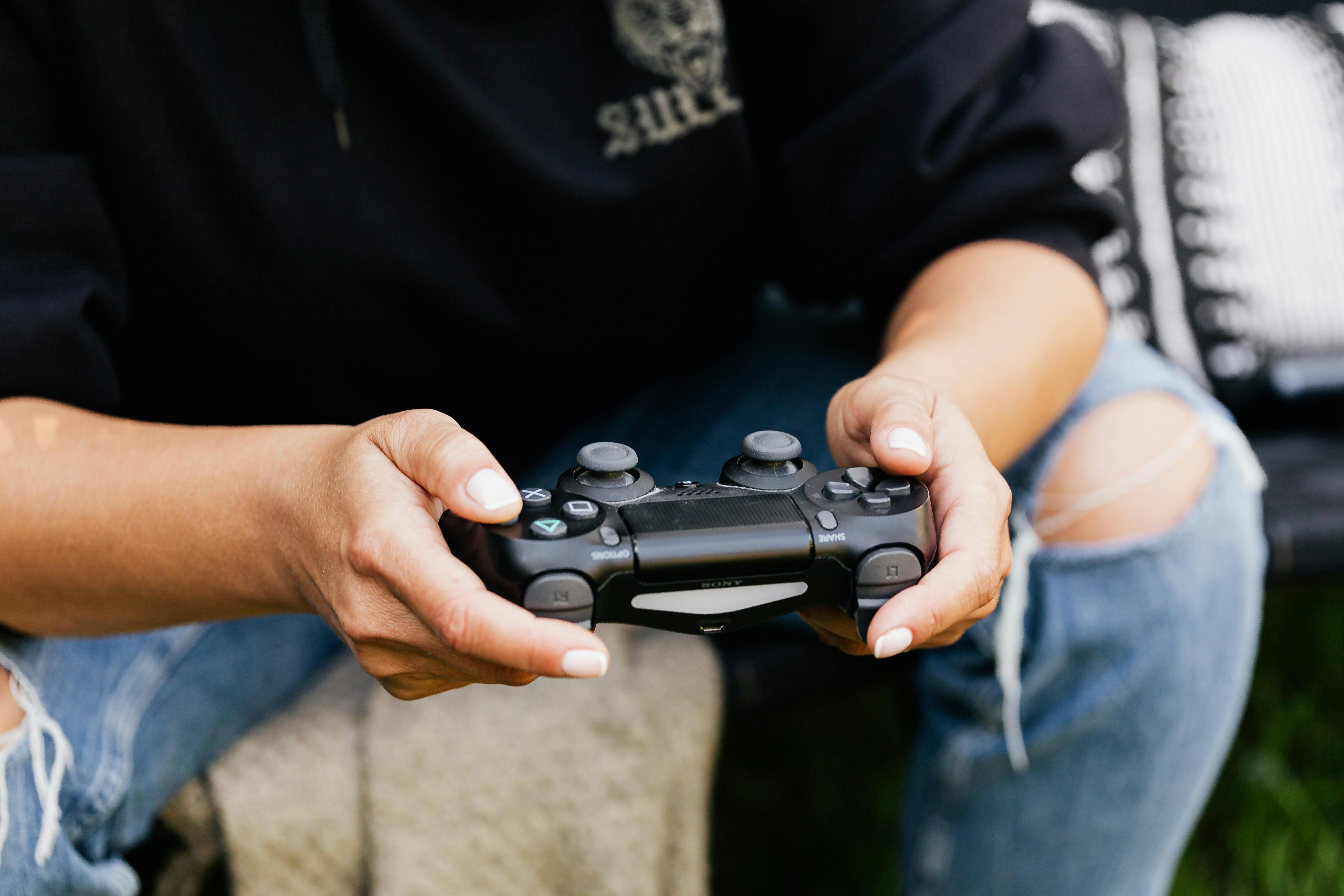
Playable entertainment covers any experience that hands the audience a degree of control over what happens next. It is the difference between watching a chase scene and deciding which turn the character takes. Sometimes the interaction is small, like voting on the outcome of a live broadcast or steering a poll during a sports stream. Sometimes it is the whole point, as with branching stories that let viewers choose a path and live with the consequences. What ties these formats together is agency. The viewer stops being a spectator and becomes, in some modest way, a participant.
This is not limited to one screen or one medium. Streaming platforms have experimented with choose-your-own-adventure films. Musicians stage interactive shows where the crowd shapes the setlist. Even social feeds, with their endless taps and reactions, train people to expect a response to every action. In each case, participation takes the place of passivity.
Where Interaction Already Rules
You can see the shift most clearly in the places where interaction has always been the engine. Video games overtook film and music in sheer revenue years ago, precisely because they put the player in charge rather than in the seat. That instinct has spread outward. Live sports now come wrapped in second-screen apps, real-time stats and prediction games that turn a ninety-minute match into something the viewer helps narrate. Online gaming platforms sit firmly inside this trend too: a site such as Admiral Casino is built entirely around participation rather than observation, where the user makes a choice and sees an immediate result instead of waiting for a story to happen to them.
These examples all run on responsiveness. The entertainment reacts. A decision produces a consequence, and the gap between doing something and seeing it matter shrinks to almost nothing. For an audience used to instant feedback in every other corner of their digital lives, that responsiveness is starting to feel less like a novelty and more like a baseline expectation.

Why the Shift Is Happening
Part of the answer is generational. Anyone under forty has spent their formative years with a controller, a touchscreen or both in hand, and they carry the assumption that media should answer back. The deeper driver, though, is psychological. People tend to value experiences more when they feel some ownership over the outcome, and even a minor choice creates that sense of ownership. Control is satisfying in a way that pure consumption rarely is.
Technology has simply removed the friction. Fast mobile connections, responsive interfaces and real-time data mean a platform can register a tap and react before the moment passes. Industry analysts suggest that interactive formats account for a growing share of time spent inside entertainment apps, though the precise figures vary by source and are best read as directional rather than exact. The direction itself is hard to dispute.
What It Means for Platforms and Audiences
For the companies making this content, the message is clear enough. A story you can only watch is now competing against a story you can touch, and the second one tends to hold attention for longer. Producers are designing for participation from the start, building in moments where the audience can intervene instead of bolting interactivity on as an afterthought.
For audiences, the change is subtler but real. Expectations are recalibrating. A passive experience is no longer the default measure of entertainment; it is one option among many, and often not the preferred one. The remote control was the first small handover of power to the viewer. Almost everything since has pushed in the same direction, toward an audience that wants a hand on the wheel.
Where This Leaves Us
None of this means the passive experience is disappearing. There will always be a place for the film you watch in the dark without lifting a finger. But the center of gravity has moved. The most engaged audiences now reach for things that react to them, and the formats that thrive will be the ones that treat the viewer as a participant rather than a pair of eyes. The screen used to be a window you looked through. Increasingly, it is a door you are invited to walk through, and that small change in posture, from watching to doing, may turn out to define how a generation chooses to be entertained.

This content is brought to you by the FingerLakes1.com Team. Support our mission by visiting www.patreon.com/fl1 or learn how you send us your local content here.