The idea that youth sports are strictly seasonal is fading fast. Across the Finger Lakes, athletes are shifting toward a model built on year-round training, where development happens continuously—not just during a defined season.
This shift is changing everything.
Why seasonal training is no longer enough

In towns like Fairport, Victor, and Canandaigua, athletes are no longer waiting for their season to begin before training.
The old model looked like this:
- Offseason: minimal activity
- Preseason: rebuild fundamentals
- Season: compete
The problem? Too much time was spent catching up instead of improving.
Year-round training eliminates that reset.
Arriving prepared instead of rebuilding
Athletes who train consistently throughout the year:
- Maintain mechanics
- Preserve timing
- Build on existing skills
Instead of using early practices to regain form, they’re refining it from day one.
That creates a measurable advantage.
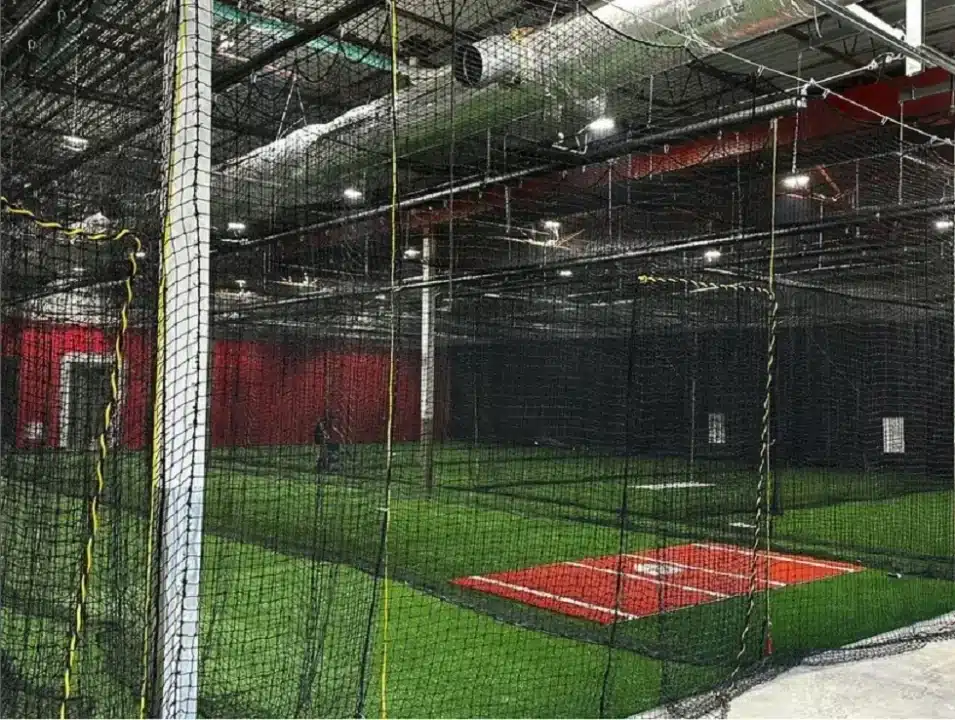
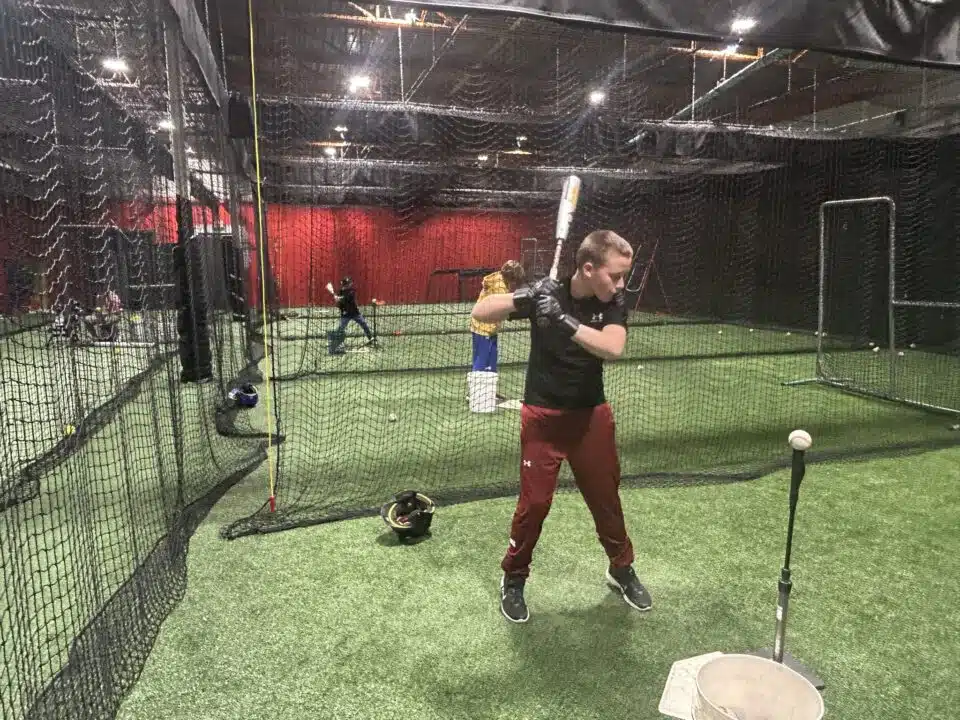
The role of indoor training facilities
In Upstate New York, weather has always been the limiting factor.
Indoor training facilities remove that limitation.
Athletes in Macedon, Penfield, and Farmington now have access to consistent environments where they can train regardless of season. Practice Time Sports in Canandaigua is one example of how year-round access is becoming more available locally.

Efficiency over intensity
A key misconception about year-round training is that it requires constant high-intensity work.
It doesn’t.
The most effective approach focuses on:
- Short, focused sessions
- Skill reinforcement
- Consistent repetition
Even one or two sessions per week can maintain and build skill levels over time.
Long-term development is the real goal
Coaches and parents are increasingly recognizing that development is a multi-year process.
Athletes who improve steadily over time outperform those who rely on short bursts of progress during a season.
Year-round training supports:
- Skill retention
- Progressive improvement
- Confidence building
Smaller communities are catching up
Athletes in places like Naples and Honeoye are also benefiting from increased access to indoor facilities.
What once required long travel is becoming more localized—making consistent training more realistic for more families.
The bottom line
Year-round training is no longer a competitive edge—it’s becoming the expectation.
Athletes who embrace it are more prepared, more confident, and consistently improving throughout the year.

FingerLakes1.com is the region’s leading all-digital news publication. The company was founded in 1998 and has been keeping residents informed for more than two decades. Have a lead? Send it to news@fingerlakes1.com.