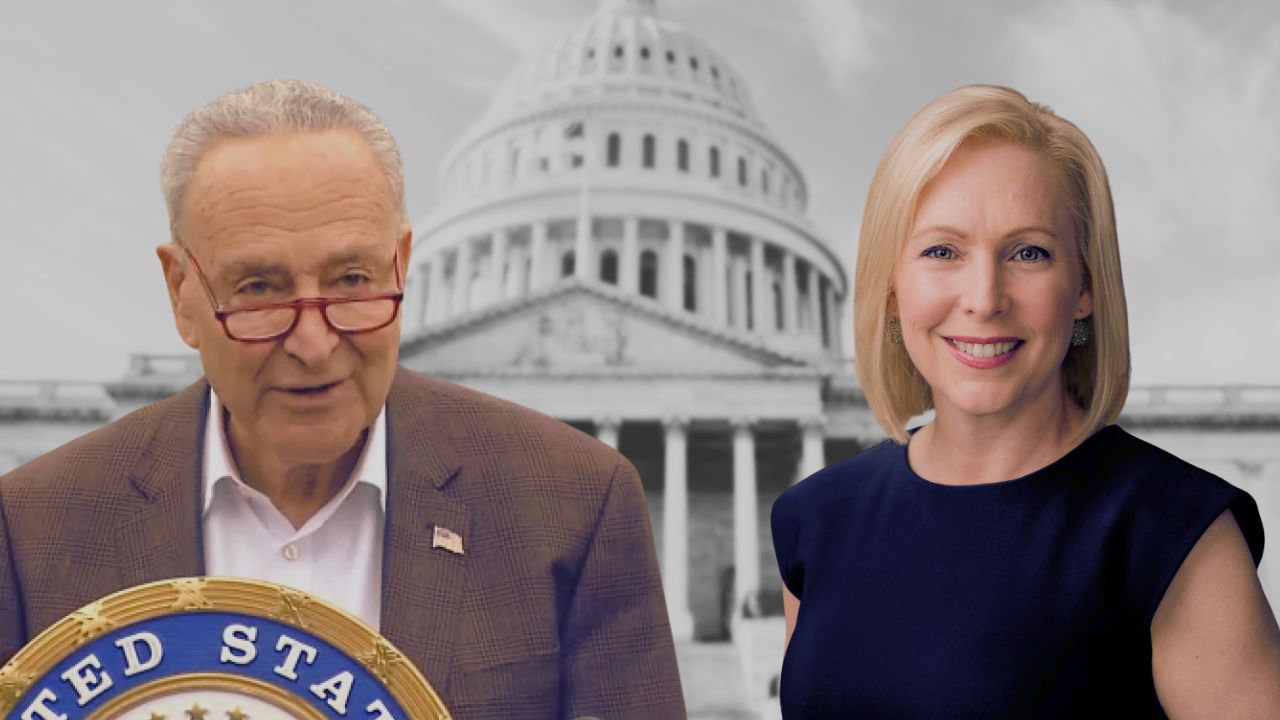
A proposed federal rule change could significantly limit how states and Tribal governments protect their waterways, drawing sharp opposition from U.S. Sen. Kirsten Gillibrand and a group of Senate Democrats.
The Environmental Protection Agency proposal targets Section 401 of the Clean Water Act, a long-standing provision that allows states and Tribes to review and set conditions on federally approved projects that may impact water quality.

Under the proposal, the scope of those reviews would be narrowed, restricting the ability of states and Tribes to regulate impacts from projects like hydropower dams, pipelines and certain wetland developments. Lawmakers say the change could exclude key environmental effects — including water temperature shifts, reduced oxygen levels and altered flow patterns — if they are not tied directly to pollutant discharges.
The proposal comes as more than 400 hydropower dams nationwide are expected to seek relicensing in the next decade. Critics argue that without broader authority under Section 401, states and Tribes may be unable to address the full range of environmental consequences tied to those projects, including harmful algal blooms, habitat disruption and threats to drinking water.
Gillibrand, joined by 10 Senate colleagues, is urging the EPA to abandon the rule, arguing it would undermine the Clean Water Act’s framework of shared federal, state and Tribal oversight.
In a letter to EPA leadership, the senators said the proposal would weaken what they describe as a “core principle” of the law by limiting local authority over water quality decisions. They also raised concerns that the rule would roll back provisions adopted in 2023 that expanded Tribal authority to develop and apply their own water quality standards.
Environmental organizations echoed those concerns, warning the proposal could reduce safeguards for public health and give federal projects more leeway to move forward without local input.
Gillibrand said the rule would make it harder for states and Tribes to address pollution risks and protect water resources for future generations, calling on federal regulators to maintain the current structure that allows local governments a meaningful role in the process.
Make FL1 part of your day.
Local reporting. Useful updates. More ways to stay close to your community.
Go ad-free
Support independent local reporting and enjoy FL1 without display ads.
$4.99 / month
Become a member →Cancel anytime. Third-party media players may contain ads.Get the daily briefing
Start your morning with the headlines that matter across the Finger Lakes.
Find more FL1 on Google
Choose FingerLakes1.com as a preferred source to see more of our reporting in your Google news results.

FingerLakes1.com is the region’s leading all-digital news publication. The company was founded in 1998 and has been keeping residents informed for more than two decades. Have a lead? Send it to news@fingerlakes1.com.