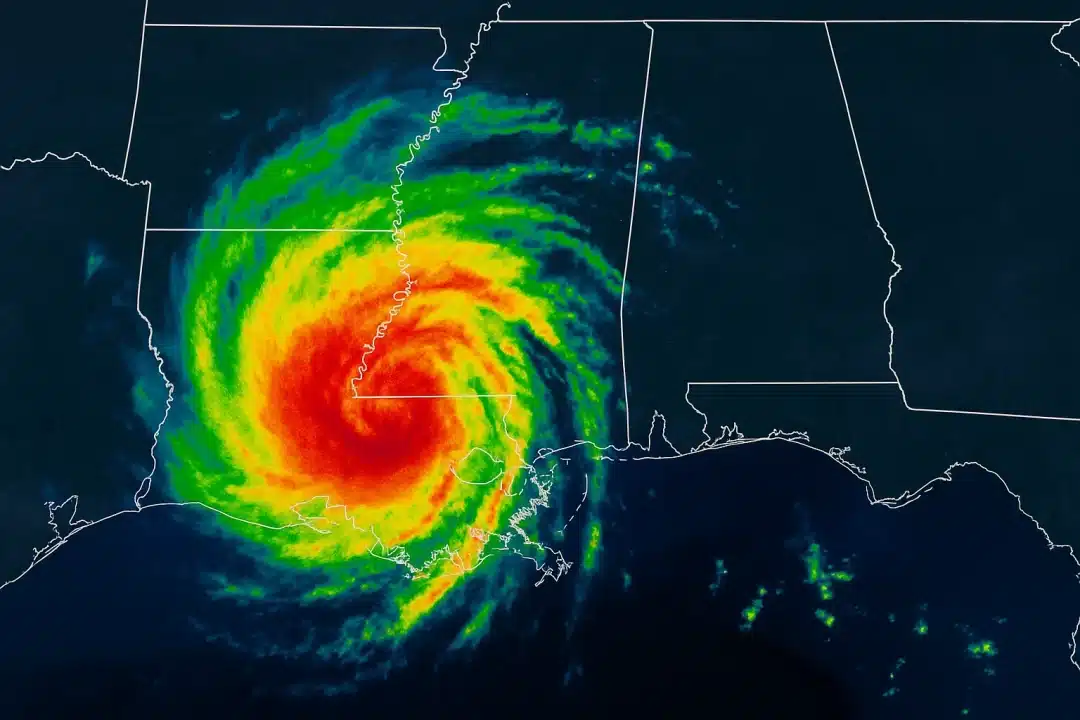
Relocating to Florida’s Suncoast is exciting: year-round warmth, Gulf sunsets, and a vibrant Tampa Bay culture. But if you are coming from a non-coastal state, the reality of hurricane season (June 1–November 30) can feel unfamiliar. Understanding regional risks and building a clear plan are essential parts of responsible homeownership here.
1. Get Oriented: Know Your Local Risks
Hurricane impacts vary block by block. Before the season begins, identify your exposure to both wind and water.
- Check the Tampa flood zone map: Use county or city resources to view the official Tampa flood zone map for your address. Properties in zones AE, VE, or other special flood hazard areas face higher flood risk and may require separate flood insurance.
- Understand evacuation zones: Evacuation zones are different from flood zones. Local governments publish color-coded maps (Zone A, B, C, etc.) that determine who must leave first as storm surge risk rises.
- Confirm construction standards: Ask your inspector or property manager about your home’s age, roof type, window protection, and elevation. Newer homes often meet stricter wind codes, but every structure has vulnerabilities.
2. Build a Practical Hurricane Preparedness Plan
Hurricane preparedness for homeowners is about making decisions early so you are not scrambling when a storm is already in the Gulf.
- Decide when you will evacuate: If you are in an evacuation zone or a manufactured home, plan to leave when local officials first advise it. Choose two destinations: one nearby with friends or family, and a farther inland option.
- Create a communication plan: Share evacuation locations and contact numbers with relatives out of state. Designate one person as your “check-in” contact after the storm.
- Prepare pets: Keep vaccination records, a carrier, and a small go-bag with food and medications handy. Not all shelters accept animals.
3. Stock Smart, Not Scared
Instead of panic buying when a storm is approaching, gradually assemble a core hurricane kit at the start of the season.

- At least three days of water (one gallon per person per day) and nonperishable food.
- Prescription medications and basic first-aid supplies.
- Battery-powered or rechargeable lanterns and a NOAA weather radio.
- Portable phone chargers and backup power banks.
- Copies of insurance policies, IDs, and deeds in a waterproof pouch.
Homeowners should also keep basic tools on hand: tarps, plastic sheeting, duct tape, and work gloves for light, temporary repairs after the storm passes.
4. Harden Your Home Before the First Storm
Many protective steps are easiest to complete long before a hurricane watch is issued.
- Protect openings: Install permanent storm shutters or keep pre-fitted plywood labeled for each window. If your home has impact-rated glass, confirm that documentation is on file for insurance purposes.
- Secure your roof and yard: Schedule regular roof inspections, trim trees away from the structure, and anchor loose outdoor items—grills, patio furniture, and decor can become dangerous projectiles in strong winds.
- Check drainage: Clean gutters and downspouts, and make sure nearby storm drains are free of debris so heavy rain can flow away from your home.
- Review insurance annually: Standard homeowners policies typically do not include flood coverage. Evaluate separate flood insurance based on what you learn from the Tampa flood zone map and your lender’s requirements.
5. Special Considerations When Moving to Tampa in Summer
If you are moving to Tampa in summer, you will arrive as hurricane season is already underway. That calls for a slightly different strategy.
- Time-sensitive utilities: Arrange power, water, and internet service well before your move date so you are not activating accounts just as a storm is forming.
- Unpack with storms in mind: Prioritize important documents, medications, flashlights, and basic cookware so they are accessible even if the power goes out. Avoid stacking heavy boxes near windows or doors, where wind or water intrusion is most likely.
- Ask local experts: When coordinating with Tampa movers or property managers, ask about typical flooding on your street, how your neighborhood handled previous storms, and where the nearest evacuation routes are.
6. Stay Informed and Use Local Resources
Reliable information is one of your most valuable preparedness tools.
- Sign up for county emergency alerts via text or email.
- Download reputable weather apps and enable push notifications for tropical systems.
- Follow local emergency management and your utility providers on social media for real-time updates on outages, closures, and recovery resources.
Florida hurricane season tips ultimately revolve around one theme: preparation replaces fear with confidence. By understanding your risk, strengthening your home, and building a realistic plan, you can enjoy life on the Suncoast while respecting the storms that occasionally pass through.

This content is brought to you by the FingerLakes1.com Team. Support our mission by visiting www.patreon.com/fl1 or learn how you send us your local content here.